
President Donald Trump has signed a $75 billion deal with Russian President Vladimir Putin to increase diesel supplies to the United States and international markets in an effort to lower fuel prices. But President Volodymyr Zelenskyy is speaking out today, warning Russia: If it can get relief from restrictions on Russian energy exports, then Moscow will be able to fund its war against Ukraine. So the deal is a radical departure from Washington as a nation and leaves domestic economic priorities and international security commitments at odds.
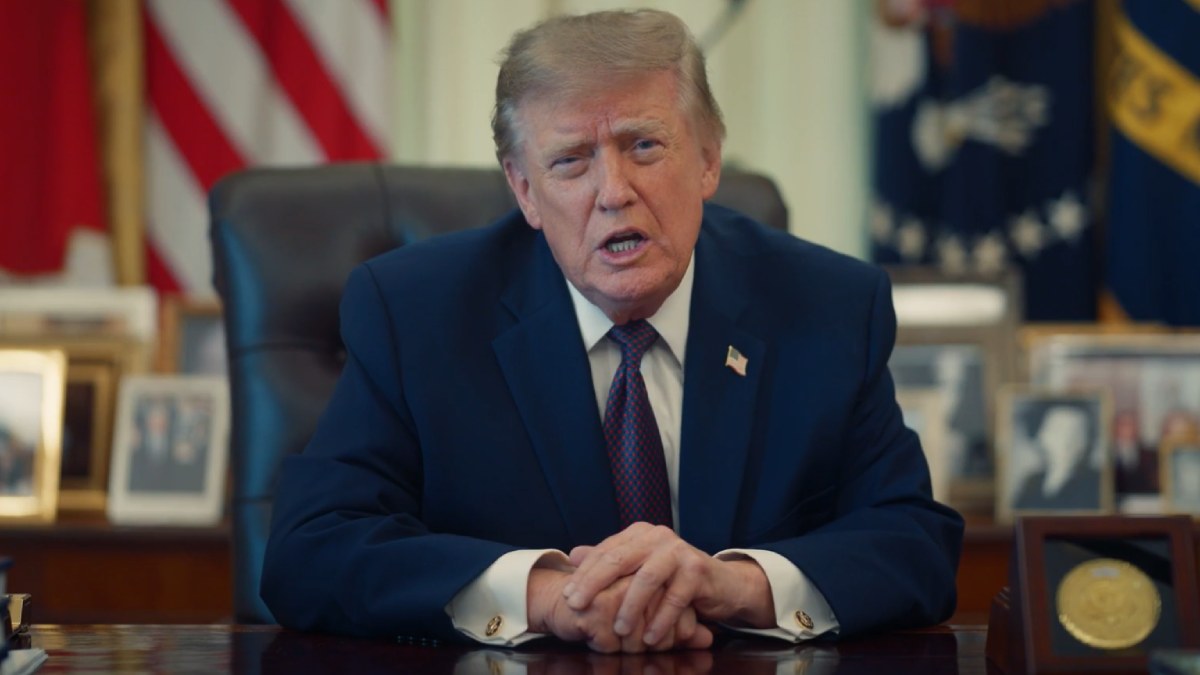
According to Trump’s announcement, Russia will immediately supply more than 300,000 metric tonnes of diesel, followed by another 500,000 tonnes in November and another 1 million tonnes in 2026 (more than 300,000 metric tonnes per month). Trump also said more supplies might follow. The deal was announced after the presidents had a telephone talk with Putin, and the two leaders then discussed issues of global interest, including Ukraine’s conflict.
The deal comes at a time when diesel prices in the United States have been rising sharply as a result of disruptions in global energy markets. Iran’s dispute with the government, instability in energy supply lines and damage to energy infrastructure have put pressure on fuel supplies and prices.
Diesel is one of the most important factors for the American economy as it powers the bulk of freight transport, agricultural machinery and industrial equipment. Higher diesel costs can increase the cost of moving goods, producing food and running businesses and add to the pressure on consumers if they are paying higher prices for everyday goods. The Trump administration is under pressure to improve supply and control inflation.
In another move, the US Treasury Department has issued a temporary general licence allowing Russian diesel supplies to enter the world market despite sanctions in place. The authorisation marks a departure from previous efforts by Washington to curb Russian energy revenues after Moscow invaded Ukraine in 2022.

Those restrictions were intended to curtail the money available to the Russian government for its war. Critics say allowing Russian petroleum products to sell more easily could undermine economic pressure intended at Moscow to stop the war. The temporary authorisation is to be in place until April 2027, but the extent of the licence and the transactions that it covers are still in question.
Ukraine was aggrieved by the announcement. Zelenskyy has publicly criticized the decision for being weak in the face of economic sanctions relief without a long-term de-escalation agreement in the war because without the long-term de-escalation agreement, it would be in the best of the war for Russia, he said. He warned that oil money from petroleum sales would allow Moscow to continue its military operations and prolong the conflict.
Kyiv has said economic pressure on Russia should not be relaxed without meaningful steps towards peace and a decrease in fighting and a reduction in hostilities. The Ukrainian president’s response has been to say that commercial agreements with Moscow are worrying that commercial deals with Moscow will undermine efforts to hold Russia accountable for its invasion.
The timing has exacerbated the divide. The news came as Ukrainian, American and European officials were in talks with officials across the continent in an attempt to find a diplomatic solution to the war. Some critics say easing restrictions on Russian fuel exports during that time period could hurt Ukraine.
But some American lawmakers say it is not the right thing to do to give Russia back the revenue of its energy revenues and would be a message to Moscow in the eyes of others. But those who would like to see more fuel supplies will argue that governments have to respond to the immediate economic pressure of households and businesses. The dispute is a case in point of how energy affordability and foreign policy objectives often get in the way of the price equation.
But even as Trump professes the certainty that the more diesel will bring prices down quickly, energy analysts have debated whether the price gain from increased domestic supplies is in fact the sort of benefit that the economy actually will be able to absorb. The diesel could provide a little relief to a tighter market and alleviate some of the other forces driving prices higher but that may not be enough to reverse the larger forces driving prices higher.
Global refining capacity, transportation costs, geopolitical instability and disruptions to supply routes affect the final price to consumers. An increase in Russian exports has no correlation with a corresponding increase in American consumers’ fuel consumption, especially if the demand for Russian exports is shifted from other markets. Diesel futures fell after the announcement a sign of increased demand for diesel (and not a sign of a slower price reduction in retail prices) but no longer all that much of that will be true.
The agreement has great geopolitical implications for US-Russia relations. Trump’s decision shows his administration’s willingness to pursue direct economic deals with Moscow in an attempt to address domestic concerns. But the move could complicate relations with Ukraine and other American partners who view sanctions as a key tool for limiting Russia’s ability to finance the war. If this agreement leads to wider cooperation or to further diplomatic friction, the supply arrangement will depend on whether it is implemented and whether it is accompanied by meaningful progress towards peace.
In the immediate sense, for American consumers, the question is how diesel will be cheaper at fuel stations and more cost-effective to transport. For Ukraine, the key question is whether the deal provides Russia with more money (at least at this stage), or whether there is still conflict going on.
While the agreement might make availability of oil more available, its wider impact on the economy is not clear. This is a new discussion on energy security and sanctions policy as well as the longer-term effects of lower fuel prices (at least in the present context of an international war) in a global context.
The market and governments will be watching the actual amount of diesel supplied and the timing of the temporary sanctions authorisation and if the status of sanctions, and after that, the timing of the sanctions authorisation will largely depend on the actual volume of diesel that was delivered, as well as what happens to the situation and the outcome of the sanctions authorisation, and any diplomatic developments.
The agreement might at least marginally alleviate pressure on Ukraine’s current oil supply but it also puts fresh strain on Washington’s relationship with Kyiv. The success of the deal will be measured not only in terms of the effect of the deal on American fuel prices and will be determined by the economic impact and how successful it will be in terms of the economic impact and how it will affect relations with Ukraine in the context of the Russia-Ukraine war and how well Ukraine will be able to end the war.






Comments
Leave a Comment