
The Supreme Court of India has rejected a plea for unbridled freedom for the Delhi Police to deal with protesters and said the future of young students and their families needs to be taken into account in deciding how protest-related cases are handled. Chief Justice Surya Kant of India said the court did not want to see young people get entangled in lengthy legal proceedings for their participation in demonstrations.
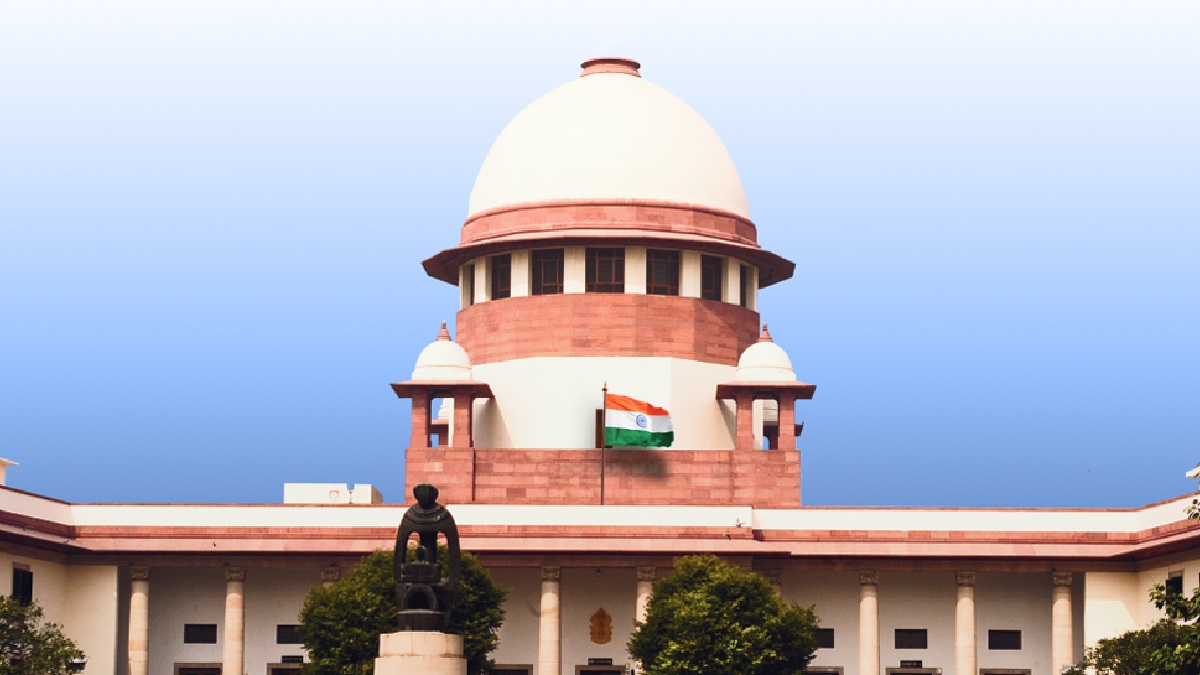
The petition challenged the Supreme Court’s earlier order to quash First Information Reports (FIRs) relating to protests over alleged irregularities in the NEET-UG 2026 examination. Article 142 of the Constitution gives the Court the power to issue orders necessary to do complete justice in a case. That was a protection for students who were participating in the protests and not to take action against those who were found guilty of serious crimes.
The new hearing brought the issue back to the fore and asked if the Supreme Court should have used its extraordinary constitutional powers to quash the FIRs. But the bench maintained that the protests and the future prospect of young participants were important considerations.
CJI Surya Kant Says Students’ Futures Must Be Protected
The court heard in principle from Chief Justice Surya Kant on the age of so many protesters and what would happen if they remained in jail for years. He said that the immediate legal concerns were the most important, but so too are the implications for students and their families.
The CJI said: “There’s no guarantee we keep passing 100% correct orders,” he said in response to the challenge to the earlier ruling. He also questioned the argument that the court should not have used Article 142 to quash the FIRs.
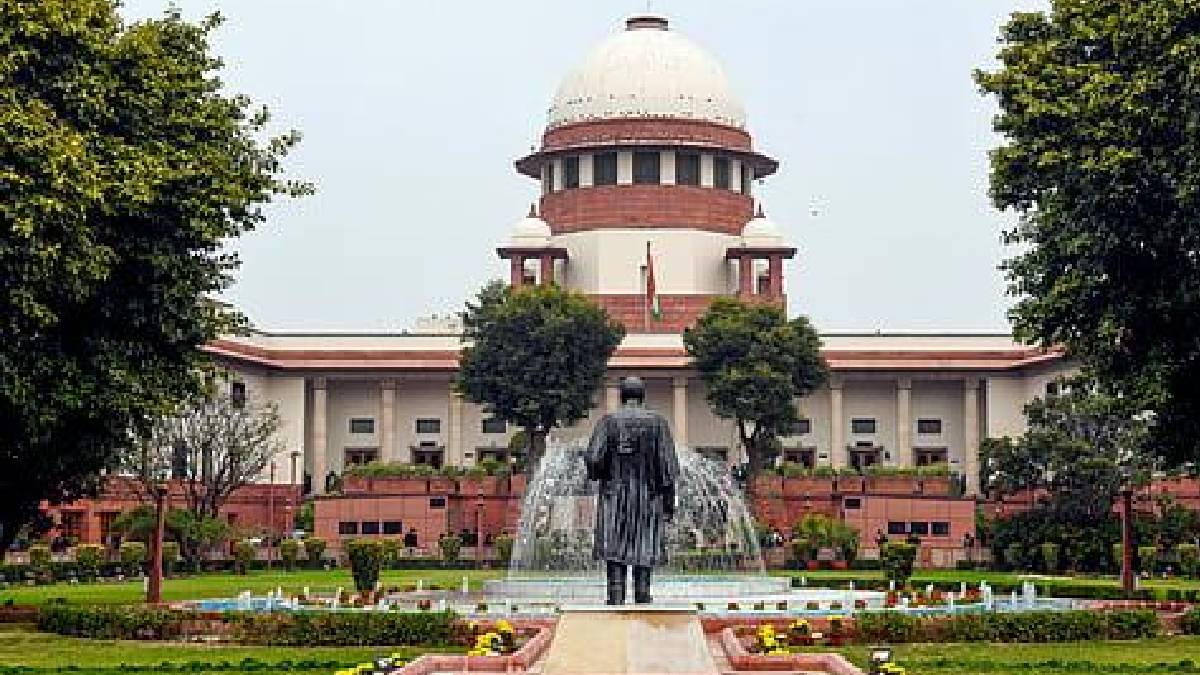
The Chief Justice pointed out that long litigation could affect students’ education and future opportunities. He also mentioned a previous case that involved protests in Himachal Pradesh and the court had considered the circumstances and the fact that the participants were not necessarily hardened criminals.
The comments were in line with the court’s judgment on the distinction between participation in a protest and serious criminal conduct. The earlier order was not intended to give blanket immunity to anyone accused of a grave offence.
At that time, however, the Supreme Court had said its relief would not extend to people charged with serious crimes or to people with serious criminal history.
Petitioner Questions Use Of Article 142
L Ramanathan made the plea and advocate Mathew Nedumpara represented him. Nedumpara said the Supreme Court should not have quashed the FIRs by using Article 142 and that the police should have been given more freedom to maintain law and order.
He also argued that the court should consider the concerns of what he called the silent majority. The police authorities should be able to respond to any purported violations at demonstrations without the court intervening to cancel the cases, he said.
The petition also sought recognition of the police as an independent and sovereign authority in the maintenance of law and order, in an argument that compared its position with that of the judiciary.
The bench rejected the plea, but the dismissal should not be interpreted as a ruling that police powers are unlimited or that every action taken during a protest is beyond judicial scrutiny. The issue before the court was the challenge to its earlier decision on the protest-related FIRs.
The main batch of petitions in the wider matter remains to be heard, according to the information provided about the proceedings.
Background: Supreme Court Had Quashed FIRs Against Student Protesters
The dispute is rooted in protests held between July 20 and July 25, 2026, over irregularities in the NEET-UG examination. Delhi and other parts of the country had demonstrations and students were protesting the examination and demanding accountability.
Police registered FIRs in connection with the demonstrations, including cases of violence and damage. This matter was heard in the Supreme Court, where the Centre and several states sought relief in the cases registered against protesters.
On September 1, the Supreme Court invoked Article 142 and quashed the relevant FIRs in view of the assurance of the authorities and the need to protect young people who had joined the protests in good faith. The court also said that relief would not cover individuals who are charged with serious criminal offences.
The earlier decision was a watershed for the legal response to the demonstrations. It attempted to distinguish between peaceful participation in a protest and individual responsibility for alleged criminal acts.
Serious Offences Remain Outside The Earlier Relief
An important element of the Supreme Court's previous order was the exception for individuals with serious criminal antecedents or those accused of grave offences. The Delhi Police had sought permission to pursue a separate case concerning 2,873 individuals it said had serious criminal backgrounds.
So the court's approach did not prevent all investigations related to the protests. Rather, it allowed the broader FIRs covered by the order to be quashed but retained a separate route for action involving the identified group.
This distinction is still at the heart of the dispute. The petitioner wanted more police discretion in the process and the court pointed out it had the effect of long proceedings for young students, which should be handled as relevant to the case on the basis of the individual case and should be determined in line with the case.
The new rejection leaves the earlier order in place and the other batch of petitions remains pending. Further discussions may also help to clarify the legal issues of the parties.
Now Chief Justice Surya Kant’s remarks only reinforce the court’s position that students shouldn’t face years of litigation just because of demonstrations. At the same time, the court has maintained that earlier protection does not extend to those accused of serious criminal offences.





Comments
Leave a Comment