
Delhi’s air quality deteriorated on Wednesday, October 21 as smog returned to the capital and the Air Quality Index (AQI) fell into ‘poor’ status again. The development has raised fears about another season of hazardous air pollution as temperatures fall and winter approaches.
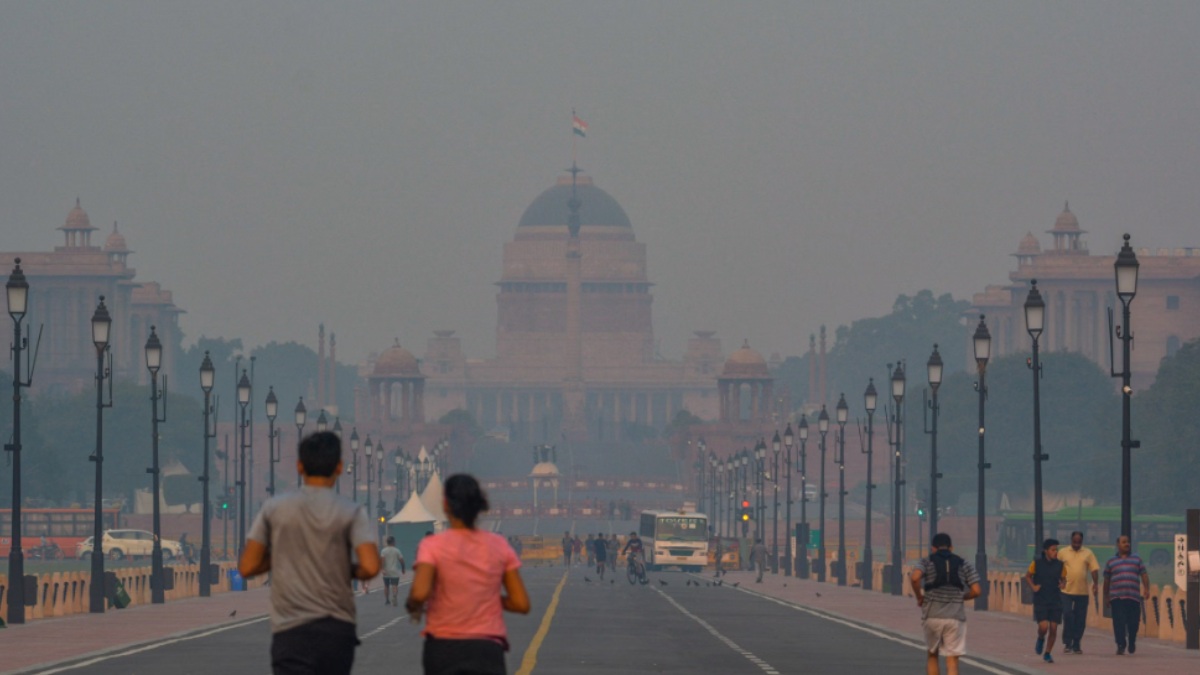
According to official monitoring data, Delhi’s AQI was 227 at 7:05 am on Wednesday. This was the city’s first overall ‘poor’ air quality reading of the season after pollution levels were much of the moderate category through much of October.
And the worsening conditions have concerned residents, especially children, older adults and respiratory or heart patients who may be more vulnerable to polluted air.
Delhi AQI In Poor Category
The CPCB publishes air quality on an AQI scale from 0 to 500. Delhi’s reading of 227 falls in the poor category; long exposure to the current air conditions can cause breathing discomfort especially for sensitive groups.
The AQI categories are:
- Good: 0 to 50
- Satisfactory: 51 to 100
- Moderate: 101 to 200
- Poor: 201 to 300
- Very Poor: 301 to 400
- Severe: 401 to 500
The deterioration follows a rise in pollution levels over the past several days. Delhi had an AQI of 139 on October 19, and 179 on October 20. The increase above 200 represents a new deterioration of the city’s air quality.
Some monitoring stations also reported worse conditions than the citywide average, which is also a sign that pollution levels can vary considerably between neighborhoods.
Why Is Delhi’s Air Quality Worsening?
Changing weather conditions are among the factors leading to the deterioration. Low temperatures and slower winds can slow down the dispersion of the pollutants, so they can be more concentrated closer to the ground.
As winter approaches, these conditions can make it harder for polluted air to clear. Emissions from vehicles, construction activities, industries and other local sources still contribute to the overall pollution burden.
Festive events might also contribute to the problem. Dussehra celebrations and emissions have coincided with the latest deterioration, although weather conditions and several pollution sources collectively affect the AQI.
Stubble Burning Raises Fresh Concerns
Farm fires in neighbouring agricultural states are another concern as Delhi enters the winter pollution season.
The contribution of stubble burning to Delhi’s PM2.5 pollution reached 4.1% on October 20, the highest level recorded so far this season. The contribution had been below 1% earlier in the season, but was expected to increase in the next few days.
PM2.5 refers to fine particles that can penetrate deep into the lungs and may enter the bloodstream. Exposure to high concentrations can aggravate respiratory problems and increase risks to cardiovascular health.
The impact of farm fires on Delhi's air is also influenced by the number and location of fires, wind direction and speed, and the local weather. Local emissions are still important even when the share of agricultural burning changes.
Poor Air Quality Expected to Continue
Air quality forecasts issued ahead of Wednesday indicated that Delhi could remain in the poor category through October 23, with concerns extending into the following days.
The outlook could change with changing weather and emissions. But the early deterioration is a warning that pollution problems in the capital will be mounting again in the winter months.
The severity and duration of pollution episodes will depend on local emissions, regional pollution sources and meteorological conditions.
What Residents Can Do as Pollution Rises
As air quality worsens, residents can take practical steps to reduce exposure, especially during periods of elevated pollution.
- Check official AQI updates before planning outdoor activities.
- When pollution levels are high, stop heavy outdoor exercise for long periods of time and reduce outdoor exercise.
- Keep children, older adults and people with asthma or heart and lung disease away from heavily polluted outdoor environments where possible.
- If outdoor exposure is unavoidable, consider a well-fitting particulate respirator such as an N95, rather than a loose-fitting cloth mask.
- If pollution is causing coughing, wheezing, chest pain or breathing difficulties, follow medical advice.
People who have severe breathlessness or chest pain should seek urgent medical attention.
The latest AQI reading from Delhi highlights that air pollution can be an issue before the winter season begins. With changing weather, local emissions and seasonal farm fires all influencing conditions, sustained pollution control measures will be necessary to prevent further degradation.





Comments
Leave a Comment