
Delhi’s air quality has deteriorated significantly with its Air Quality Index (AQI) rising from 65 to 216 in one day.
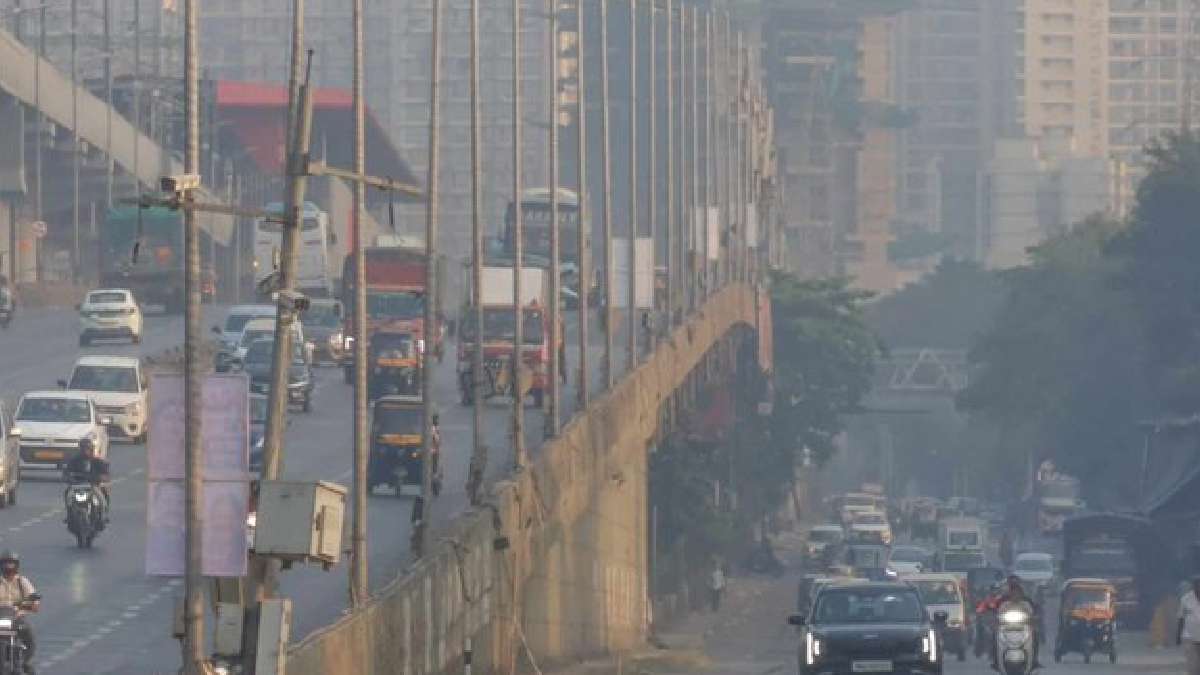
The pollution was so bad the capital city had to be warned that pollution will be worse in the near future as the city goes into winter when weather conditions are not optimal and pollution will be close to the ground.
An AQI of 65 is satisfactory under India’s air quality classification, while 216 is considered poor.
That’s a huge drop in air quality and is bad news for people who are sensitive to pollution, like those with respiratory or heart problems.
Why did Delhi’s AQI rise so sharply
Several factors could be responsible for the sudden increase in pollution levels in Delhi.
Weather conditions also affect how quickly pollutants can disperse. When wind speeds are reduced, smoke, dust and emissions from vehicles and industries build up and are not swept away.
Temperature and atmospheric stability affect pollution levels. When air near the ground doesn’t mix well with air above, pollutants are concentrated closer to the ground.
These conditions are likely to become more common as winter approaches, and the exact reasons for this particular daily increase would need to be verified based on weather and monitoring information.
Vehicle emissions and construction dust
Vehicular emissions continue to be a major source of pollution in Delhi. Cars, buses, trucks and two-wheelers expel pollutants that can be harmful to air quality. Heavy traffic, particularly in busy areas during peak hours, also creates pollution.
Construction activity and road dust can also contribute to airborne particulate matter.
Dust from building sites, uncovered materials and roads can exacerbate these conditions, especially in dry weather and weak winds that prevent particles from dispersing.
Industrial emissions, diesel generators and other combustion sources can also affect local air quality. The relative contribution of each source depends on weather, location and intensity of activity.
Could stubble burning make pollution worse
Agricultural residue burning in neighbouring states could also contribute during the post-monsoon season and winter. If wind conditions are favourable, smoke can come into Delhi and contribute to pollution in the city.
But stubble burning will not be the cause of a single-day AQI spike. To determine its contribution we need information about satellite-detected fires, wind direction, pollutant measurements and official source-apportionment assessments.
Why could pollution worsen in the coming days
Delhi’s air quality could further deteriorate if wind speeds remain low, atmospheric conditions limit pollutant dispersion or other pollution sources become active. As winter settles in this will likely become more common as well.
The outlook will depend on local weather forecasts, emissions and regional pollution transport. A single AQI reading cannot determine if pollution will continue to rise, so residents should follow up with official monitoring agencies.
What does an AQI of 216 mean
An AQI of 216 falls into the poor category according to India’s Central Pollution Control Board classification of air quality.
Exposure to air in this category can cause breathing discomfort for persons with lung or heart disease and may affect other sensitive individuals.
Residents can reduce exposure by not doing vigorous outdoor exercise when air quality is poor, checking local AQI readings before going outdoors and following health advisories. People who experience breathing difficulties should seek medical care.
Delhi’s sudden AQI increase emphasizes how quickly air quality can change when emissions combine with adverse weather.
Whether pollution worsens further will depend on the weather in the next few days and the effectiveness of measures to manage emissions and dust.






Comments
Leave a Comment