
Delhi will introduce stricter vehicle entry restrictions from November 1, 2026 under the revised GRAP (Graded Response Action Plan) as authorities step up efforts to control winter air pollution in the national capital.
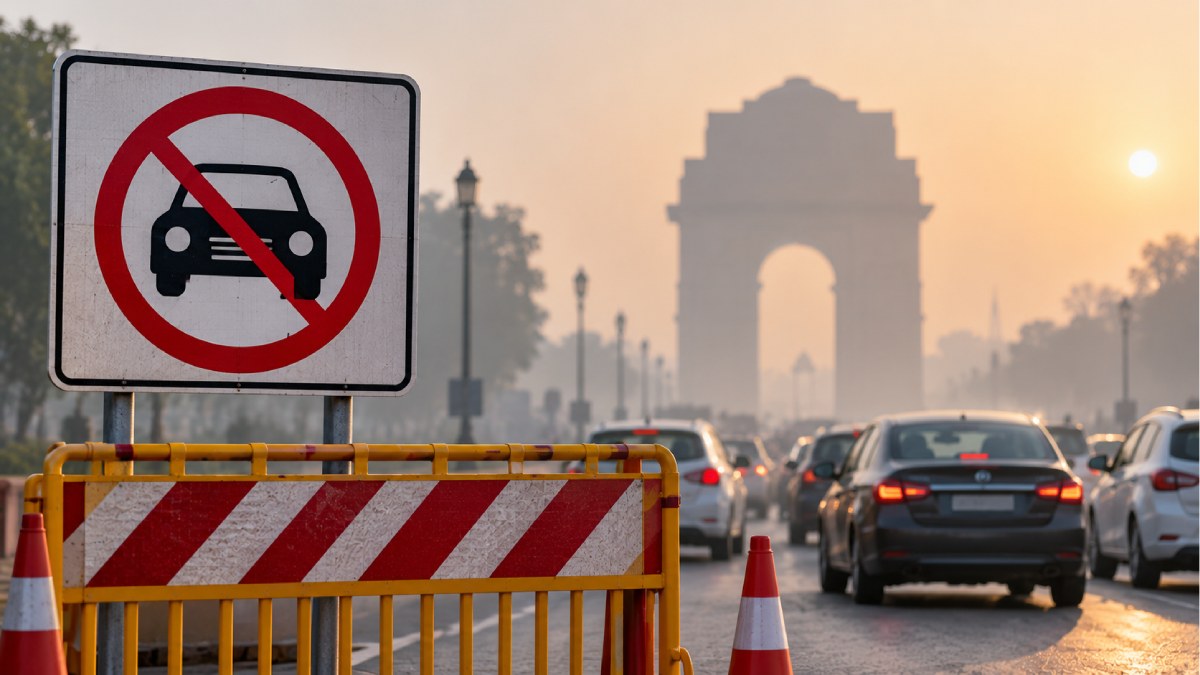
The Delhi Traffic Police has asked motorists to check whether their vehicle meets emission standards before travelling to the city as restrictions will be imposed on certain vehicles which do not meet BS-VI emission norms, vehicles without PUCCs (Pollution Under Control Certificates) and some categories of commercial vehicles.
The measures aim to reduce vehicle emissions and movement of highly polluting vehicles because air quality is a major concern during winter months.
Which Vehicles Will Be Allowed to Enter Delhi?
The Delhi Traffic Police advisory said the following categories will be allowed entry into the national capital “subject to regulations”:
- BS-VI vehicles: Vehicles with BS-VI emission standards will be allowed.
- CNG vehicles: CNG-powered vehicles will be permitted under the exemptions.
- Electric vehicles: Electric vehicles will be allowed.
- Exempted vehicles: Emergency and other officially exempted vehicles will be permitted under the rules applicable to them.
Motorists should also make sure that their vehicles have valid pollution certificates wherever required.
Which Vehicles Will Face Entry Restrictions?
The new measures list several categories of vehicles which could be restricted at Delhi’s entry points.
- Vehicles below BS-VI: Vehicles not meeting BS-VI emission norms will be restricted under the entry rules applicable to them. These restrictions are more so for vehicles registered outside Delhi.
- Vehicles without valid PUCC: Vehicles without a valid Pollution Under Control Certificate will be subject to enforcement action under the relevant regulations.
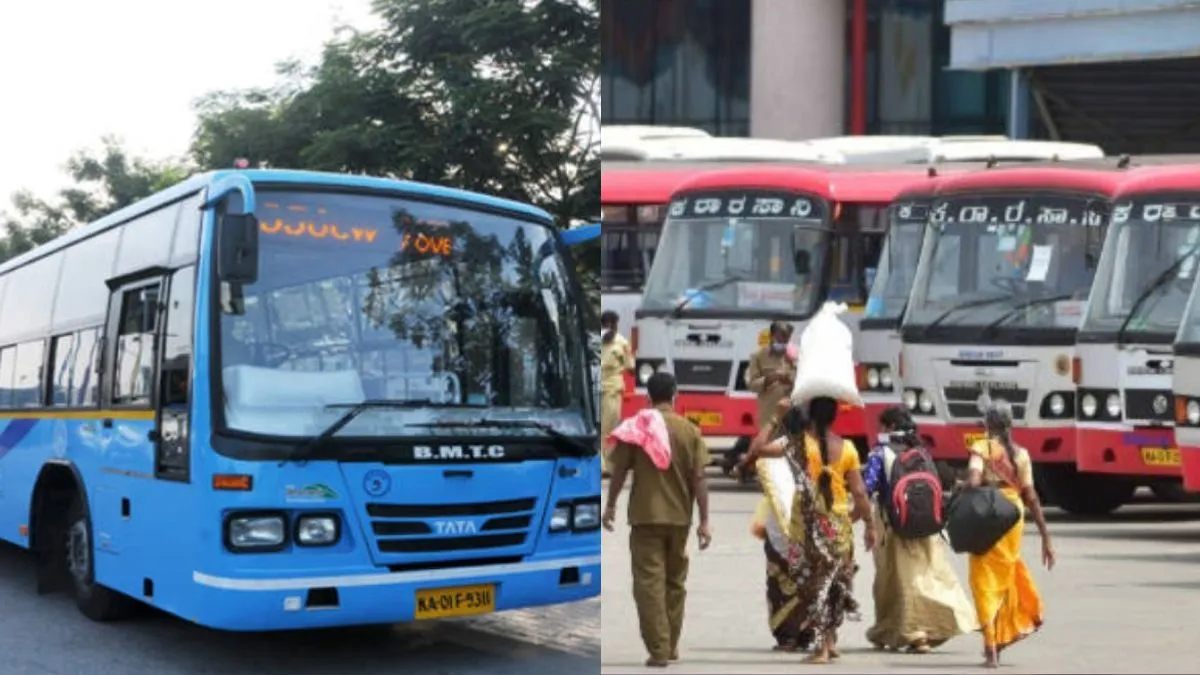
- Non-compliant interstate buses: Interstate buses that do not comply with emission requirements will also be restricted.
- Trucks not going to Delhi: Trucks passing through the capital without Delhi as their destination will have to use peripheral expressways rather than enter city.
Tractors and jugaad vehicles: These vehicle categories will also be subject to restrictions wherever applicable under the revised rules.
The traffic police have advised commuters and commercial vehicle operators to check eligibility before starting their journeys.
New Rules for Vehicles Registered Outside Delhi
Vehicles registered outside Delhi will have special restrictions under the new pollution control framework.
As part of the Delhi government’s winter pollution measures non-Delhi registered vehicles (which do not comply with BS-VI emission standards) will not be allowed to enter the capital between November 1, 2026 and January 31, 2027.
CNG and electric vehicles are among those exempt from this particular restriction as well as emergency and other essential vehicles covered by exemptions.
The restrictions are designed to prevent older and dirtier vehicles from adding to the capital’s emissions during the winter pollution season.
Vehicle owners coming from neighbouring states should check the latest official advisories before entering Delhi (especially if they own older diesel or petrol cars).
What Is the Revised GRAP and Why Has It Changed?
The Graded Response Action Plan is a pollution-control framework that is implemented across Delhi-NCR by CAQM (Commission for Air Quality Management).
It divides pollution-control measures into four stages according to the severity of air pollution:
- Stage I: Poor air quality.
- Stage II: Very poor air quality.
- Stage III: Severe air quality.
- Stage IV: Severe-plus air quality.
Each stage has additional restrictions and preventive measures depending on pollution levels.
On September 29, 2026 CAQM approved changes to the existing GRAP schedule. Restrictions on diesel generator sets and non-compliant buses were moved from Stage II to I.
The commission also imposed restrictions on certain BS-III petrol and BS-IV diesel light motor vehicles in Sonipat as well as Gurugram, Faridabad, Ghaziabad and Gautam Budh Nagar.
The new schedule has 25 actions under Stage I, eight under Stage II, 10 under Stage III and five under Stage IV so the total is 48 actions.
These measures are intended to strengthen pollution control and enforcement in the National Capital Region.
Delhi's Wider Winter Pollution Control Measures
Vehicle restrictions are part of a broader winter pollution management framework that the Delhi government has put in place.
The permanent Winter Pollution Master Plan will be in force every year from 1 November to 28 February. It brings together several pollution control measures into one framework.
Other measures include:
- PUCC enforcement: Vehicles without valid pollution certificates will not be given fuel at petrol pumps, CNG stations and LPG stations in Delhi.
- Higher parking charges: Parking charges at authorised facilities will be doubled from November 1 to February 28.
- Work-from-home measures: Fifty per cent of employees in government and private offices will work from home on November 1 to January 31 under the announced framework.
- Construction restrictions: demolition and open dust-generating construction will continue to be prohibited during the winter months (with exceptions for essential public infrastructure projects).
- Dust-control measures: Large commercial buildings and major construction sites will have to install anti-smog guns or mist systems.
These measures tackle pollution from traffic, construction, road dust and industrial activity.
What Should Motorists Do Before Entering Delhi?
Motorists coming to Delhi from neighbouring states should check their vehicle emission category and PUCC is valid.
Owners of older petrol and diesel vehicles should be aware of restrictions on vehicles registered outside Delhi. Operators of commercial vehicles should check whether their vehicles fall under the permitted categories as well.
The Delhi Traffic Police has given helpline numbers for assistance:
- 011-25844444
- 1095
Commuters should follow official traffic police updates and check exemptions available before travelling.
Delhi Steps Up Preparations for Winter Pollution
The November 1 restrictions are part of Delhi’s overall strategy to deal with seasonal air pollution. Vehicle emissions are one factor but construction dust, industrial activity, waste burning and weather conditions also influence the quality of Delhi’s air.
The revised GRAP framework and permanent Winter Pollution Master Plan aim to strengthen enforcement and introduce preventive measures before pollution levels become more severe.
For motorists, knowing the eligibility for new vehicle will be important to avoid inconvenience, penalties or denial of entry into national capital.


Comments