
If you’re planning to drive to Delhi — check if your car, bike or commercial vehicle meets the entry requirement now. Delhi has imposed stricter vehicle-entry restrictions from November 1 (GRAP revised) as part of its efforts to curb rising air pollution under the new Graded Response Action Plan (GRAP).
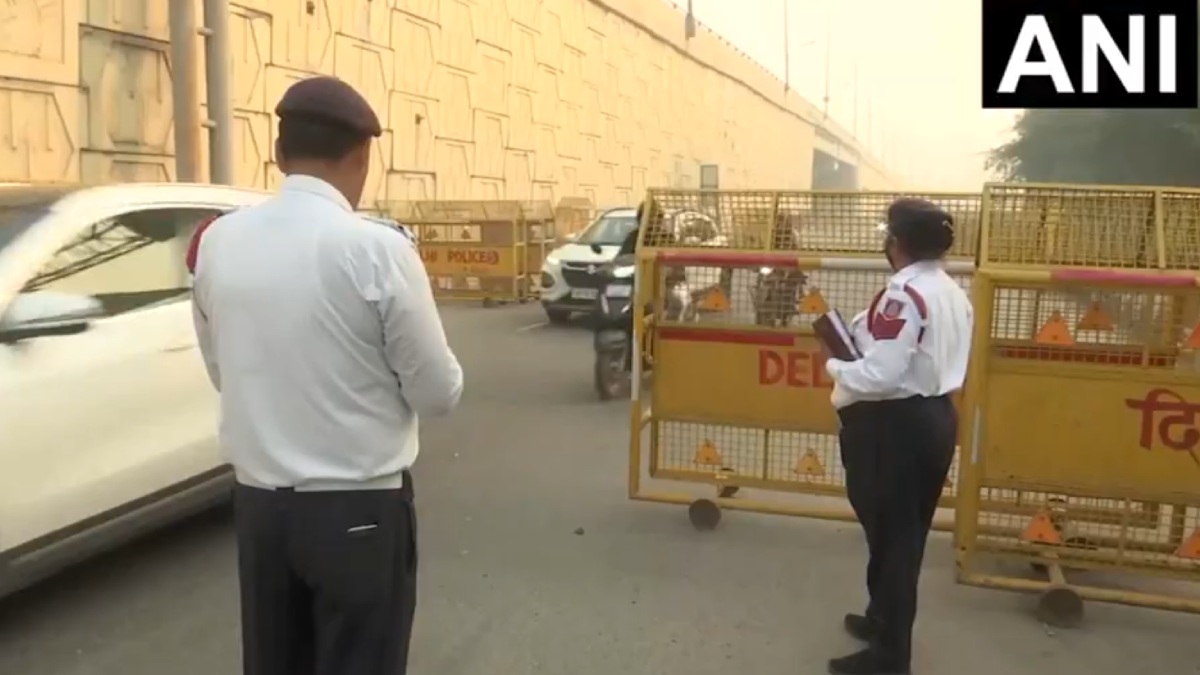
The restrictions are important for people travelling from neighbouring cities like Noida, Gurugram and Ghaziabad. Petrol and diesel vehicles not registered in Delhi which do not meet BS-VI emission standards will not be allowed into the city till January 31, 2027.
Before you start your journey check your vehicle’s emission category and Pollution Under Control Certificate (PUCC) to avoid penalties and inconvenience.
Step 1: Check Your Vehicle's BS-VI Emission Standard
The first thing vehicle owners need to check is whether their vehicle meets BS-VI emission standards.
You can find the emission details in your vehicle’s RC (Registration Certificate). Look for emission norms or Bharat Stage information mentioned in the document.
You can also check your vehicle information through the official Parivahan portal or mParivahan app.
Follow these steps:
- Visit the official Parivahan website.
- Open the vehicle-related information or vehicle registration services section.
- Enter your vehicle registration number wherever the service asks for it.
- Check the available registration and vehicle details.
- Check the emission category mentioned in your RC or official vehicle records.
If the emission standard is not displayed clearly then contact your vehicle manufacturer or the registering RTO (Regional Transport Office).
Step 2: Check Your Vehicle's Registration State
The registration location is another important factor under the new restrictions.
Vehicles registered outside Delhi which run on petrol or diesel and are not BS-VI compliant cannot enter the capital during this period.
For example, owners travelling from Haryana, Uttar Pradesh, Punjab or other states should check registration details and emission category of their vehicle before entering Delhi.
BS-VI petrol and diesel vehicles, CNG and electric vehicles are the categories permitted under the rules (as applicable).
Step 3: Check Your Pollution Under Control Certificate
Just because you have a BS-VI-compliant car doesn’t mean you can ignore pollution documents.
A valid Pollution Under Control Certificate is also required under the regulations.
Vehicle owners can check their PUCC details through the official Parivahan PUC services.
Go to Parivahan portal, select PUC certificate related service and enter vehicle information requested for checking the validity of the certificate.
If your certificate has expired, test your vehicle at an authorised pollution-testing centre before travelling.
Step 4: Know Which Vehicles Are Allowed in Delhi
Under restrictions the following categories are allowed (with conditions where relevant):
- BS-VI-compliant petrol and diesel vehicles.
- CNG-powered vehicles.
- Electric vehicles.
- LNG vehicles where covered by the relevant notification.
- Vehicles specifically exempted by the government.
Non-Delhi registered petrol and diesel vehicles below BS-VI standards are restricted during the period.
Interstate diesel buses also have to meet emission standards. Trucks passing through Delhi without going to the city should use peripheral expressways only.
Step 5: Follow Official Delhi Traffic Updates
Vehicle owners should check the latest announcements before travelling as additional restrictions may apply if air pollution worsens and higher GRAP stages are introduced.
Go to Delhi Traffic Police website for traffic advisories, notifications and vehicle related services.
Motorists can also call Delhi Traffic Police helpline number 011-25844444 or 1095 for assistance.
Why Checking Vehicle Eligibility Is Important
The new restrictions are intended to cut down on vehicle emissions during Delhi’s winter pollution season. Border checks and technology — including automatic number plate recognition systems are being used to spot vehicles not in compliance.
Checking your BS-VI status, registration details and PUCC validity before you leave can help to avoid unnecessary travel problems.
Restrictions will continue till 31 January, 2027 so motorists should check their eligibility before entering Delhi.




Comments