
More than 2.36 million ELVs are still operational across Delhi-NCR — a testimony to the fact that vehicular pollution cannot be controlled in the region, says CAQM which has submitted these figures to SC as part of its latest report on measures for tackling air pollution.
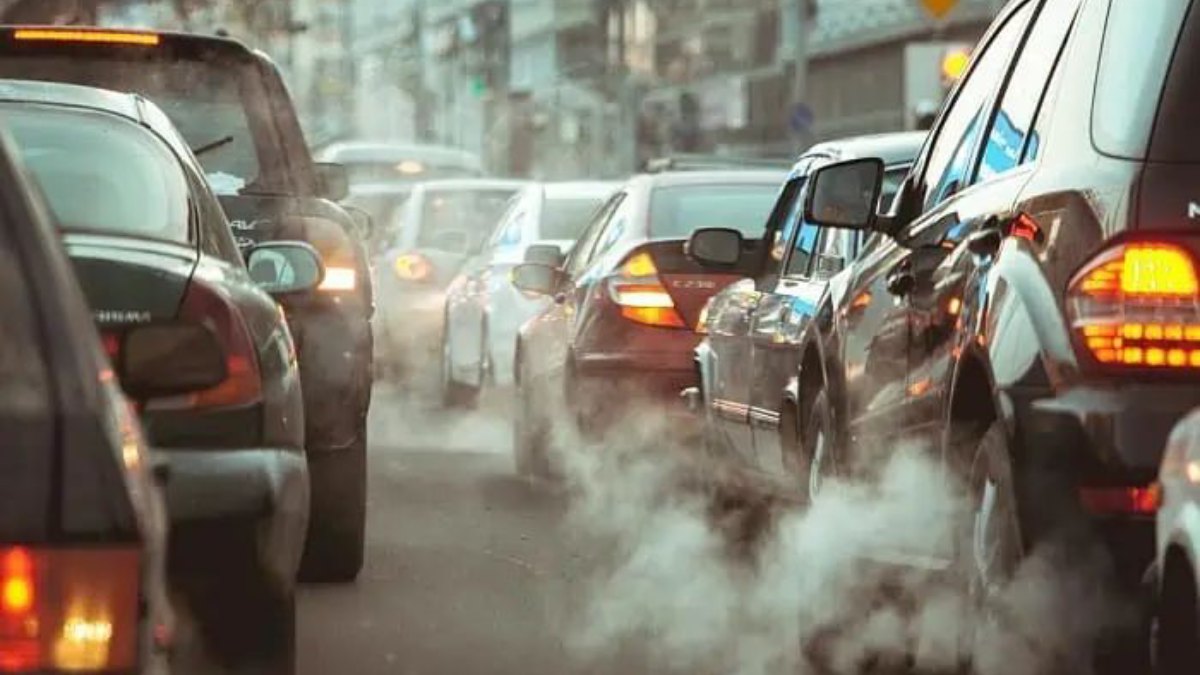
The commission had identified 2.54 million overage vehicles in Delhi, Haryana, Uttar Pradesh and Rajasthan but only about 185,000 (between January and October 2026) had been scrapped or NOCs issued to move outside the region.
The CAQM judged that the progress made by four jurisdictions in dealing with end-of-life vehicles was unsatisfactory.
Delhi-NCR Has More Than 2.36 Million Active End-of-Life Vehicles
The data from CAQM (up to October 2026) shows that many old vehicles are still active across NCR.
The state-wise figures reported by the commission are:
- Delhi: 852,396 end-of-life vehicles scrapped or issued NOCs (no objection certificates).
- Haryana: 988,368 end-of-life vehicles (16,135 scrapped or NOC issued).
- Uttar Pradesh: 589,979 end-of-life vehicles (97,998 scrapped or moved out).
- Rajasthan: 112,936 end-of-life vehicles (2047 scrapped or NOC issued).
Together the four jurisdictions had around 2.54 million identified overage vehicles. After vehicles scrapped or NOCs issued were removed more than 2.36 million were still active.
The figures show how difficult it is for authorities to enforce restrictions on older vehicles across a region that straddles several states.
Two-Wheelers And Cars Account For Most Vehicles
The CAQM also highlighted the composition of Delhi-NCR’s vehicle population.
As of 31 October 2026 the region had about 17.17 million registered vehicles (VAHAN portal).
Two-wheelers made up 65.2% of the total vehicle population and light motor vehicles (cars included) another 28.9%.
The remaining vehicles were three-wheelers, buses and goods carriers.
The commission said that vehicle age and emission standards are important factors in determining pollution levels. Older vehicles with earlier Bharat Stage emission norms can emit significantly higher quantities of pollutants than newer BS-VI vehicles.
Why Are End-of-Life Vehicles A Pollution Concern?
End-of-life vehicles are usually classified by age. In Delhi-NCR the following age criteria are used:
- Diesel vehicles older than 10 years.
- Petrol vehicles older than 15 years.
However, the CAQM has also said emission standards need to be taken into account while regulating vehicles.
Its report compared emissions of older diesel vehicles with those meeting BS-VI norms. Diesel light motor vehicles and light commercial vehicles that complied with BS-IV norms emitted 3.13 times more nitrogen oxides and 5.55 times more particulate matter than BS-VI standards respectively.
For BS-III vehicles the corresponding values were 6.25 times and 11.11 times higher respectively. BS-II vehicles had even greater differences in nitrogen oxide emissions (8.75 times) and particulate matter (17.77 times) compared to BS-VI levels.
The commission said vehicle fitness should not be the only criterion for whether an older vehicle can operate in the region because its original emission standard also affects pollution potential.
CAQM Recommends Stronger Action Against Polluting Vehicles
The commission has proposed several measures to reduce vehicular emissions and enforce better across Delhi-NCR.
These include:
- Phasing out highly polluting vehicles based on their emission potential.
- Increase Pollution Under Control (PUC) certification and enforcement.
- Expand electric vehicle charging and battery swapping infrastructure.
- Offering incentives to scrap older vehicles.
- Certification of eligible vehicles to be retrofitted to electric power.
- Automatic number plate recognition cameras, RFID systems and remote-sensing technology are used to detect non-compliant vehicles.
- Improving public transport by expanding metro, regional rail and electric bus networks.
The commission has also suggested barrier free Multi-Lane Free Flow systems at toll plazas to reduce traffic congestion and vehicle stoppages at Delhi’s entry points.
Supreme Court Examines BS-VI Vehicle Restrictions
The CAQM’s report comes as the Supreme Court continues to examine vehicular pollution in Delhi-NCR.
At the November 23 hearing, Chief Justice of India Surya Kant along with Justices Joymalya Bagchi and V Mohana said that they would consider restricting vehicles plying in Delhi during winter to those complying with BS-VI emission norms.
The court also talked about a five year plan to prevent commercial vehicles from entering the national capital (warehouses at Delhi’s borders and cleaner vehicles carrying essential goods into the city).
These observations are part of the court’s ongoing consideration of pollution-control measures. They should not be taken as a final order imposing BS-VI only restriction.
The Supreme Court is looking at the responses from authorities and CAQM’s recommendations as it considers further steps to address vehicular emissions.
Electric Mobility And Better Public Transport Among Long-Term Solutions
The CAQM has also stressed the need to speed up transition towards electric mobility.
On October 31 Delhi had about 683,251 electric vehicles and 14,913 charging stations/points. Uttar Pradesh had 347,587 electric vehicles; Haryana had 218,530; Rajasthan had 44,987.
The commission said charging infrastructure is not evenly spread across the region. It has called for more charging points, battery swapping stations and public transport connectivity.
The latest figures put before the Supreme Court show that removing highly polluting vehicles from roads is a major problem for Delhi-NCR. Enforcement will have to be stronger, scrapping facilities better and gradual shift towards cleaner transport (especially during winter pollution season) will also help reduce vehicular emissions.





Comments