After achieving the nationwide E20 ethanol blending target, the Indian government is now looking forward to the next phase of its ambitious biofuel programme. With ethanol production capacity increasing rapidly, policymakers are looking beyond petrol blending and are now looking for innovative applications such as ethanol ATMs, clean cooking fuel, Sustainable Aviation Fuel (SAF), flex-fuel vehicles, and exports.
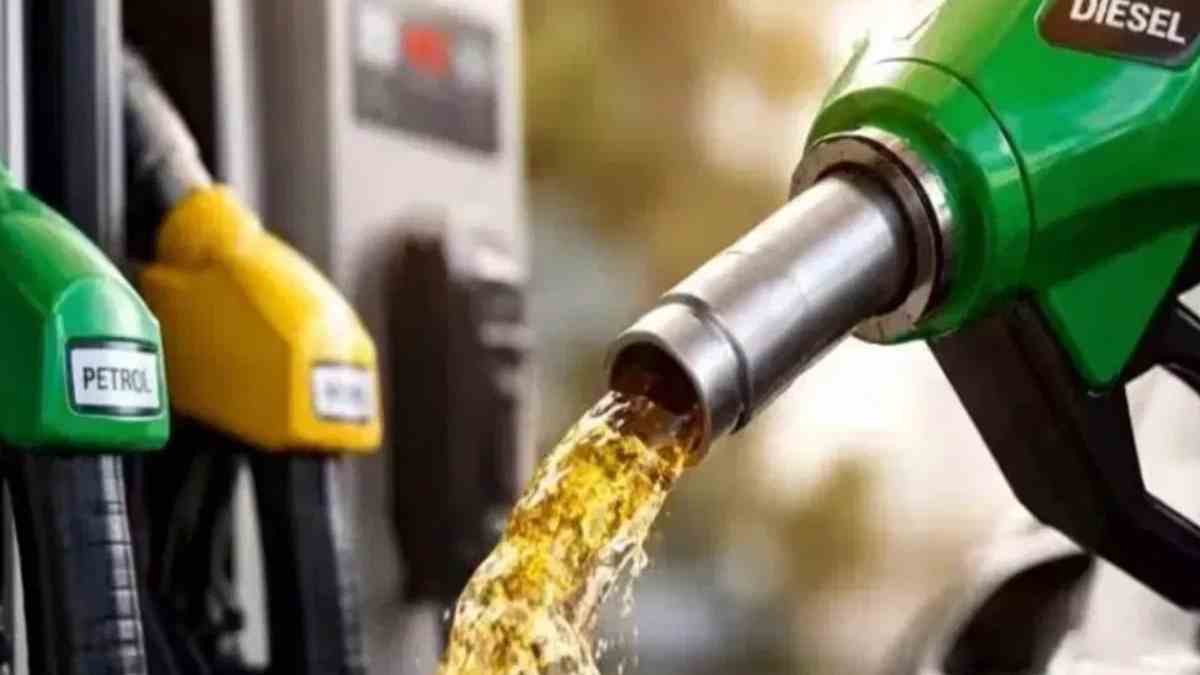
The move aims to harness India’s growing ethanol output and to increase energy security, decrease fossil fuel consumption, and create more income opportunities for farmers.
India Achieves E20 Milestone
India’s ethanol blending programme has changed drastically in the past decade. Ethanol blending in petrol has increased from about 1.5% in 2014 to 20% nationwide, making India one of the world’s largest biofuel adopters.
According to the government, this initiative has:
- Reduced dependency on imported crude oil.
- Achieved more than ₹1.4 lakh crore in foreign exchange since 2014-15.
- Greater demand for agricultural products used in ethanol production.
- Made sugarcane and grain farmers more prosperous.
- Enhanced India's domestic biofuel industry.
With the E20 meeting, the government will then be looking to expand ethanol access to other sectors.
What are Ethanol ATMs?
One of the most innovative ideas under consideration is the introduction of Ethanol ATMs.
- The automated dispensing units would supply ethanol-based fuel canisters for household cooking appliances.
- The concept is similar to existing water ATMs, where consumers can buy clean fuel at the moment it’s needed.
If implemented, ethanol ATMs could offer:
- Cleaner alternatives to traditional cooking fuels.
- Easy access in rural and urban areas.
- Lower dependence on LPG in some applications.
- Less carbon emissions from household cooking.
- Ethanol as Kitchen Fuel
The government is also interested in ethanol as a clean household cooking fuel.
Eco-friendly cooking stoves based on ethanol can be a good option for homes that are not as reliable as conventional fuels and need a conventional fuel supply in many of the regions in which conventional fuels are not readily available.
The initiative is in line with India’s clean energy aspirations and could help to use local biofuel more effectively.
Sustainable Aviation Fuel Gains Momentum
At the same time, India is also promoting Sustainable Aviation Fuel (SAF) in order to reduce carbon emissions from the aviation sector as part of its plan to curb carbon emissions.
SAF produced with ethanol and other renewable feedstocks is now seen as one of the most promising alternatives to conventional jet fuel.
As global airlines are under increased pressure to cut emissions, India’s growing ethanol industry could play a key role in providing raw materials for SAF production in the future.
Boost for Flex-Fuel Vehicles
Flex-fuel vehicles can run on ethanol and petrol mixed in different blends.
The government believes that more flex-fuel technology will be adopted:
- Increase ethanol consumption.
- Reduce petroleum imports.
- Lower vehicle emissions.
- Promote cleaner mobility solutions.
Car manufacturers have already started making vehicles for higher ethanol blends.
Export Opportunities
India's ethanol production capacity is expected to reach around 24 billion litres, while domestic demand is below that level.
The government, in order to use surplus production for use as a renewable fuel replacement, is assessing opportunities to export ethanol to countries needing to purchase such ethanol.
That would help India to become a major global supplier in the expanding biofuel market.
It is a new phase in the Indian biofuel economy.
Experts believe the next phase of India’s ethanol policy will go beyond transportation and create an integrated biofuel ecosystem covering household energy, aviation, industrial use, exports, and cleaner mobility.
If implemented properly, programs such as ethanol ATMs, ethanol-powered cooking solutions, Sustainable Aviation Fuel, and expanded flex-fuel infrastructure could significantly enhance India’s energy independence, environmental sustainability, and rural economic growth.
And with the production capacity of ethanol continuing to grow, the new government’s roadmap signals that ethanol could become a much more important part of India’s clean energy future.