Four people have died in the current outbreak of Legionnaires’ disease in New York City and health officials are scrambling to identify the source and warn residents to stay vigilant. The bacterial disease is not contagious from one person to another and can be dangerous if not detected and diagnosed early in the process.
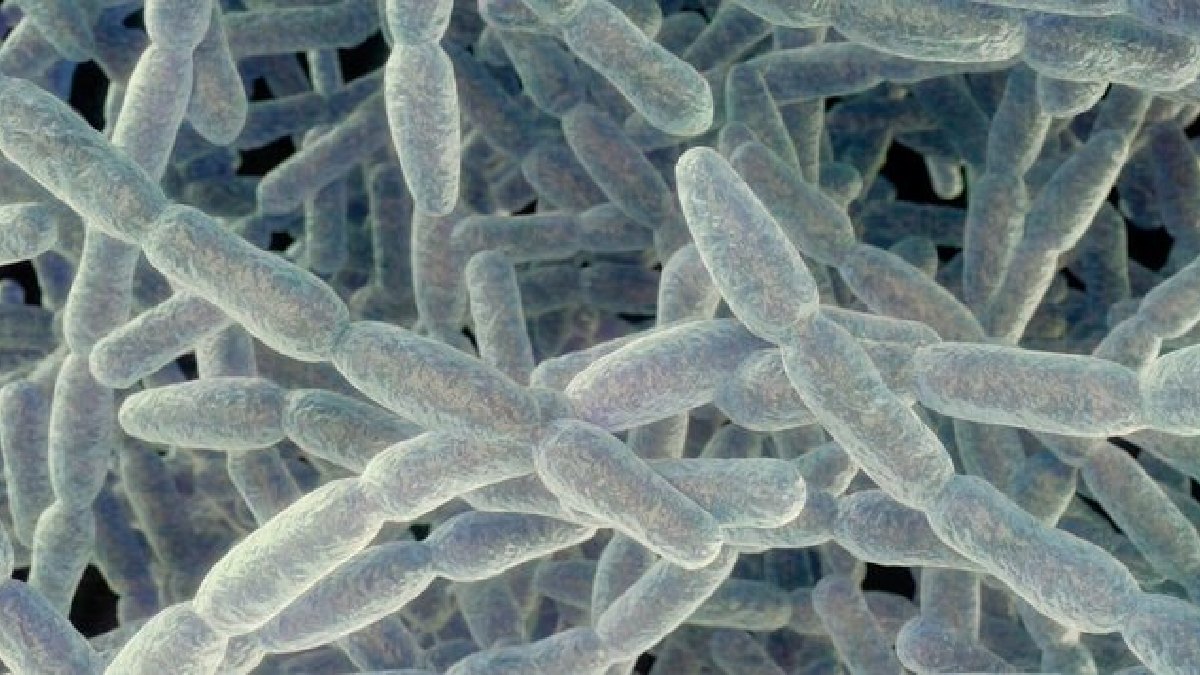
Legionnaires’ disease is a serious form of pneumonia caused by Legionella bacteria. These bacteria thrive in warm water environments like cooling towers, hot tubs, decorative fountains, plumbing systems and large air-conditioning units. People get infected by inhaling tiny water droplets contaminated with the bacteria.
The recent cases have raised questions about water safety as well as maintaining large building cooling systems, health officials said. Water sources, officials say, are also being checked and the outbreak is ongoing to find an answer.
Who is Most At Risk
While anyone can develop Legionnaires’ disease, some are at a significantly higher risk of severe illness. These include people aged 50 years and older, smokers, those with chronic lung disease, weakened immune systems and long-term diseases (eg diabetes or kidney disease).
Healthy people have a lower risk, but they can get infected if exposed to contaminated water sources.
Warning Signs and Symptoms
The symptoms are typically first detected two to ten days after exposure to the bacteria. Early diagnosis is important because untreated Legionnaires’ disease can be fatal.
Common symptoms include
- High fever and chills
- Persistent cough
- Shortness of breath
- Muscle aches
- Headache
- Chest pain
- Fatigue
Since these symptoms are similar to those of other forms of pneumonia, medical testing is often needed to confirm the diagnosis.
Treatment and Prevention
Legionnaires’ disease is treated with antibiotics and most patients recover when treatment begins promptly. But delayed diagnosis can result in severe lung damage, respiratory failure, or even death.
To prevent outbreaks, we have to maintain and disinfect water systems. Building owners are advised to regularly check cooling towers, water tanks, and plumbing systems to prevent bacterial growth.
Unlike flu or COVID-19, Legionnaires’ disease does not spread from one person to another, so contact with an infected person is not considered a risk.
Public Health Advisory
Health officials are advising anyone who develops pneumonia-like symptoms after visiting or living in the affected areas to seek immediate medical attention. Early identification and early antibiotic treatment are the most effective ways to prevent complications, they say.
New York City's outbreak is a lesson in how urgent it is for public health that the water system is kept clean. Although the disease is relatively rare, awareness of its symptoms and risk factors can ultimately save lives in an outbreak.