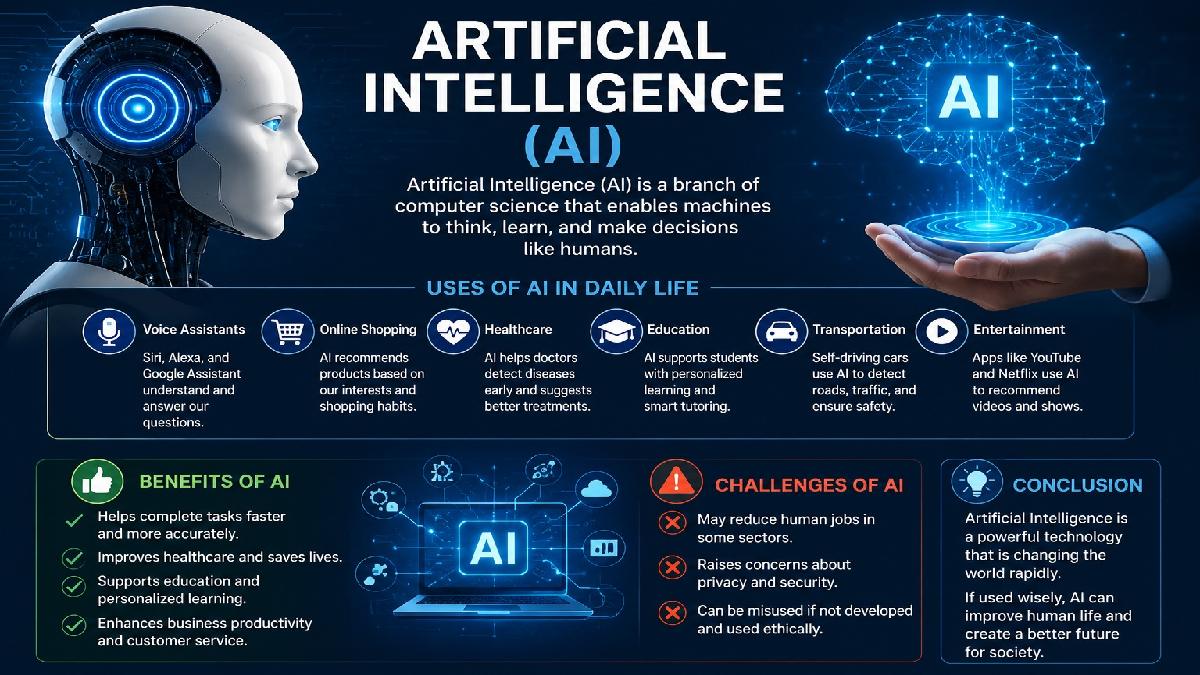
Artificial intelligence is becoming an indispensable part of education, work, and everyday life. AI-based tools like ChatGPT are changing how people get information, write emails, generate code, answer complex questions, and summarize research. Yet, a recent MIT study has raised an important question: How does frequent AI use impact how we think and learn?
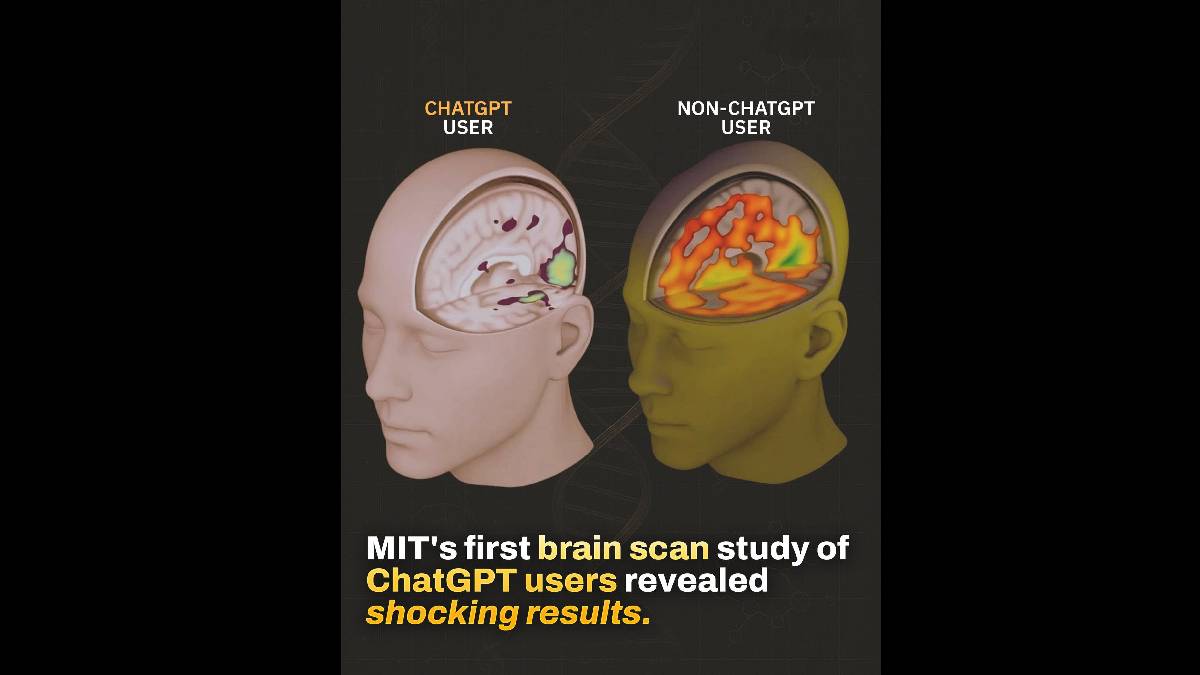
According to the studies, AI assistants in writing tasks could affect memory, cognitive engagement, and mental effort. The results suggest that when people rely too much on AI-generated responses, they may not engage fully with the material (e.g., writing, problem-solving, learning).
🧠 AI May Change How We Think — But How We Use It Matters
— Next Science (@NextScience) July 17, 2026
A reported MIT study explored how ChatGPT use affects memory and brain engagement. The findings suggest that relying too heavily on AI may reduce the mental effort we use for writing and learning.
The message isn’t to… pic.twitter.com/kymIYnWac5
Mental effort is essential to retain information. Organizing ideas, recalling facts, evaluating arguments, and writing original responses improve memory and deepen understanding. If AI is always carrying out such tasks for the user, then they may fail to develop or reinforce these cognitive skills.

But at the same time, the overall message coming out of the research is not that we shouldn’t use AI. Experts are now more and more convinced that AI should be seen as a powerful assistant as opposed to a substitute for independent thinking.
When used responsibly, AI can greatly enhance productivity. Students can use it to clarify difficult concepts; professionals can make routine work more efficient; researchers can organize information more efficiently; and developers can get coding assistance. AI, as such, becomes a productivity enhancer, but the human process of reasoning and decision-making is still left to humans.
The most benefit seems to be from a balanced approach. Rather than copying stuff from AI and just going on with it, users should challenge themselves to figure out their own ideas first and then ask AI to fine-tune, enlarge, verify, or critique them. So much creativity and efficiency are created in a collaborative approach.
Educators are also looking to incorporate AI into classrooms without diminishing critical thinking. Many experts suggest that AI must be integrated into classrooms to allow students to do things in their studies that require critical thinking. To do so and to put a human mind in the field of AI and to learn with confidence, the most intelligent students should have to think critically. This way, students can develop and learn independently without losing their independence and can maintain their independent learning skills while simultaneously gaining technology-based learning skills.
Businesses are adopting a similar philosophy. Companies are increasingly encouraging employees to use AI for repetitive or time-consuming tasks and leave strategic thinking, creativity, ethical judgment, and complex decision-making to humans. This “human-in-the-loop” model combines computational speed with human insight.
The debate also illustrates the evolving relationship between human beings and intelligent machines. Computers, search engines, smartphones, and other technologies have all transformed how people do some things over the years. AI is the next evolution of that process, and so we need to deliberately keep skills like reasoning, creativity, communication, and problem-solving.
There will still be much more research to be done to understand the long-term effects of AI on cognition, learning, and memory, they say. Factors like age, frequency of use, educational context, and task complexity are expected to affect results. As AI technologies evolve, so will our understanding of their effects on the human mind.
The lesson is clear: AI works best in conjunction with human intelligence, not in replacement of human intelligence. The next generation of people will likely be those who combine their own knowledge, curiosity, and critical thinking with the speed and capabilities of artificial intelligence. People can leverage AI as an enhancement rather than a dependency; their minds are not only active, flexible, and creative but also creative.