
The rapid advancement of artificial intelligence raises a brave new question: Is any examination too difficult for AI to take and can it not be done? AI systems in recent years have outperformed humans on a number of academic and professional tests. From difficult mathematical equations to law and medical entrance exams to the many others in between these last few decades, we see an unstoppable acceleration of that human-based and machine-driven technologies. But to think every exam is too difficult for AI is not actually so.
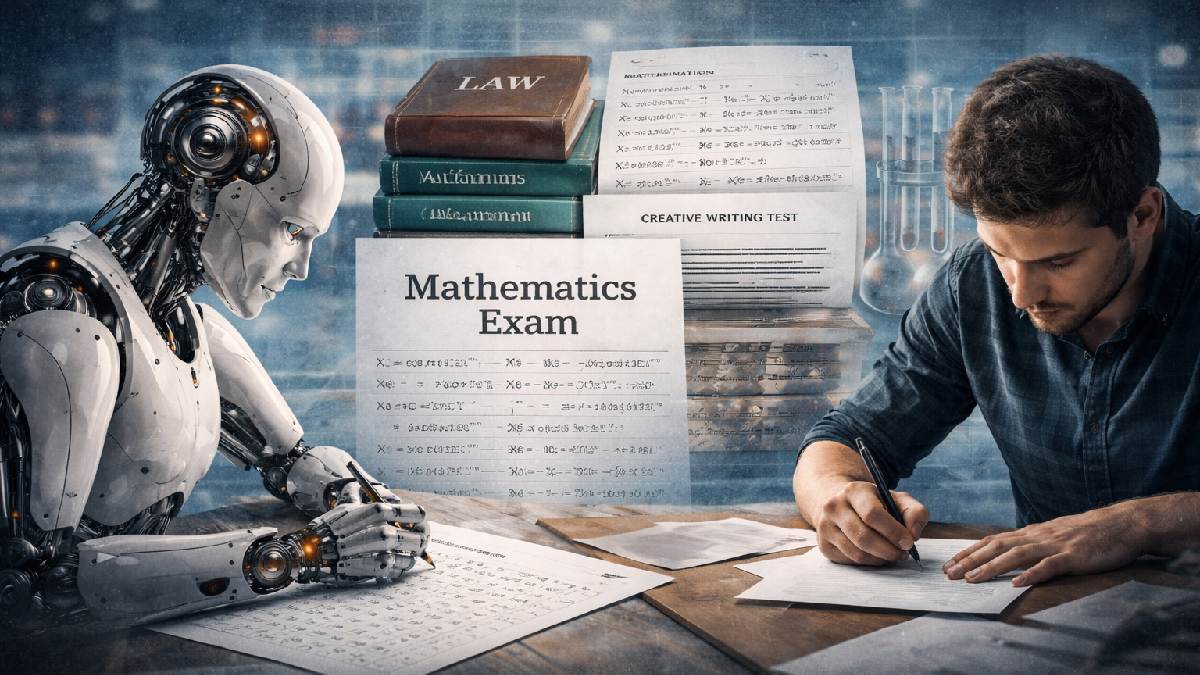
AI can excel in structured settings in which questions have a consistent pattern. Typical tests, multiple-choice problems, and data-driven problems are areas AI excels in and can excel in for these too. It is able to quickly gather data, get patterns in it, and can answer questions rapidly. And we see AI in this regard has become a good rival to humans.
However, with all these strengths, AI faces many limitations. One of them is deep reasoning and critical thinking. Exams that require interpretation, subjective decision-making for someone that is human-like also can be difficult for AI. AI doesn’t really understand or process with reality, but it’s pattern-based and not intelligent in the sense that what is actually able to be understood. As a result, for some AI can be inaccurate, particularly in ambiguous situations.
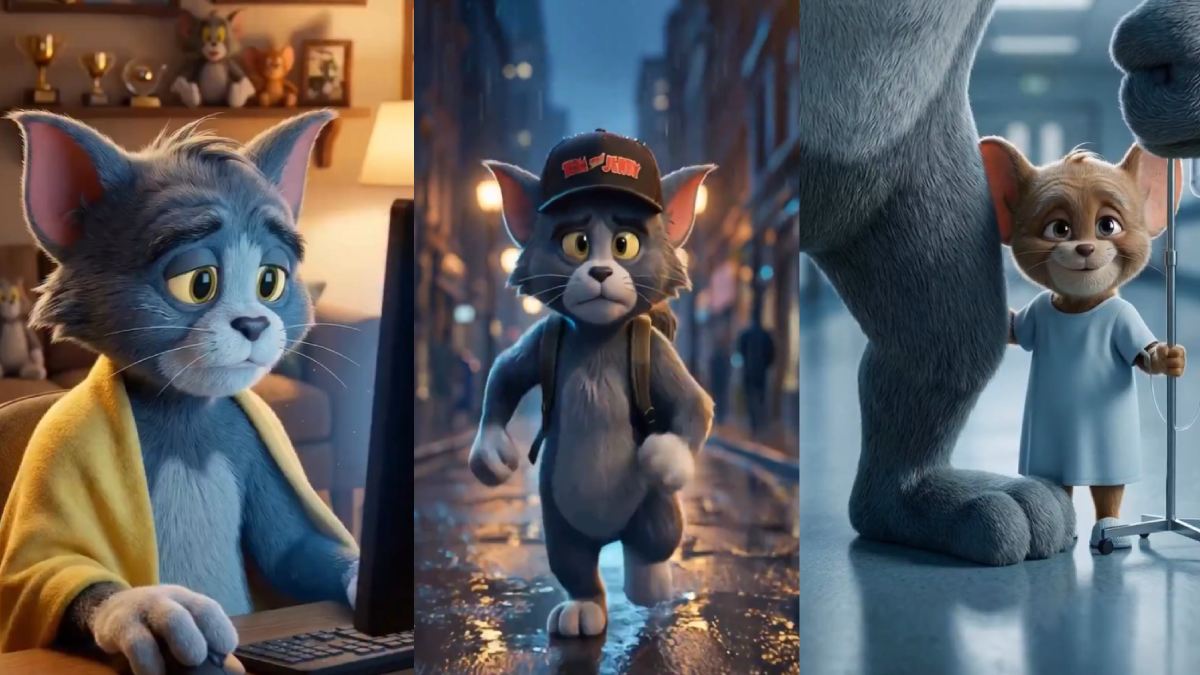
Creativity is another key factor that AI struggles with. While there is creative information and content it must learn and make suggestions that are based on more existing data and lack original thought. Questions that require innovation and personal vision or experience are proving to be challenging for AI systems.
Furthermore, practical and hands-on experiments, including lab or field-based assessments, cannot be easily handled through AI alone. These tasks need to be done to be physically interactive, adaptive, and live in real-world conditions.
AI has been so great while helping so efficiently with tests, but it isn’t unlimited; we can’t call it invincible yet. Of course, exams that take human judgment and creativity and can be solved with knowledge-building and an eye to the human experience are still things humans need to work on. It is then better to simply say AI is a tool for education, but not everything is the domain when AI cannot do all the exams as well.









Comments