The lack of water in one American city has been a striking reminder of the global water crisis. One American city could become one of the first in the country to run out of usable water if long-term problems such as prolonged drought, climate change and demand increase and infrastructure deterioration are not addressed.
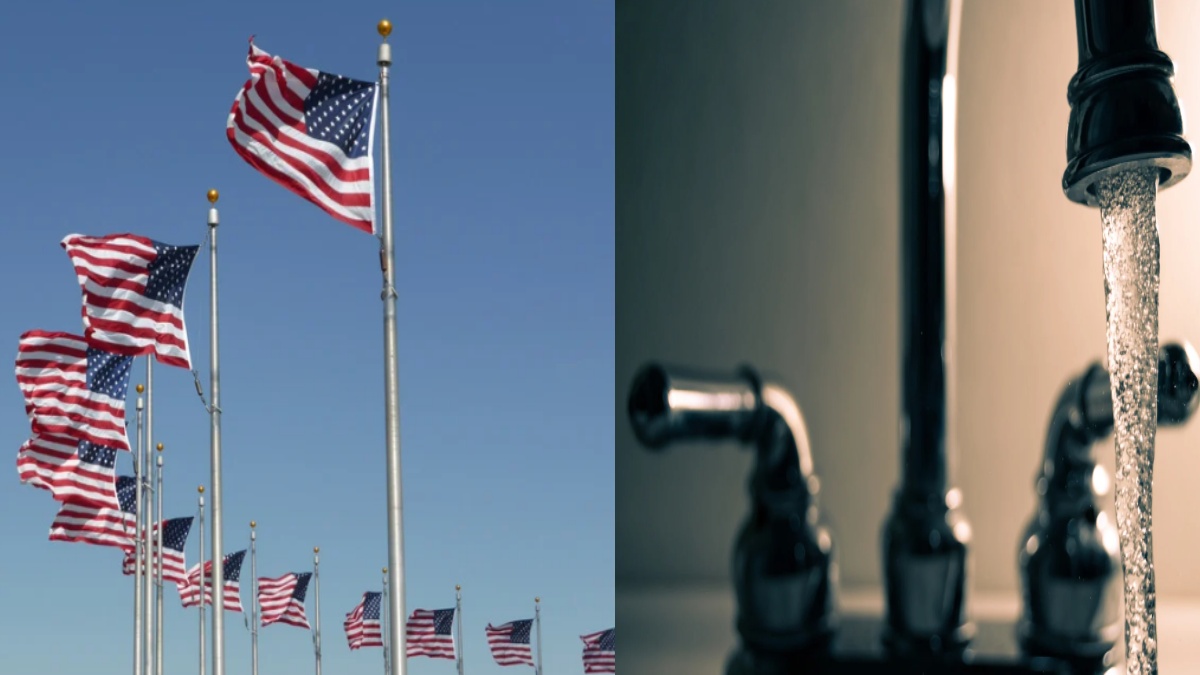
Although the United States has long been considered a country with advanced infrastructure and abundant resources, the current crisis shows that no nation is immune to the impacts of changing climate patterns and increasing pressure on freshwater supplies. The situation has also triggered broader conversations about water conservation, sustainable urban planning and the urgent need to protect one of the planet’s most valuable natural resources.
Why is the Water Crisis worsening?
Water shortages rarely occur due to a single factor. Rather, they are generally a result of many interconnected issues.
Climate change is one of the major contributors that has altered rainfall patterns in all regions of the world. Longer dry seasons, hotter heatwaves and reduced snowfall in mountain regions have brought down water levels in rivers, reservoirs and underground aquifers.
At the same time, rapid population growth and urbanization have greatly increased the need for drinking water, agriculture, and industrial use. Water consumption in many cities is rising faster than supplies can be replenished.
The other major challenge is aging water infrastructure. Leaking pipelines, antiquated treatment facilities and deficient distribution systems mean that every day millions of litres of treated water are lost.
Climate Change and Extreme Weather
Climate change is making droughts more frequent and more severe, scientists have warned repeatedly over the years. Rising temperatures increase evaporation from lakes, reservoirs and soil and water availability for communities and agriculture diminishes.
Extreme weather phenomena also complicate water management. When there is a prolonged drought, some regions are hit with floods that overwhelm infrastructure but do little to replenish groundwater supplies.
These changes in weather patterns make long-term forecasting and planning even more difficult for governments and water authorities.
Impact on Residents
If water supplies continue to decline, communities would have to take extremely strict conservation measures and limit household water usage, irrigation and industrial use.
Water shortages can affect hospitals, schools, businesses and emergency services as well. Because agriculture may be suffering loss of irrigation, crops may be less planted and food prices can go up.
In the most severe cases, authorities will need to transport water from other locations or spend large amounts of money on emergency infrastructure to maintain critical supplies.
Lessons for the Rest of the World
The challenges facing this US city are not unique. Similar water shortages have affected regions in Africa, Asia, Europe, Australia, and Latin America over the past decade.
So far, several cities have experienced "Day Zero" warnings– when municipal water systems are threatened with their capacity to supply enough water to everyone. Emergency conservation has saved many cities from complete water shortages but the challenge is not over.
In this scenario we know that in the future the best strategy is to plan for the future and not to wait for disaster to happen.
Sustainable Water Management
Some measures can minimize the risk of water shortages:
- Water conservation in homes and industries
- Repairing aging water pipelines to stop leaks
- Developing rainwater harvesting systems
- Extending wastewater recycling and reuse
- Keeping rivers, lakes and wetlands clean
- Encouraging efficient irrigation practices in agriculture
- Promoting public awareness on responsible water use
Smart water meters, advanced desalination systems and AI-based water management systems are also expected to become the dominant technologies in the near future.
Governments Face Growing Challenges
If more people are added to the population and climate changes become more unpredictable, governments will need to invest heavily in resilient water infrastructure worldwide.
Policy experts say that long-term planning should include better groundwater management, protection of natural ecosystems and regional water-sharing strategy coordination when drought is a problem to be considered, and a better management of groundwater and protection of natural ecosystems in all regions.
International cooperation will also become more important given that water scarcity is a problem for many countries and river basins.
A Global Wake-Up Call
The fact a city in one of the world’s largest economies faces a near-record water shortage is an eye opener that water security is not something that can be taken for granted.
Environmental experts stress that conservation should not only happen in emergencies. Daily actions like fixing leaks, reducing unnecessary water use, and supporting sustainable policies can all make a significant difference.
As climate change is changing weather patterns all over the world, the experience of this US city could be a lesson for governments, businesses and people. Water access in a world with climate change must be coordinated, investment is made and people are responsible for the management of natural resources.
The situation we are facing is not only a local issue; it’s a warning to the world that the water crisis is worsening and sustainable water management must be the primary concern for the next few decades.