The ongoing conflict in the Middle East, particularly involving Iran, is sending shockwaves across Southeast Asia, triggering a major fuel crisis that is disrupting daily life in several ASEAN nations. From emergency measures in the Philippines to fuel shortages in Cambodia and energy-saving policies in Thailand, the ripple effects of rising oil prices are becoming increasingly visible.

At the heart of the crisis is the disruption of global oil supply chains, particularly through the Strait of Hormuz a critical route for global energy transport. The conflict has pushed oil prices sharply higher, with Asia bearing the brunt due to its heavy dependence on imported fuel.
Philippines Declares Energy Emergency
In one of the most dramatic responses, the Philippines has declared a national energy emergency as fuel supplies tighten and prices surge. Authorities are scrambling to secure additional oil reserves, while also considering drastic steps such as grounding flights if shortages worsen.
To conserve fuel, the government has introduced measures like reduced working days, energy-saving mandates, and restrictions on fuel consumption. Public dissatisfaction is growing as transport costs rise and inflationary pressures intensify.
Cambodia Struggles With Fuel Shortages
In Cambodia, the situation is equally alarming. The country, which relies entirely on imported fuel, has seen gasoline and diesel prices surge sharply.
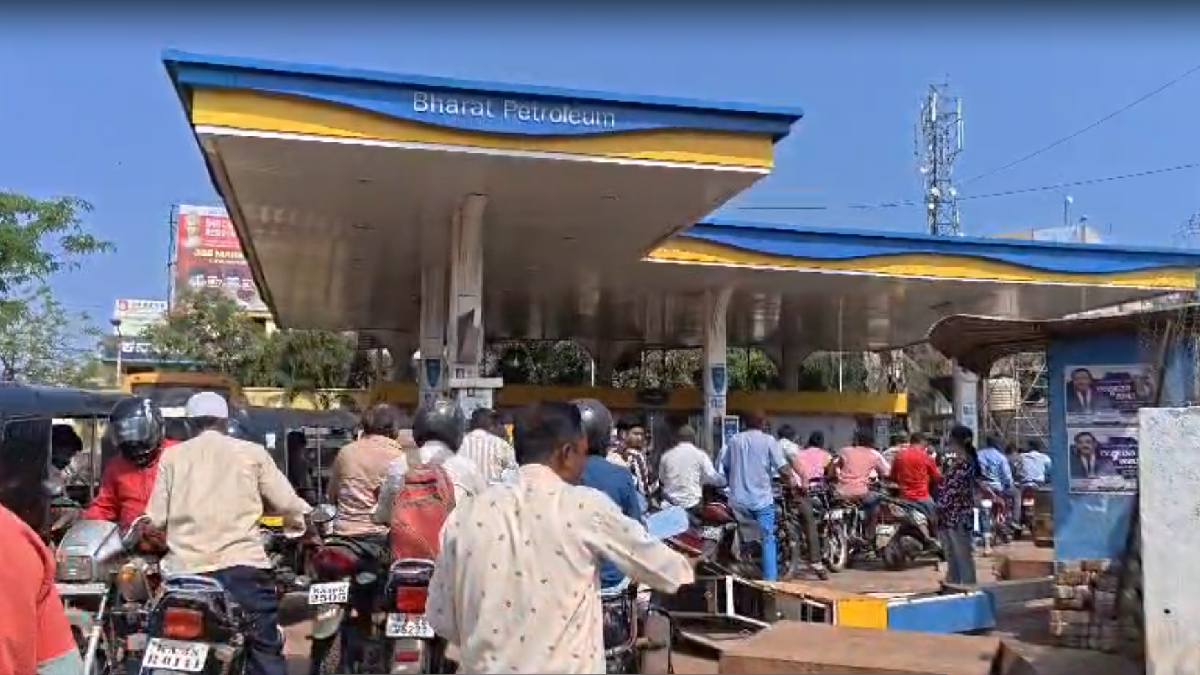
Reports suggest that fuel availability is tightening, affecting transport services such as tuk-tuks an essential mode of daily commute. Rising fuel costs are not only impacting drivers’ incomes but also increasing the cost of living for ordinary citizens.
Thailand Adopts Energy-Saving Measures
Thailand, meanwhile, is taking a different approach by aggressively cutting energy consumption. The government has implemented work-from-home policies for many employees and imposed temporary price caps on fuel to shield consumers.
There are also reports of reduced travel, fewer official engagements, and lifestyle adjustments including lighter work attire to reduce energy usage in offices.
A Region Under Pressure
Across ASEAN, governments are introducing fuel rationing, price controls, and conservation strategies to manage the crisis. However, experts warn that prolonged disruptions could lead to deeper economic challenges, including inflation, reduced growth, and social unrest.
The crisis has also triggered broader consequences, such as stock market outflows and rising transport costs, reflecting the vulnerability of energy-dependent economies.
What Lies Ahead?
As the Iran conflict continues to disrupt global oil flows, ASEAN nations face a difficult road ahead. While short-term measures may ease immediate pressure, long-term solutions such as diversifying energy sources and accelerating the shift to electric vehicles are becoming increasingly urgent.
For now, everyday life across Southeast Asia is being reshaped by the fuel shock from grounded flights to empty fuel stations highlighting how geopolitical tensions can quickly translate into real-world challenges far beyond the conflict zone.