At least 14 people died in the Democratic Republic of Congo (DRC) after a plane crashed in mid-flight. The plane had technical issues prior to the crash, according to initial reports. The reasons for the crash were identified as technical issues that caused the plane to crash, and rescue teams are still working to find out what caused this and to recover the victims at the crash site.
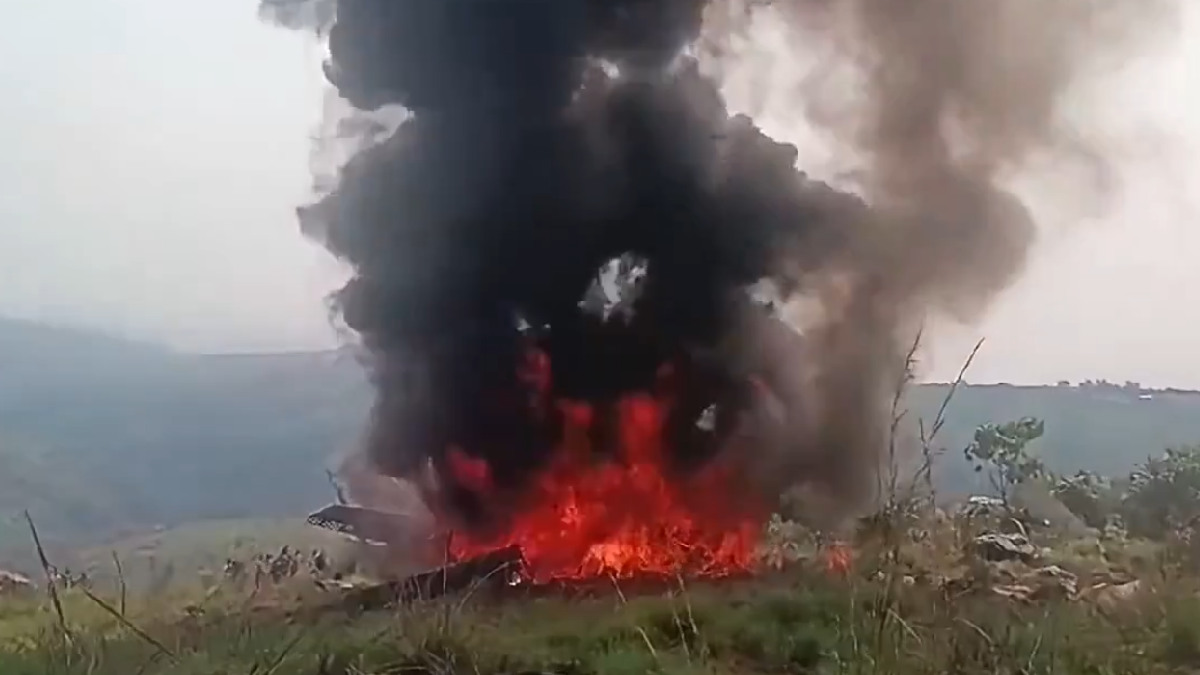
Local officials said the plane was unable to take off earlier than expected. Strange engine sounds could be heard as the plane dropped from the sky and crashed. Emergency services rushed to the site, but there was little hope for people on board. At least 14 people were killed, but officials warned that the death toll might rise as recovery efforts were carried out.
The accident once again underscores the difficulties in Central Africa. The Democratic Republic of Congo, a large country with a poor road network in many areas, depends on air transport for passenger and cargo transport. The aviation sector has suffered from issues with aircraft maintenance, operational safety, and flying in bad weather.
Investigators will look at the aircraft’s maintenance records, flight data, and communication logs to understand what happened. Aviation experts will also try to determine if the technical bottleneck was to blame or if there were weather conditions or operational problems with the aircraft that led to the accident.
Residents near the crash site described scenes of chaos and devastation. Thick smoke was reported seconds after the plane went down, and emergency services and volunteers rushed to rescue operations. Security and recovery units cordoned off the area to allow investigators and recovery workers to operate without disturbance.
Government officials offered their condolences to the families who lost their lives. They pledged full support to the victims’ families and promised a transparent probe. Aviation safety procedures need to be examined as a result of the latest accident, the government said.
Air crashes in the Democratic Republic of Congo have received a lot of attention over the years due to the rugged terrain and aviation infrastructure in the country. The safety and risk of such incidents are greatly enhanced by the need for maintenance, pilot training, and safety oversight, as well as the need for them to be monitored.
As investigators survey the site of the crash and try to determine what happened before it happened, questions remain as to the plane's condition before departure and the sequence of events leading up to the crash. Aviation authorities will have to tell us more after investigating technical data and interviewing witnesses.
And for now, the nation is grieving for at least 14 lives in a tragedy that has rocked communities and renewed calls for better aviation safety measures. The investigation of one of the deadliest air accidents in recent years in the region will continue to be monitored, and updates will be provided as the situation develops, officials said.