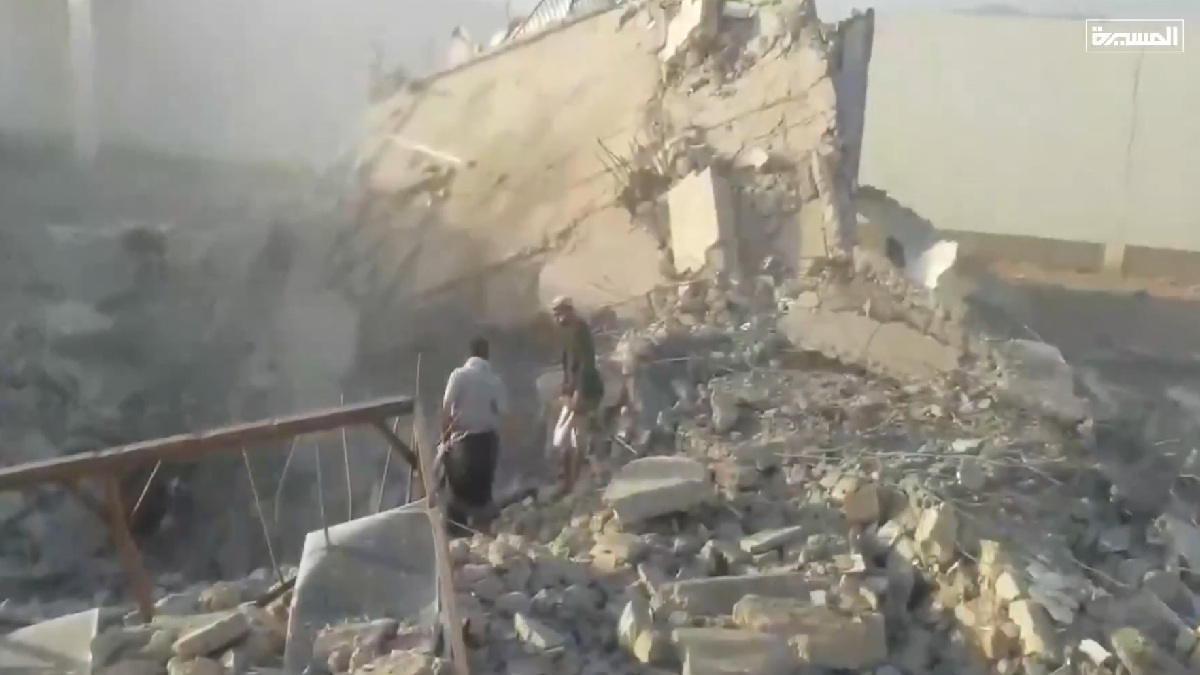
At least 30 Yemeni government troops were killed, and dozens more injured in a series of coordinated missile and drone attacks across southern Yemen, military and local officials said. The deadly assault targeted military positions in southern Yemen in the midst of the country’s grinding war.
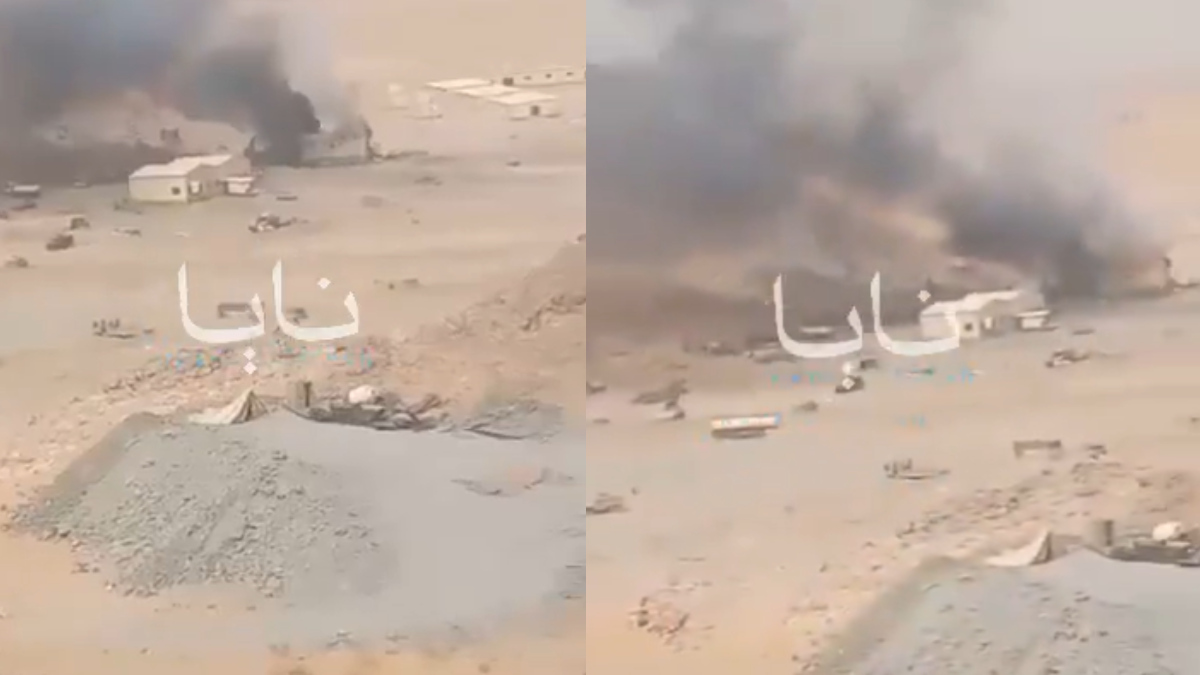
The attacks hit military bases and troop gathering points and caused widespread casualties and damage to military infrastructure. Emergency responders and medical teams rushed to the affected areas to evacuate the wounded and recover the bodies of those who were killed. The death toll could rise further as several injured soldiers are still in critical condition and rescue efforts continue, officials said.
Houthis, an Iran-aligned armed group that controls much of northern Yemen, increasingly depend on drones and missile technology in their military operations. Ballistic missiles and explosive drones reportedly overwhelmed air defence systems and caught troops by surprise.
The military sources said that the targeted forces are on the front lines where recent fighting between government troops and Houthi fighters has been intense.
Yemen’s internationally recognised government strongly condemned the attacks and said they were a massive escalation that could not be seen as a good thing for peace and stability in the war-torn country. The Houthis were undermining efforts at peace in diplomatic efforts and prolonging the suffering of civilians and military personnel, government officials said.
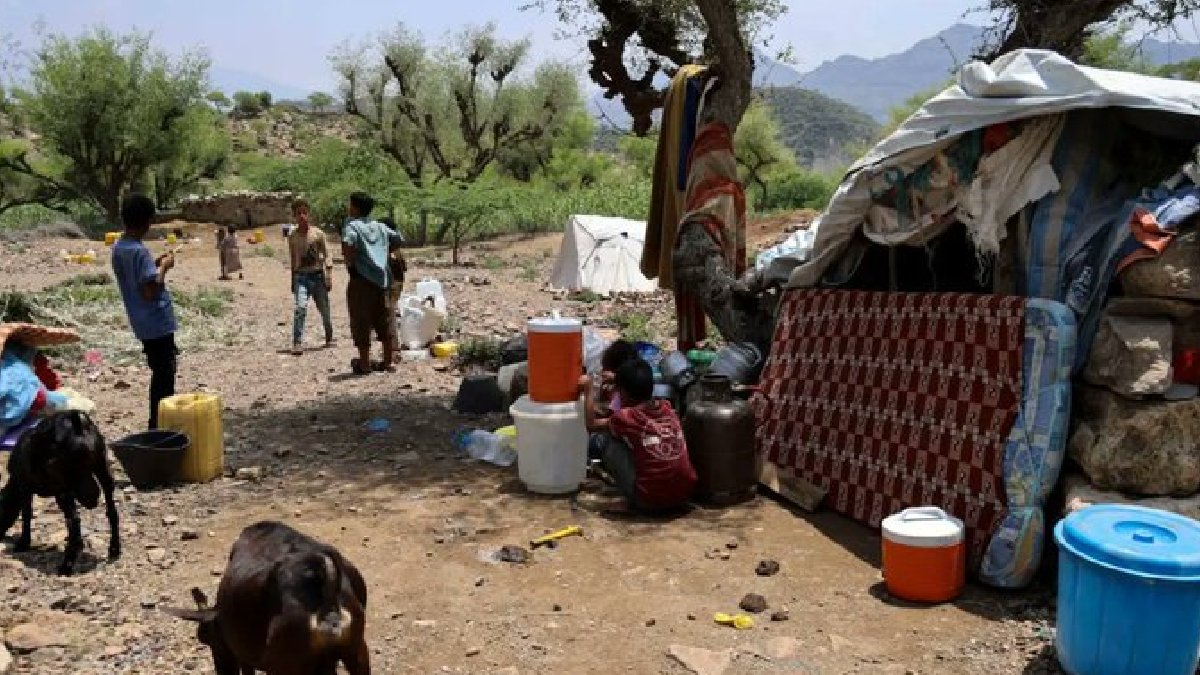
Yemen’s war, which started in 2014 when the Houthis seized the capital, Sanaa, has been one of the world’s most devastating humanitarian crises. Years of fighting have left millions of people displaced, destroyed infrastructure and forced millions of people into poverty and food insecurity.
Despite occasional ceasefires and international mediation efforts, violence continues to erupt in different parts of the country. Both sides have accused each other of violating agreements aimed at ending hostilities. The attack highlights the fragile security situation and the difficulties for negotiators to find a durable political solution.
Drones and missile warfare have become a more important factor in the conflict, regional analysts say. With advances in unmanned aerial systems that can carry out long-range attacks more precisely, military operations have gotten more complicated and international neighbours are worried.
Medical officials confirmed that dozens of casualties had been reported from nearby hospitals and emergency surgeries were performed at the scene, and hospitals were on high alert for the influx of patients. Humanitarian organisations also worry that continued violence will be carried out against civilians in areas with fighting and where conflict is taking place, and the people who live around conflict areas.
The international community has repeatedly called for restraint and peace talks. The United Nations and regional actors have repeatedly asked that all parties take part in dialogue and not fight because escalation will have negative implications for Yemen and for the rest of the Middle East.
As the investigation into the attacks continues, security forces are on guard for more attacks. Military commanders have pledged to respond to the attack and put troops on high defensive positions in the hard-hit areas. The number of casualties is still very high as rescue workers are still working and several victims are still in critical condition, officials say.