Iranian missiles hit Bahrain on April 1, 2026, targeting Batelco, the country’s largest telecom facility; the building hosted other services such as Amazon Web Services (AWS); but more, with a direct assault against American tech infrastructure links in the Gulf region. That strike has raised concerns that the war between the USA and Iran is now spreading beyond military fronts and into the commercial and civilian aspects of society.

The attack on Batelco’s headquarters in Hamala disrupted servers and damaged systems, and engineers are trying to determine the scope of the damage. AWS’ information technology as well as communication networks, which make up the backbone for worldwide business as it operates as a data center in Hamala, saw an acceleration in drone attacks in the Gulf of Arabia and a shift in Iran’s approach to technology and communication networks as this was not unexpected.
The incident was not unique; fires were reported at other company sites in Bahrain and in Kuwait an intercepted drone struck fuel tanks that are now in open flame at the country’s capital Kuwait City and caused a spectacular fire. Shrapnel from a crashed drone tragically killed a Bangladeshi worker in Fujairah in the UAE, too. Such incidents are an indication of the deep-rooted tension in the region.
Bahrain’s authorities rushed to contain the damage immediately and reassure the population. Emergency teams quickly started to put out fires and secure all operations. International observers made it apparent that the strike on Batelco was one of symbolic significance; the attack came down on a company that is tied to U.S. technology infrastructure. That has alarmed many multinational companies working in the Gulf with their operations.
The targeting of corporate-related infrastructure is a dangerous escalation of the situation in Iran today. The strikes, however, don’t just target military bases or oil facilities but technology infrastructure that connects the region to the global economy. That the Iranian attacks missiles and drones on servers and telecom hubs and airports don’t stop civilian life, in fact it’s a brazen attack that will disrupt, as I wrote here and will say here and tomorrow, both the daily world and international business.
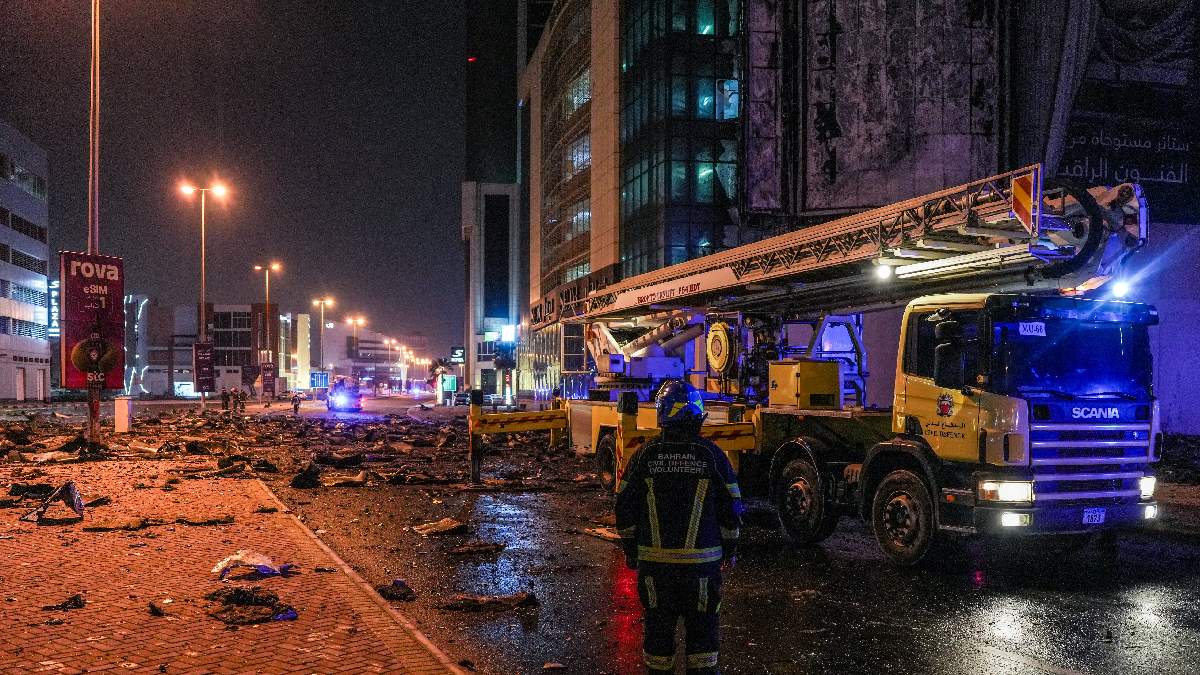
The global reaction has been one of anxiety. Businesses that depend on AWS services experienced disruption and analysts also warned it could disrupt markets. Oil prices, already high due to the war as businesses are dealing with lack of guidance, might rise further. It all adds up so much to the cost of war as critics point out the conflict has launched civilians and corporations into battle.
The Bahrain attack is so much more than a local issue. It means that the Iran war is expanding into new domains, particularly technology and corporate infrastructure. And with Batelco and AWS in the middle of the action, the conflict would be damaging for not only governments but businesses as well as everyday people. This escalation makes the Gulf much more volatile and unpredictable, potentially even a global war.