The political status of Balochistan has once more attracted international attention as Baloch nationalist groups called on people to observe August 11 as Balochistan Independence Day.
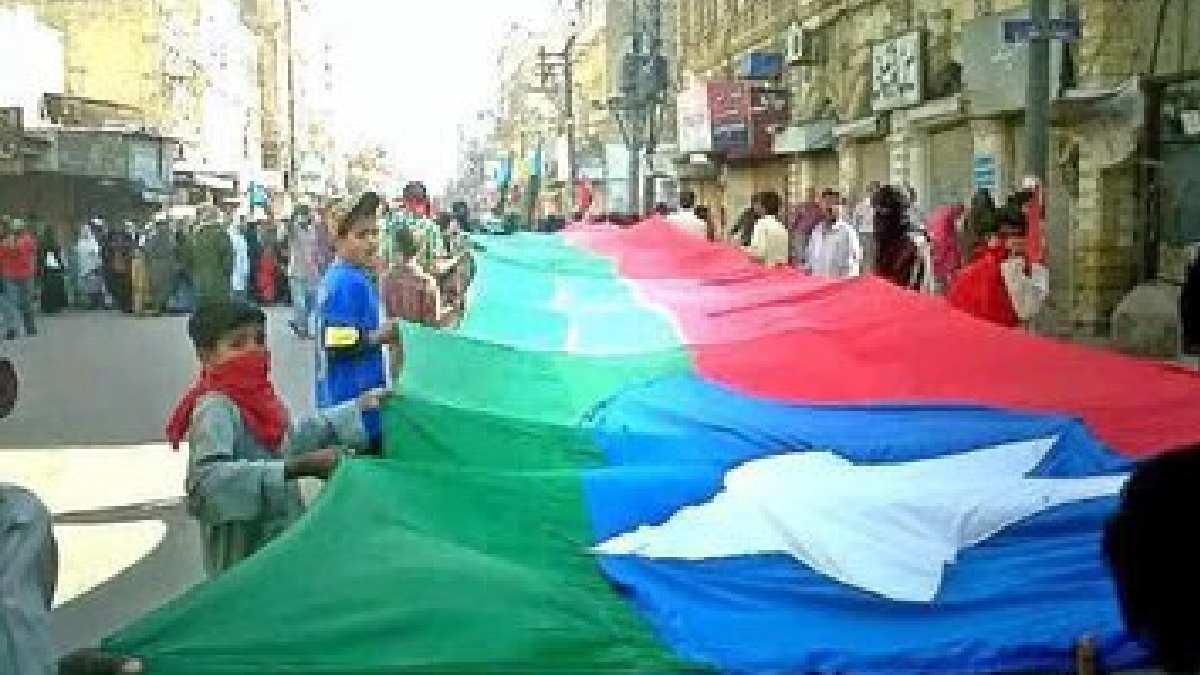
The declaration has been raised among social media users who claim that Balochistan was independent before it joined Pakistan in 1948.
Every year, Baloch nationalist organizations celebrate August 11 by organizing online campaigns, protests and awareness events. The former princely state of Kalat declared independence on August 11, 1947, only days before the creation of Pakistan, they say.
They claim that the state’s later admission into Pakistan in March 1948 was not a mere expedient act of independence but a matter of political and historical negotiation.
Pakistan, however, formally rejects these claims. Islamabad says that Balochistan is part of the country and separatist activities are illegal. The Pakistani government rarely makes public statements on these annual occasions in order not to feed separatist narratives.
Activists have said that this silence is an attempt to keep international attention away from the issue.
The Balochistan conflict has existed for decades and has always been in conflict between independent provinces and autonomy in the province. Separatist groups claim that the Pakistani government has taken advantage of the province’s wealth of natural resources natural gas, copper and gold but failed to take into account local development and political representation.
Islamabad denies these allegations and has invested heavily in infrastructure education and economic projects in the province.
The province is also strategically important as it is situated on the Arabian Sea as well as being part of the China-Pakistan Economic Corridor (CPEC) projects like Gwadar Port have fueled Balochistan’s geopolitical significance that has attracted global attention but also exacerbated local political tension.
Human rights organizations have long expressed concern over enforced disappearances, restrictions on freedom of expression and security operations in the province. Pakistani authorities deny systematic abuse and state-run law enforcement has the purpose to prevent terrorism and maintain the security of Pakistan.
As August 11 approaches, hashtags to celebrate Balochistan Independence Day have started circulating on social media. Demonstrations are expected in more than one country where Balochs of the diaspora reside, including the UK, Germany, Canada and the USA.
As Baloch nationalist groups keep promoting the historical significance of August 11, Pakistan's position is not changing. The mixed narrative of history, identity and geopolitics in South Asia still shapes public debate.
August 11 is a period of symbolic significance because of how long Balochistan has to go to be a democracy.
Whether it is nationalism, constitutional history, regional security, or both, the issue is still very much under international scrutiny and is one of the most closely watched issues in South Asian politics.