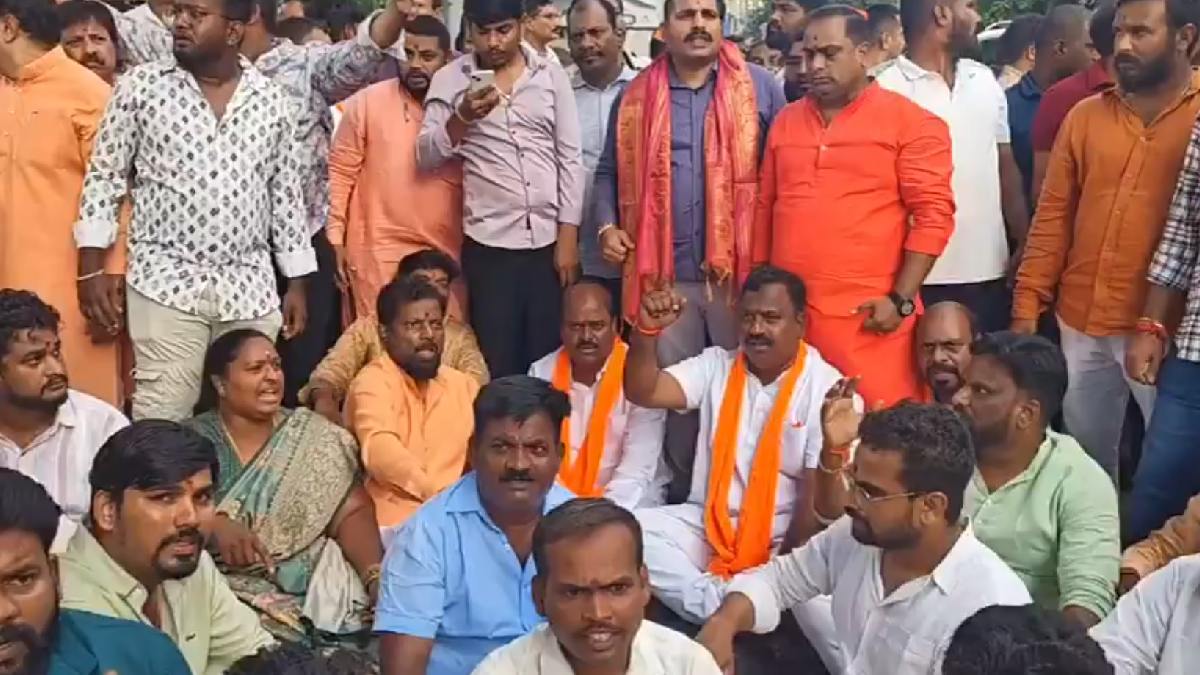
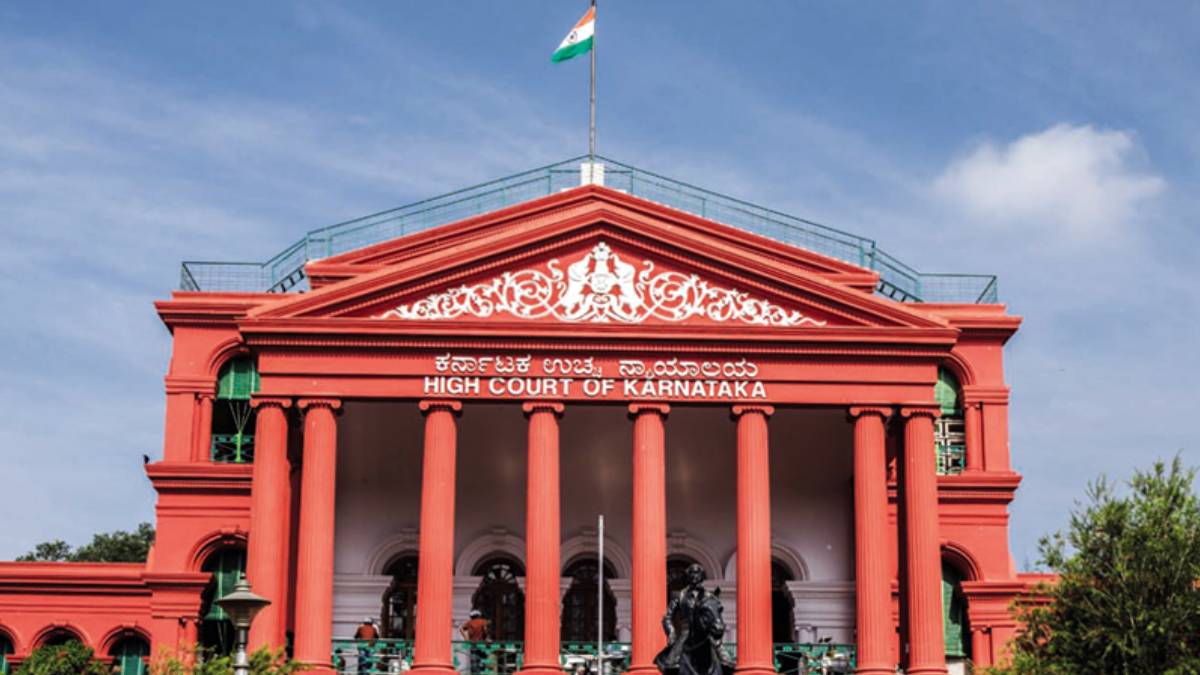
The Special Investigation Team (SIT) investigating the theft and embezzlement of donations at the Ram Temple in Ayodhya will present its chargesheet by September 25, after the Supreme Court. The investigation is into donations and valuables offered by devotees at the temple complex.
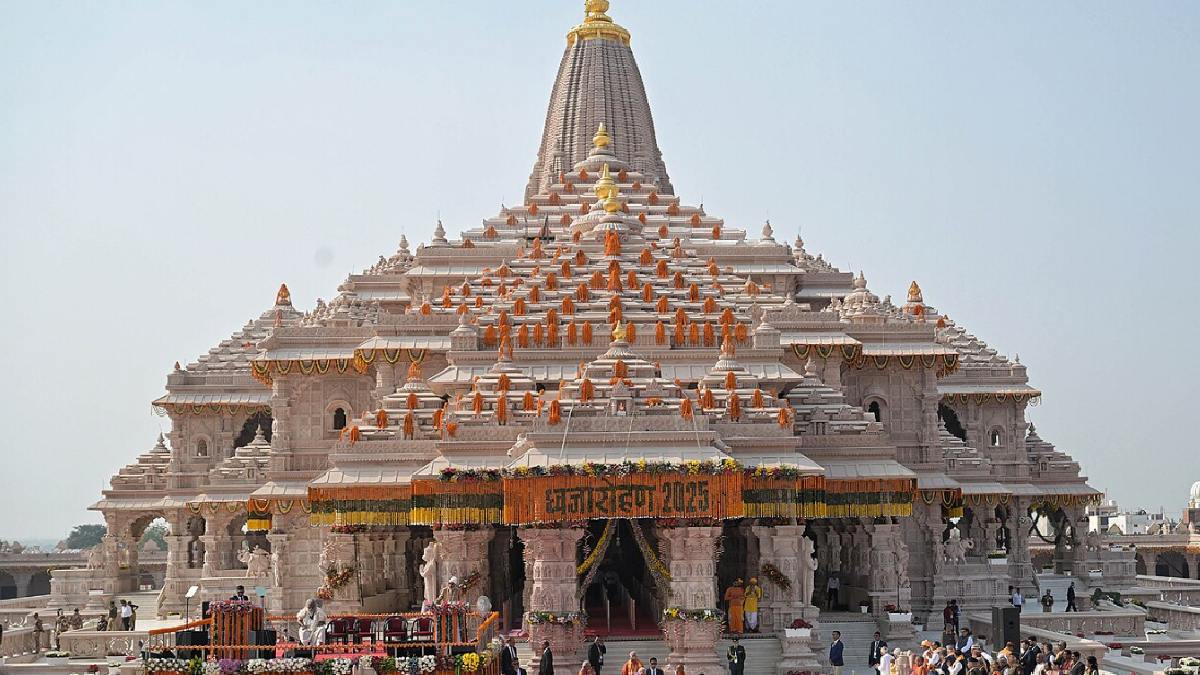
The Supreme Court was informed about the progress of the investigation, with the SIT submitting that it had gathered enough material to proceed with the chargesheet. It allowed the investigating team to present the chargesheet to the trial court within the stipulated period. This marks the third stage in a case being closely watched by the courts since allegations of irregularities in the delivery of temple offerings came out earlier this year.
Eight People Arrested in Case
So far, eight people have been arrested in connection with the case. The FIR registered by Ayodhya Police following the SIT's recommendations named Avinash Shukla, Anukalp Mishra, Lavkush Mishra, Manish Kumar Yadav, Karunesh Pandey, Ramashankar Mishra, Subhash Srivastava, and Ram Shankar Yadav alias Tinnu.
The charges include theft, criminal breach of trust, receiving or concealing stolen property, criminal conspiracy, and acts in furtherance of common intention. The FIR also invoked provisions of the Bharatiya Nyaya Sanhita and the Prevention of Corruption Act. The allegations are still under judicial investigation, and guilt can only be established through the legal process.
The Uttar Pradesh government had formed the three-member SIT in June following a request for an investigation into alleged irregularities involving donations and offerings made by devotees. The probe then looked into the temple’s donation-counting procedures, CCTV footage, financial transactions, and other records.
CCTV and Financial Records Examined
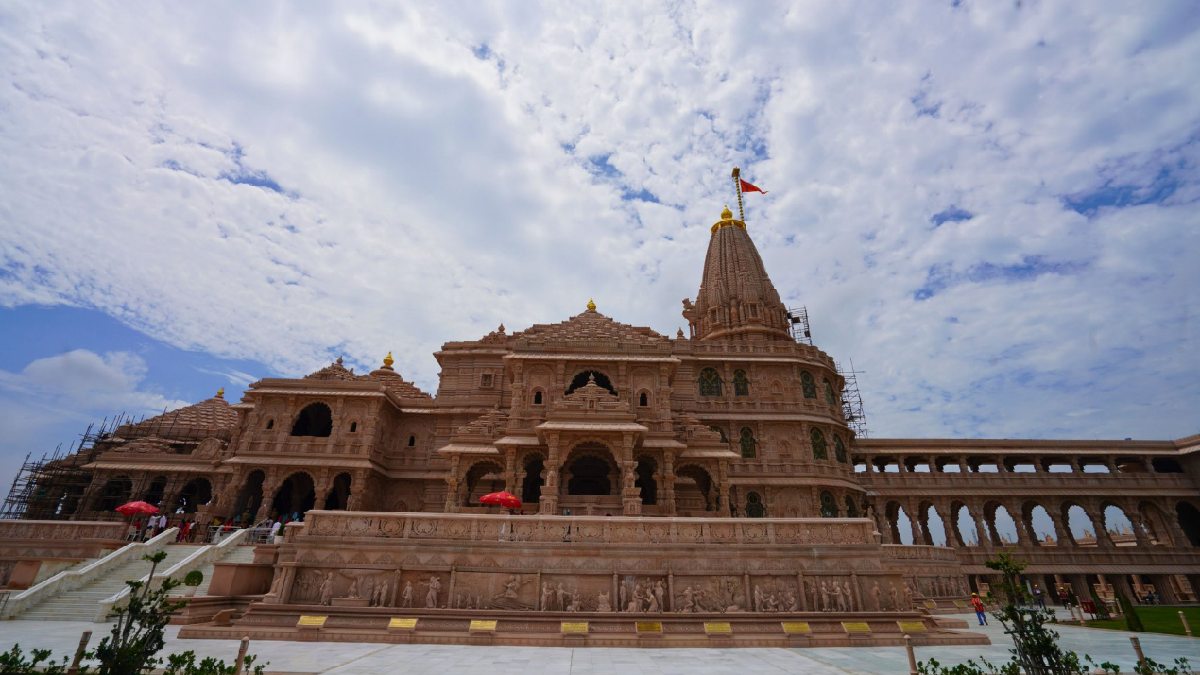
The largest part of the investigation has been focused on the way cash donations were counted inside the temple complex. CCTV footage and other material were examined to trace the sequence of events and identify the alleged roles of those arrested.
According to earlier SIT findings reported by the media, investigators reviewed footage from the donation-counting area and used it alongside bank transaction records, recovery documents, and witness statements. The preliminary investigation had also examined the financial activity of the accused and recoveries of cash and valuables.
Investigators also increased their financial scrutiny during the investigation. Police also probed bank accounts of the accused and their relatives in an attempt to track movement in money, reports said. The investigation also examined properties, cash transactions, and other financial records of people detained in the case.
Investigation Also Covered Temple Procedures
The case was not limited to the arrested people. The investigation also looked at the systems used to collect, count, transfer, and deposit donations.
Earlier reports said the SIT researched security arrangements, employee verification, CCTV monitoring, and supervision of the donation-counting process. Investigators also looked into whether procedural gaps could have allowed irregularities to occur.
The investigation later widened to cover other aspects related to the temple’s financial and administrative operations. The report in July said investigators were looking into temple staff, Trust-linked people, and banking officials, and also the financial transactions and other records.
SIT Submitted Final Report In August
The investigation reached another stage in August when the SIT submitted its final report to the Uttar Pradesh government. The Home Department then forwarded the report to the Shri Ram Janmabhoomi Teerth Kshetra Trust for necessary action.
The chargesheet will now formally place the evidence gathered during the investigation before the trial court. The court proceedings will determine the evidence that is assessed and whether the accused is proven guilty.
The Supreme Court has also left open the possibility of further investigation. That means the chargesheet doesn’t mean the investigation is over if other material or circumstances arise.
What Happens Next?
When the chargesheet is filed, the trial court will review allegations and evidence provided by the investigating agency. The accused will be able to challenge the prosecution’s case through the judicial process.
The case has attracted much attention because there are donations made to one of India’s best-known religious sites by devotees. So the investigation has focused on not only the alleged conduct of the arrested people but also on the systems employed to handle and account for temple offerings.
With the SIT due to present its chargesheet by September 25, the case is now moving towards the next stage of judicial proceedings. CCTV evidence, financial scrutiny, recoveries, and witness statements will be part of the material placed before the trial court. The final determination of responsibility will be with the judiciary.