Bangkok’s ongoing struggle with severe flooding: An In-Depth Look at Kheha Rom Klao.
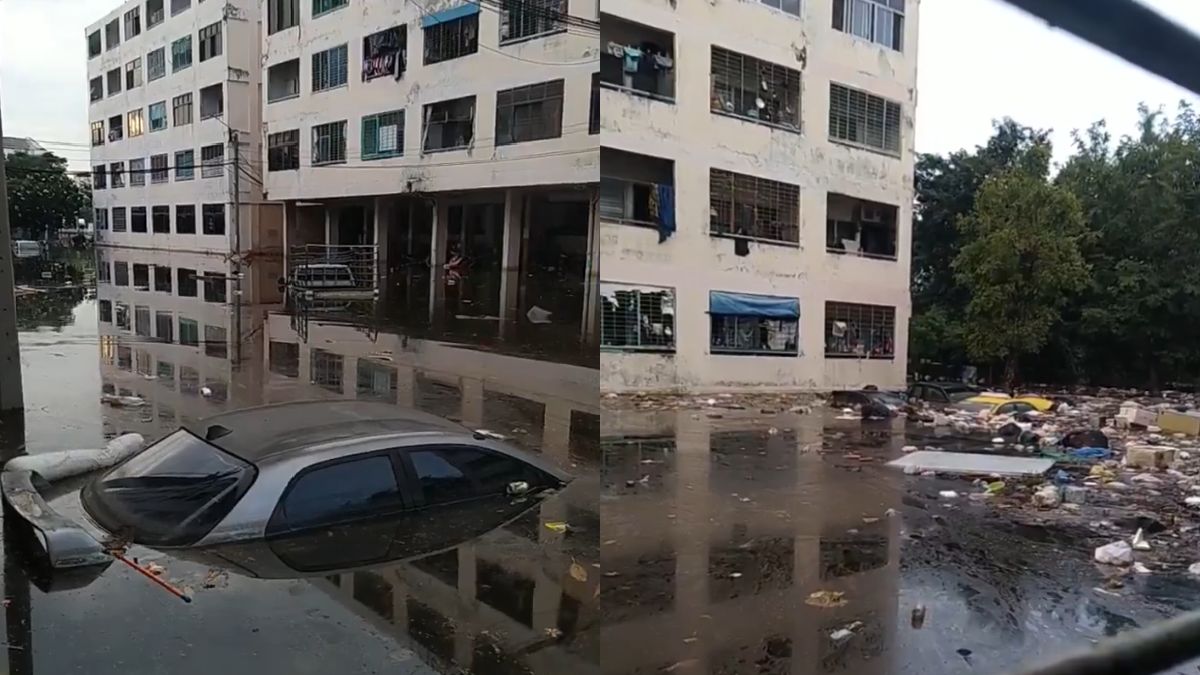
Bangkok is currently coping with the aftermath of torrential rains that have flooded many parts of the city. Kheha Rom Klao is one of the most affected neighborhoods and a place that is still creating concern for residents and the authorities in the city.
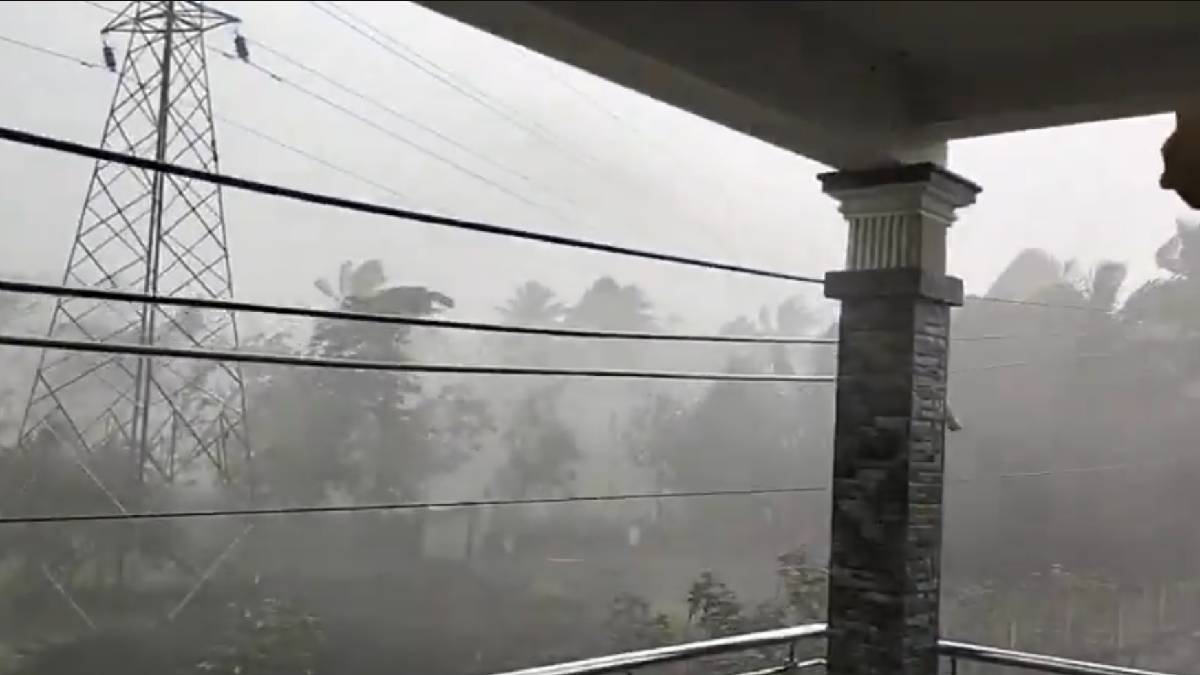
It has led to extremely high water levels through many parts of the city, especially in flood-prone districts, which have been inundated by heavy rains. The heavy rainfall has halted transportation and has disrupted life for many people who are trapped in difficult and dangerous weather.
The recent flooding event occurred in a torrential, continuous rain that pummeled Bangkok and its surrounding areas. The volume of water that arrived in such a short time period put a huge strain on the city's drainage system that simply couldn't cope with the volume of water.
Although the rain has eased out in some places, water levels are not going down quickly everywhere, and for some areas (especially in the poor areas) heavy waterlogging is still happening.
Kheha Rom Klao in the eastern part of Bangkok has been particularly hit by the flooding. This neighborhood is in a low-lying area and it’s close to canals and drainage channels. So floodwater can remain in the area for some time after heavy rain with the local population suffering.
As Kheha Rom Klao is experiencing a situation of severe flooding, roads and residential areas are inundated and people are not able to go through their neighborhood. The standing water has made transportation very difficult and emergency teams and drainage crews are working hard to keep the water away and to get water out of the areas that are inundated.
The effects of flooding go much beyond just transportation difficulties. Residential areas, businesses, vehicles, and people’s property are at risk when water remains stagnant on the streets for a long time. Many residents will have to wait for water levels to drop before they can safely begin the arduous process of cleaning up and assessing the damage to their homes and livelihoods.
In videos from social media and news agencies, the extent of the waterlogging problem is clearly seen - streets saturated with floodwater even as conditions in other parts of Bangkok improve. The visual evidence illustrates the hard situation many communities are still facing post-natural disaster.
The recent flooding crisis was precipitated by an unprecedented deluge that overwhelmed the drainage systems scattered throughout multiple districts in Bangkok. Many thoroughfares were submerged, and thousands of residents found themselves affected by the rapidly rising waters.
Since the city is built on low-lying land, many areas are at risk of flooding. The wide-ranging network of canals and drainage channels designed to divert rainwater away from populated areas can become overwhelmed during periods of intense rainfall.
When heavy rain is concentrated over a period of time, the drainage systems are simply unable to handle the volume of water. High water levels in the canals may also hinder the flow of floodwater, making it even more difficult for affected areas to recover.
After some areas of Bangkok have managed to overcome flood-related issues, recovery is still patchy and inconsistent. Most of the roads have been reopened and some of the areas are now passable again, but certain areas like Kheha Rom Klao still have a lot of standing water.
The disparity highlights the problems experienced by residents as water may stay in roads and residential areas after the rain is over even when pumping and drainage operations are up to a certain level.
Pumps and other specialized equipment are on site and water is being pulled out from inundated areas to make it clear. Emergency response teams are also working hard to help people in areas where there is much less or no access due to flooding. But, the clean-up and recovery process will take time in areas that have had floodwater sitting for many days.
As the floodwaters finally begin to recede, residents will confront a new phase of the crisis: the daunting challenges of cleanup and recovery. The aftermath of flooding leaves behind not only standing water but also mud, debris, and waste, which can complicate efforts to return homes and businesses to their pre-flood conditions.
Floodwater can damage essential electrical equipment, furniture, and personal belongings, necessitating significant time and resources for residents to assess the full extent of the damage and safely restore their properties.
📍Bangkok ,Thailand 🇹🇭
— sustainme.in® (@sustainme_in) October 1, 2026
Kheha Rom Klao Still Flooded as Rubbish and Foul Water Build Up
Vids via Supattra Seeboon on Facebook
(3/2)#bangkok #thailand #heavyrain #climatechange #Elnino #flooding #thailandFloods #floodinginthailand#climatecrisis #climatenews #bangkapi… pic.twitter.com/fcjq0vWntB
One more concern arises from the accumulation of rubbish and debris that can be swept along by moving water, which eventually ends up in roads, drains, and residential properties. Clearing this refuse will greatly aid in the rebuilding of the affected neighborhoods and return to normalcy.
As if the current flooding challenges were not enough, there is the continuing fear of more heavy rain which complicates recovery efforts. If more heavy rainfall occurs before the existing floodwaters have fully subsided, water levels may increase again and make recovery even more difficult and exacerbate problems that the residents are facing.
Local authorities are on the watchlist, keeping track of rainfall patterns, drainage conditions, and water levels throughout Bangkok. Residents in impacted communities are also being watchful of the situation and keeping informed through local warnings and updates regarding the evolving situation.
Kheha Rom Klao's immediate focus is to reduce the water levels and to keep people safe on roads and in their homes. For residents, the longer floodwaters linger, the harder it is to get back to normal life and reclaim their neighborhoods.
The flooding crisis in Kheha Rom Klao is emblematic of a larger and more complex challenge that Bangkok faces as the city struggles to respond to intense rainfall and persistent waterlogging. While emergency measures have succeeded in improving conditions in certain areas, the ongoing flooding in low-lying neighborhoods underscores the significant difficulties associated with rapidly draining large volumes of water.
As authorities maintain their pumping and drainage operations, residents anxiously await the day when water levels will finally recede enough to allow for safe movement and comprehensive cleanup efforts to commence.
The situation in Kheha Rom Klao serves as a poignant reminder that the effects of extreme rainfall can reverberate long after the rain itself has ceased. For those residents still surrounded by lingering floodwaters, recovery will hinge on the continued efforts of drainage teams, stable weather conditions, and the restoration of essential services.
With water levels remaining high in various parts of Kheha Rom Klao, Bangkok's flood recovery remains an ongoing and evolving process. Authorities and residents alike will continue to monitor the situation closely as the city endeavors to return affected communities to a state of normalcy and resilience in the face of a changing climate.