Syria's former president Bashar al-Assad has been sentenced to death in absentia for crimes related to Syria’s 14-year-long war, as the country’s government is trying to hold senior members of the former regime accountable for the war.
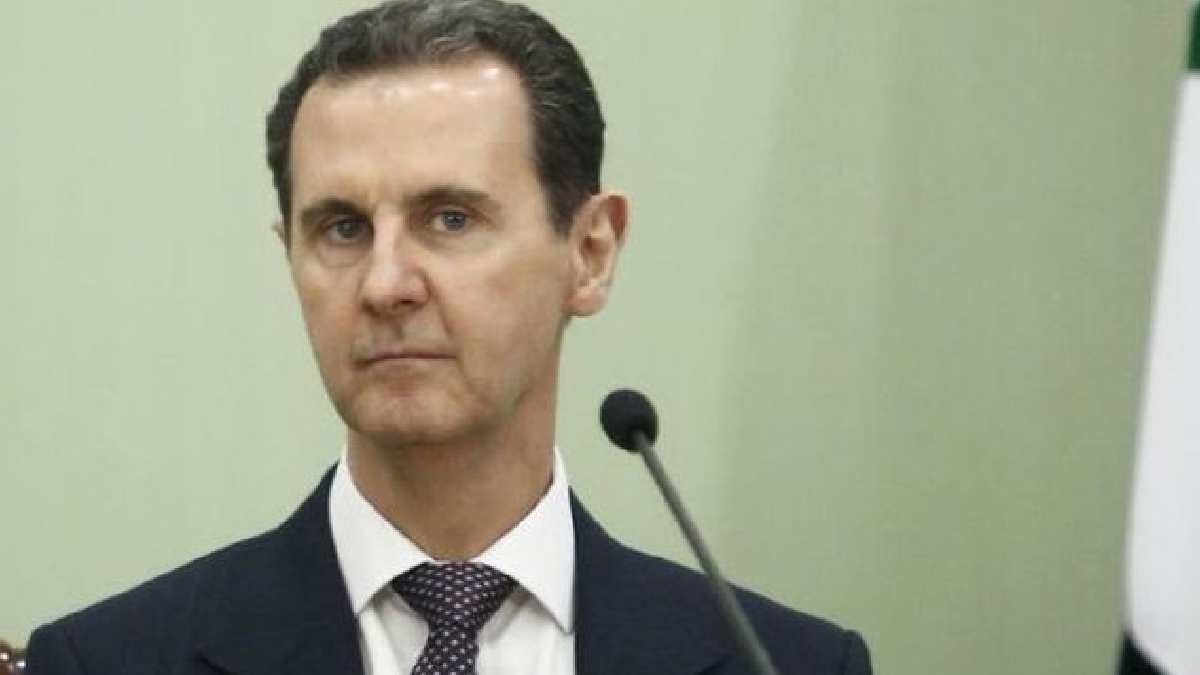
The verdict, which was delivered on August 11, 2026, targets Assad for killings, torture and other serious abuses he committed during his reign. Assad wasn’t at the court. He fled Syria when opposition forces seized Damascus and has since been living in Russia.
His younger brother, Maher al-Assad, was also sentenced to death in absentia. Maher was a powerful military figure at the time and was closely linked with military operations of the government.
Atef Najib, Assad’s cousin and former head of the Political Security Branch in Daraa, was also convicted and sentenced to death. Najib was present at the court hearing when he was captured and prosecuted in Syria.
A landmark case for post-Assad Syria
The ruling is among the most important judicial actions against senior officials in the Assad government since the dictator’s regime fell in 2015. Syria’s conflict started in 2011 after protests against Assad’s government, and it has developed into a bloody civil war involving numerous domestic and foreign forces.
The war caused immense human misery and over 500,000 people were estimated to have died during the course of the war, and millions more were displaced from their homes.
Torture, unlawful killings, arbitrary detention and other abuses were reported by human rights groups and international investigators throughout the Assad government period.
The verdict could, for victims and their families, be a huge symbol of accountability. Yet at the same time, the case challenges Syria’s legal system to be able to hold accountable for crimes committed in the past and how it will balance domestic prosecutions with international standards.
Assad Remains Outside Syria
The death sentence against Bashar al-Assad is complicated by his absence from Syria. According to reports, Assad and Maher fled to Russia after opposition forces entered Damascus in December 2024. Without their return or transfer, the sentence cannot simply be carried out.
The verdict therefore has both legal and political significance. But while it provides an official judgment against one of Syria’s most powerful former leaders, questions persist on the enforcement, extradition and the whole transitional justice process.
The case is likely to continue to be closely watched as Syria deals with decades of authoritarian rule and the destruction of its civil war. Assad and other former regime figures’ convictions could set a template for future prosecutions and victims’ rights to justice.