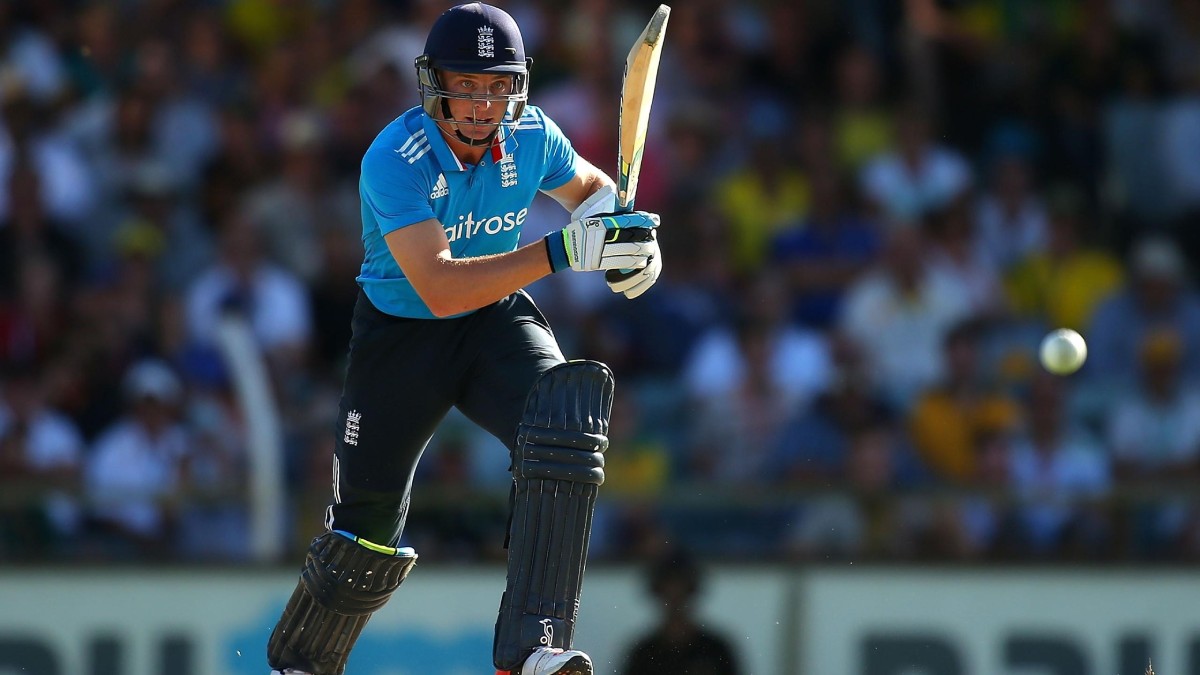
Jos Buttler made history during England’s second ODI against Sri Lanka at Headingley when he hit a landmark that no other England batter had ever achieved before. England lost the match to Sri Lanka by 16 runs but Buttler’s immense innings took England to the 10,000-run mark in One-Day Internationals and T20 Internationals.

The England wicketkeeper-batter made 69 in just 49 balls and hit five fours and five sixes in his time on the ground. His aggressive knock not only kept England in the chase for a considerable period but also took his ODI and T20I tally to 10,000 runs.
Jos Buttler becomes first England batter to reach 10,000 runs.
Buttler came into the game with only a few runs to get to the mark. He finally got there in style, and continued a career that has seen him become one of England's most successful white-ball batters.
According to the figures given, Buttler's total is now 5,678 runs from 204 ODIs and 4,384 runs from 163 T20Is. That’s over 10,000 runs in the two formats.
That places Buttler in a unique position in English cricket. England has produced many prolific batters over the years but Buttler is the first Englishman to ever reach the 10,000-run mark when ODI and T20I performances are put together.
His record also shows the longevity of his international white-ball career. Buttler has been a crucial batsman for England in both formats, and a wicketkeeper.
Buttler among England's Leading ODI Run-Scorers
Buttler’s latest landmark also increases his place among England’s most successful ODI batsmen. The wicketkeeper-batter has 5,678 runs in the 50-over format, third among England’s top ODI run-scorers according to the figures provided.
Joe Root leads England’s ODI run-scoring charts with 7,885 runs from 194 matches, while former England captain Eoin Morgan is second with 6,957 runs.
Buttler’s position is special in that his career has been throughout England’s white-ball history. The fact that he has contributed consistently both in ODIs and T20Is has allowed him to make his total now exceed 10,000 runs.
Buttler’s 69 Keeps England In The Chase
The historic moment took place in a very competitive chase against Sri Lanka. Sri Lanka had to score 321/6 from their 50 overs to get England a goal.
England initially came out strongly and appeared to be in the process of winning. The hosts were 251/4 at 37 overs and still well within reach of the required target with plenty of batting still available.
But Sri Lanka turned the game around in the latter stages of the innings. England began losing wickets as the pressure increased, and the required run rate kept rising.
Buttler's 69 had provided England with an important boost in the middle and late stages of the chase. His five boundaries and five sixes showed his trademark attacking approach and helped England remain in the game for a long time.
But once Buttler was dismissed, England's hopes of completing the chase weakened significantly.
Sri Lanka Hold Their Nerve
Sri Lanka's bowlers successfully defended their total during the closing stages. England finished with 305, 16 runs short of Sri Lanka's 321/6.
The result meant that Buttler’s landmark performance came on a night when England were unable to win. But his individual performance was one of the talking points of the match.
For Sri Lanka, the win was a sign that they were able to withstand England’s strong middle-overs response and apply pressure in the final stages of the chase.
A Major Milestone For Buttler.
But Buttler will know this match is an important one in his international career. More than 10,000 runs in ODIs and T20Is and he is the first England batter to do so.
But Buttler becomes a main figure in white-ball cricket in England. His speed of scoring in limited overs cricket makes him one of the country's most recognisable modern batters.
Although England’s 16-run defeat prevented the occasion from becoming a complete celebration, Buttler’s 69-run innings ensured that his name entered another chapter of England cricket history. His more than 10,000 ODI and T20I runs further evidence of his long-standing contribution in two of the main white-ball formats of cricket.