Bolivia has entered a new era of political and social unrest after President Rodrigo Paz declared a nationwide state of emergency, ordered military forces to remove road blockades that have paralysed much of the country for more than six weeks. So this is happening, and we are getting more and more desperate for food, fuel and medical supplies and more pressure on the government to get back to normal.
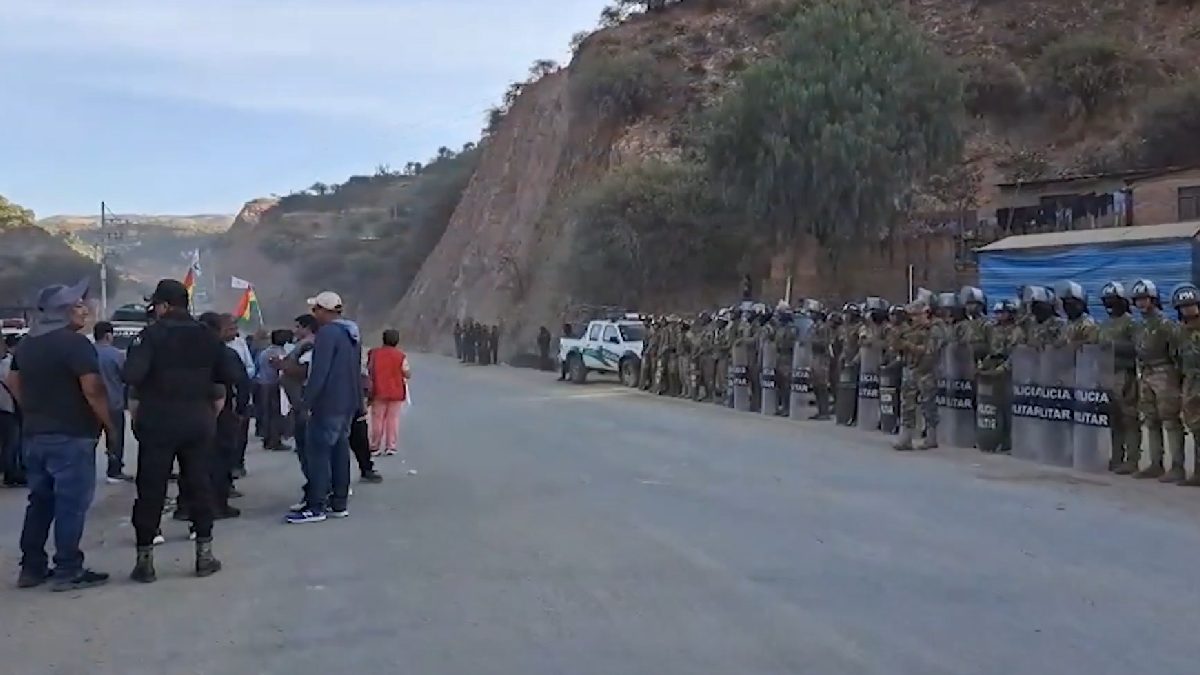
President Paz said in a nationally televised speech to the nation that the government could no longer sit idly by as disruption has affected daily life and economic life. The blockades had gone beyond peaceful protest and were threatening public order, national security and the supply chain of essential goods, he said.
The anti-government protest began about 50 days ago, but was driven by anger over economic reforms, particularly the reduction of fuel subsidies. Many local groups, labour groups, farmers, indigenous organisations, and supporters of former president Evo Morales say the government is making living conditions worse by raising inflation, shortages and economic uncertainty.
The road blockades on highways are so much of the main highways have disrupted transportation services, which has led to the closure of fuel tankers, food and medical equipment, as well as fuel tankers, food supplies and medical equipment and transport systems. Most of the major cities, such as La Paz and El Alto, have been hit by road blockades and long lines of people waiting for basic goods, which is causing great frustration among people.
With the emergency decree, security forces are now allowed to clear blocked roads and secure strategic infrastructure. Military forces have been deployed in many places to police operations in several areas, like the central department of Cochabamba, where resistance has been the strongest. The government says the measure is necessary for the free movement of people, and access to key services is guaranteed, and the roads are open to the public and necessary.
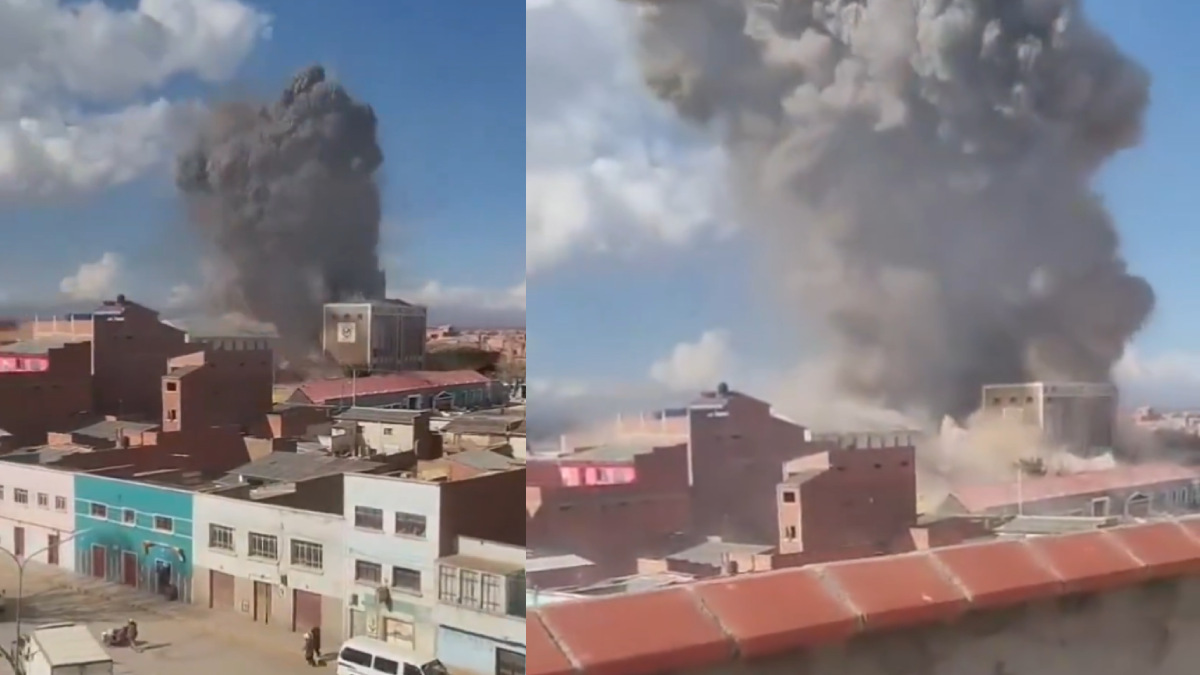
The continued unrest has resulted in multiple deaths, dozens of injuries and hundreds of arrests, official data indicate. People who continue to block highways or commit violence will be held liable or will be arrested.
Although recent negotiations between the government and the powerful Bolivian Workers' Central (COB) have been held up, most of the protest groups have rejected the agreements that have been signed and still demand larger economic reforms and the resignation of President Paz, in some cases. Indigenous and rural organisations are among the most vocal critics of the administration’s policies.
The declaration of emergency follows legislation approved earlier this month that gave the government more authority to use military support during severe internal unrest. Government officials insist constitutional rights remain intact, but some say an expanded use of security forces will only escalate the tension and deepen political divisions.
Bolivia has been at the precipice of one of its most serious political crises in recent years, and now it is of prime importance to see if the emergency measures will restore critical transport connections and alleviate shortages, or whether they will lead to more confrontations between protesters and the state. Economic problems remain untackled, and long-term stability will result from political dialogue, not just “the economic crisis and the conflicts,” said analysts.