A shocking smartphone theft in Brazil has revived fears about security in mobile banking after a car content creator was reportedly attacked by a thief in traffic. The whole theft took only a second to get away from her, she said.
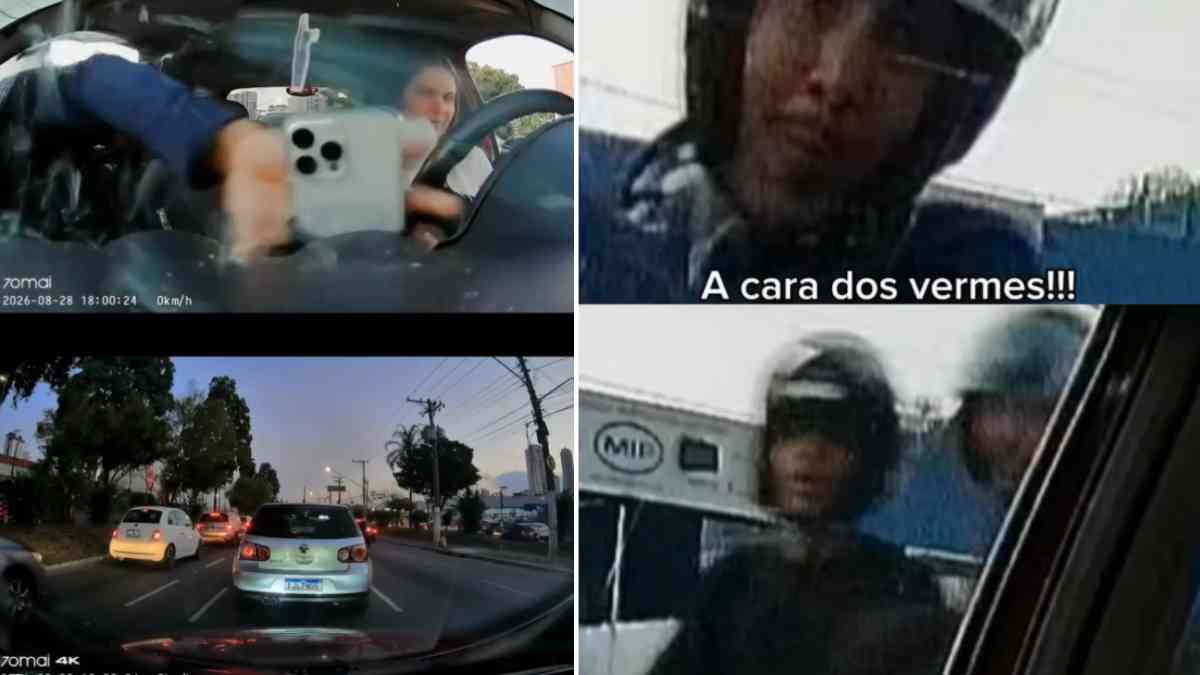
The incident occurred when the creator Tabata was in her car in traffic. The thief had sneaked in quickly, attacked her and grabbed her iPhone, she said, and fled.
The speed of the theft apparently left Tabata unable to understand what had happened for several moments. Once she found out her phone had been stolen, she broke down and began crying.
But the most worrying part of the incident occurred afterward.
In addition to that, the thieves were also able to transfer money from Tabata’s bank account by using the stolen iPhone, the police said. What was most puzzling was that the phone thieves did not know her phone password. They also did not have access to her facial-recognition authentication or a password to make bank transfers.
So how did criminals acquire access to financial applications and make transactions despite the security of the device and the accounts?
After the theft and the unauthorised financial transfers, Tabata filed a complaint with the police, the report said. The police were now investigating the situation and began by trying to track and use the stolen iPhone as part of their investigation.
The case has made smartphone theft and digital banking more prevalent. Mobile phones these days typically allow us to have access to personal information, payment applications, social media accounts, and banking services. A stolen device can therefore be far more valuable to criminals than the physical handset.
Brazil has also experienced organized groups targeting motorists caught in traffic. In such cases, criminals reportedly approach vehicles stuck in congested areas and steal smartphones or other valuables through open windows or by breaking vehicle windows.
Traffic congestion can make such crimes particularly difficult to prevent. Drivers can do nothing to catch the suspects as the surrounding cars are so crowded that there is little room for them to move. Criminals can escape through gaps between cars or on nearby streets so fast that they can escape quickly from the area.
The attack on Tabata was thus also similar, the thief taking advantage of the vehicle being stationary in traffic. The alleged one-second theft illustrates how quickly such crimes can take place and give victims little time to react.
The subsequent bank transfers have made it even more concerning. Although the exact method the thieves employed has not been established so far from what is known now, the incident does not go without pointing out that smartphone and banking applications need to check security settings.
Experts suggest smartphone users activate strong device passcodes, enable additional authentication for banking applications, and avoid storing sensitive passwords in easily accessible locations. Users should also call their bank and mobile service provider if a phone is compromised and report the phone theft to the police immediately, the experts recommend.
🚨 Brazil iPhone Theft Takes a Shocking Turn!
— Saptashwa TV (@SaptashwaTV) August 31, 2026
Brazilian car content creator Tabata was reportedly attacked while stuck in traffic, with a thief snatching her iPhone in just one second.
But the bigger shock came later — criminals allegedly transferred money from her bank account… pic.twitter.com/T7BoxhoOst
The Tabata case is just one example of how losing a smartphone can have far greater consequences than just the loss of the device itself. These days, banking, payments and personal information are tied up with mobile phones, so criminals will want to take advantage of smartphones for resale but also for access to digital accounts.
The investigation into the theft and the alleged unauthorised transactions should further illuminate how the criminals were able to access the financial services despite the security protections reported to be in place.
When we see that people are stealing phones from drivers in the area where they live and stealing vehicles from them, the car attack is also a warning to be mindful of while driving and to keep valuable devices out of sight whenever possible.