Jammu and Kashmir Food and Drugs Administration (FDA) has taken action against 10 batches of ghee after laboratory tests revealed they were sub-standard, unsafe or misbranded.
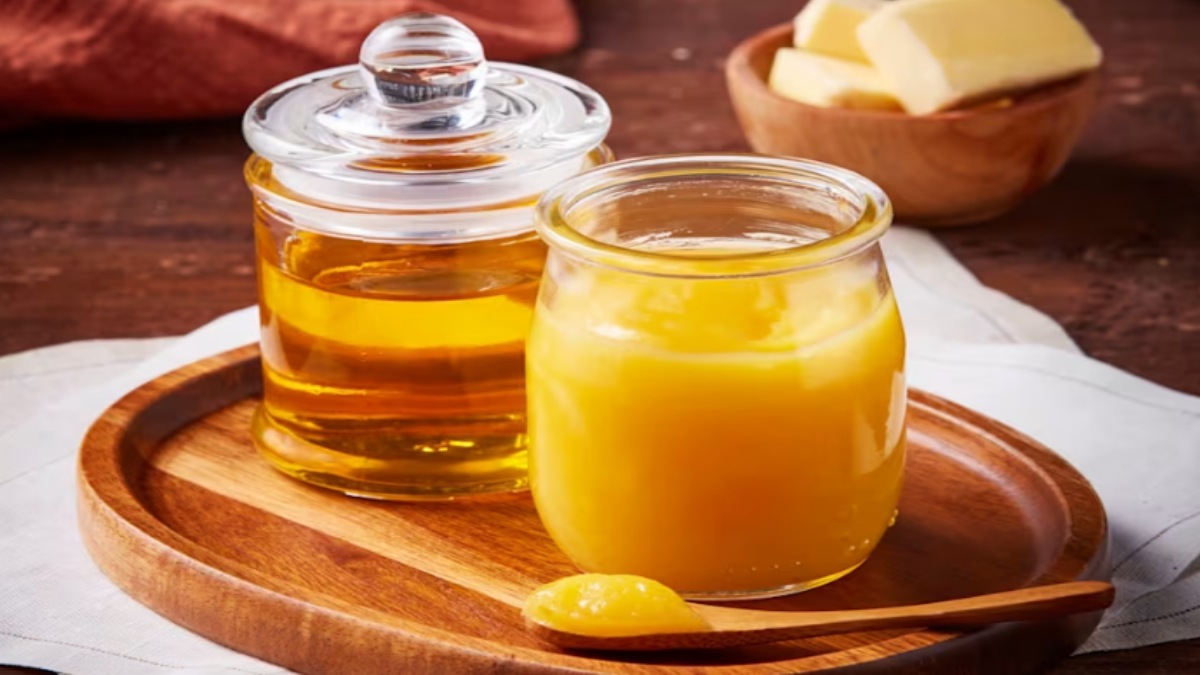
The regulator has banned the sale, storage, distribution and display of the affected batches in the Union Territory to protect consumers and prevent products that do not meet food safety requirements from being made in circulation.
The action was taken under the Food Safety and Standards Act, 2006, after the samples were collected from different places across Jammu and Kashmir. The samples were evaluated at the National Food Laboratory in Ghaziabad and at the Food Testing Laboratory in Kashmir. The testing process formed the basis for the regulatory restrictions on the identified products.
According to the FDA report, samples were collected from Anantnag, Shangus, Larnoo, Bijbehara, Samba, Kathua, Jammu, Tral and Pampore. The geographical spread of the sampling indicates that food safety enforcement was carried out across many locations rather than being limited to a single market or district.
The 10 ghee batches identified by the regulator are:
- Dairy Mohan Desi Ghee, Batch 05
- Apna Dairy Milk Desi Ghee, DM-06
- Milk Bite Cow Ghee, Batch 137
- Nandni Desi Ghee, ND-28
- Shahi Taj Desi Ghee, Batch 134
- Daawat Fresh, VT09
- Nand Krishna Cow Ghee, PC-05-26
- Vandu Cow Ghee, D143
- Dairy Milk Desi Ghee, OM12
- Mohan Dairy Ghee, Batch 06
There were reported deviations from the standards for ghee during laboratory tests. Among the findings reported by FDA were beta-sitosterol or foreign vegetable fat levels, positive Baudouin tests and abnormal fatty acid profiles. These findings led to a restriction of the flow of the identified batches.
The move is significant because ghee is a widely consumed dairy product in Indian households. It is used in cooking, frying, traditional food preparation and religious or cultural functions. Consumers are used to ghee being marketed as milk-based fat and that makes any product that is labeled as ghee potentially unsafe.
The FDA has directed food business operators (wholesalers, distributors and retailers) to stop the sale and distribution of the affected batches immediately. Sellers are also instructed to remove the identified products from circulation so that they are not inadvertently purchased or consumed by customers.
Food business operators who are dealing with the affected stock have also been told to disclose details of the prohibited batches to the officer within 48 hours, they said. And the requirement is supposed to enable enforcement authorities to track the products and where the affected stock has been distributed.
The regulator also recommended vigilance to ensure that the prohibited products do not return to the market. This kind of monitoring is very important for food safety enforcement because products in the supply chain already supplied and stored at some point in the supply chain can still be maintained in shops or in warehouses, even if they are identified and withdrawn.
The FDA has stressed that food safety standards prescribe specific requirements for products sold as pure ghee. According to the food safety standards, ghee must be made from milk or milk products. Material that is not made from milk fat is not allowed in a product sold as ghee under the food safety requirements.
So the laboratory results were crucial to the decision to prohibit the identified batches. The regulatory action is directed only at batches mentioned in the order and should not be regarded as applying to all products made by the companies or brands mentioned. When buying products at home or in stores, the batch numbers should be noted.
The episode also illustrates the necessity of food testing laboratories to keep the packaged food industry standards high. Analysis of food products can help authorities to find the ones that do not meet the composition, quality or labelling standards. Regulatory action based on this testing can stop non-compliant products from emerging to any other market.
The development is a reminder to consumers to look in close attention to food packaging before purchasing dairy products and other packaged foods. When a regulator has said a product is in question, batch numbers, manufacturing information, expiry dates and other details on labels may help shoppers identify products.
Food safety agencies in India regularly conduct sampling and testing as part of enforcement activities. These inspections aim to ensure that food businesses comply with food safety standards as per the country’s food safety framework. If a product is found to be failing to pass the tests, it can be recalled or prohibited and the enforcement is taken up to some extent as the product is recalled and/or other enforcement actions are conducted.
J&K FDA’s latest action highlights the role of regulatory monitoring in food quality in the local market. By identifying batches and calling on businesses to pull them out, regulators are trying to cut the flow of products that laboratory testing found did not meet appropriate requirements.
And the food supply chain must also be accountable. Manufacturers, distributors, wholesalers and retailers have to make sure food products are in line with the standards before customers can buy them.
As enforcement authorities continue to monitor the market, food business operators in Jammu and Kashmir will need to comply with the directions on the 10 prohibited batches. Anyone who may have bought any of the identified products can check their packaging and batch numbers against the regulator's information.
Finally, the decision by the Jammu and Kashmir FDA is a testament to laboratory testing, regulatory oversight and timely action by the government to protect food quality. With 10 identified batches of ghee being prohibited from sale, storage, distribution and display, authorities are trying to stop the spread of products with testing shown to be not in compliance with food safety laws.