Captain Ibrahim Traore, a thirty-eight-year-old army officer who took power after a military coup in 2022, is one of the most popular and well-known politicians in Africa. Traore's popularity is known to all the world, as a symbol of national sovereignty and a fighter against foreign power. His broad appeal is directly linked to frustrations that have been building in many African countries for years about longer foreign military interventions, economic dependency on foreign power and political elites who are completely disconnected from ordinary people.
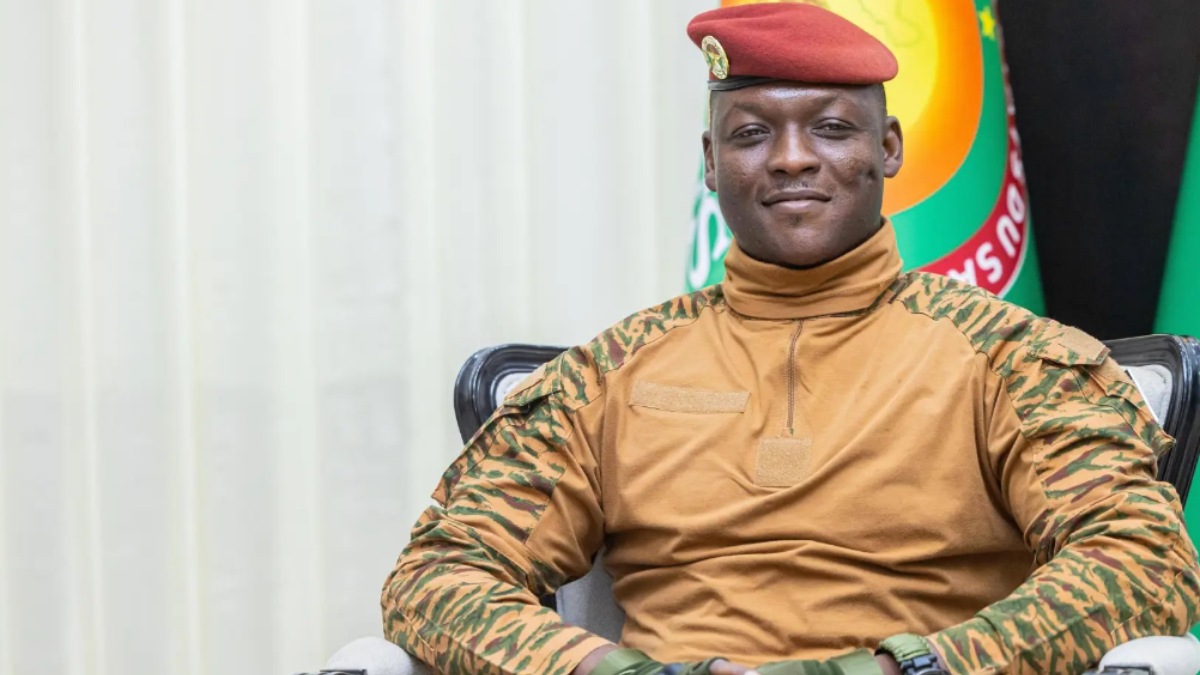
Since winning power, Traore has pursued a national self-reliance policy which has been a unique one: to expel French military forces and close strategic ties to Russia, to make agriculture more efficient and to focus on domestic manufacturing. Traore is able to use the powerful ideology of former revolutionary leader Thomas Sankara, who governed from 1983 until his tragic death in 1987, to present himself as a modern anti-imperialist advocate and as opposed to the old world. Security experts say that these strong structural moves have resonated with a population tired of the failed under-resourced, foreign-backed security structures that have been in place for so long to slow the expansion of regional armed groups so far.
But there is a stark difference between Traore’s ubiquitous global fame and the difficult and challenging realities that are actually happening in Burkina Faso. A deep-seated, decade-long security crisis of extremist groups linked to al-Qaeda and ISIL is still very much hurting the country. Although government officials stress successful military operations and the gradual recapture of strategic territories, the government’s security claims are hard to verify independently and the need for humanitarian assistance is still widespread from many human rights organisations.
As well as continuing security obstacles, Traore’s presidency has seen a tightening state control and a lot of control of democracy and civil liberties. The government has extended the military-led transition, dissolved established political parties, suspended political activity and put tight control over freedom of speech and religious organisations in the past few months. But the authorities maintain that all these dramatic, centralized steps are necessary to overcome a very high national security emergency and to begin a revolutionary transition. But citizens and international observers have been in heated debate on this and those are not to say that they cannot be ignored.
Such a strong, powerful message for real national autonomy over security, economic resources and political direction, as Traore has been able to deliver in the face of great political pressure in the world, has raised his political profile, but it is setting the bar very high for his presidency. As local youth leaders and civil society speak to us in many instances, we have to say, symbolic defiance and national pride alone cannot provide enough food or help feed families and protect vulnerable villages. The ultimate measure of Traore’s legacy will be so much about how well his big revolutionary visions can actually work to get Burkina Faso to live down to that sort of long-term safety, long-term stability and justice for the people who are the most vulnerable.