Children in some of China’s remote mountainous regions are starting their school year with a much safer and much quicker connection to the classroom. Instead of spending hours crossing long and dangerous cliffside paths, students can now use specially developed cliff elevators to make their daily commute much easier.
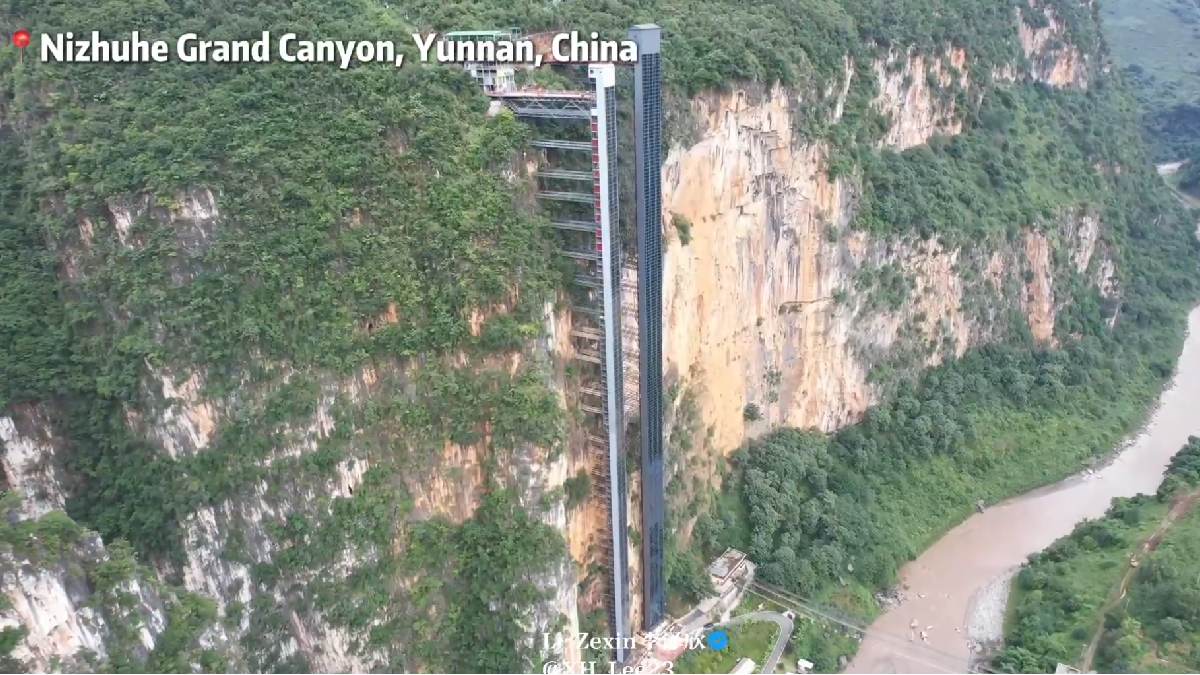
The unusual transportation system (which has been referred to online as a 'sky school bus') has attracted attention because of the extraordinary conditions children in mountainous communities face. For youngsters living high in rugged terrain, getting to school has been far more difficult than simply walking along a village road or taking a traditional bus.
Previously, children had to take around three and a half hours to climb and descend difficult mountain routes to attend school. The journey could be made of narrow paths, steep slopes and exposed cliffs, so it’s physically and potentially dangerous for young students.
The advent of cliff elevators has altered that routine. Rather than walking the whole dangerous route on foot, children can use the elevators to travel through sections of the mountainous terrain before continuing their journey toward school. What was estimated to take a couple of hours can now be completed in about 30 minutes.
The transformation has brought relief to families who have long been concerned about whether their child could attend school safely. For students, it means less time and energy is spent simply getting into the classroom—and more time for lessons, rest and normal childhood activities.
The story has also highlighted the challenges children who live in remote and geographically challenging places have to face in accessing education. If schools exist, children need a safe and practical way to get there. And in mountainous areas, geography can be a big problem—turning school commutes into an exercise on a daily basis.
Elevators, improved pathways and safer transportation can hence have an impact well beyond convenience. Such projects can also connect isolated communities with essential services and make it easier for children to continue their education without being exposed to unnecessary risks.
Images and videos of the young students on the elevated transport system have also touched an emotional response online. The children’s previous commute and their new journey are the focal point of many viewers’ attention. Students riding their way through dramatic mountain landscapes on a system that is meant to overcome the cliffs has been an emotional reminder of the importance of safe access to education.
For children, school should become a part of their daily life, not a test of stamina. And the transformation of these mountain communities shows that infrastructure can change how people live there. A trip that typically took several hours is reported to take only a tiny fraction of that time now because students can take a safer route to class.
Chinese kids in deep mountains are taking the "sky school bus" for their new semester!
— Li Zexin 李泽欣 (@XH_Lee23) September 1, 2026
Previously, they had to climb dangerous cliffs for 3.5 hours (00:15 in the video).
Now, they take the cliff elevators and get to school in just 30 minutes. Kids should be cherished. pic.twitter.com/XnW2rUbkKf
The “sky school bus” has thus become so much more than a new mode of transportation. It’s a way to bridge the gap between remote communities and educational opportunities. Heavy terrain is still a tough one, but innovative infrastructure can reduce it for the youngest members of those communities.
And as students start the new year, the shorter journey tells us that children living in even the worst conditions need safe roads, consistent access to education and the opportunity to learn without getting injured to get to school.
The story resonated with people because it's an easy but important lesson. Education should be available to any child, and getting to school should not be a life-threatening journey. The climb from a 3-and-a-half-hour cliff climb to a 30-minute journey for these mountain kids is not only a transportation upgrade but a major change to the daily life of this mountain school-going community.