China is forging ahead with one of the world’s biggest infrastructure projects—a $168 billion hydropower project on the Brahmaputra downstream. When it is complete, the mega dam is expected to be the largest hydropower project in history—and the engineering, environmental, and geological challenges are much bigger.
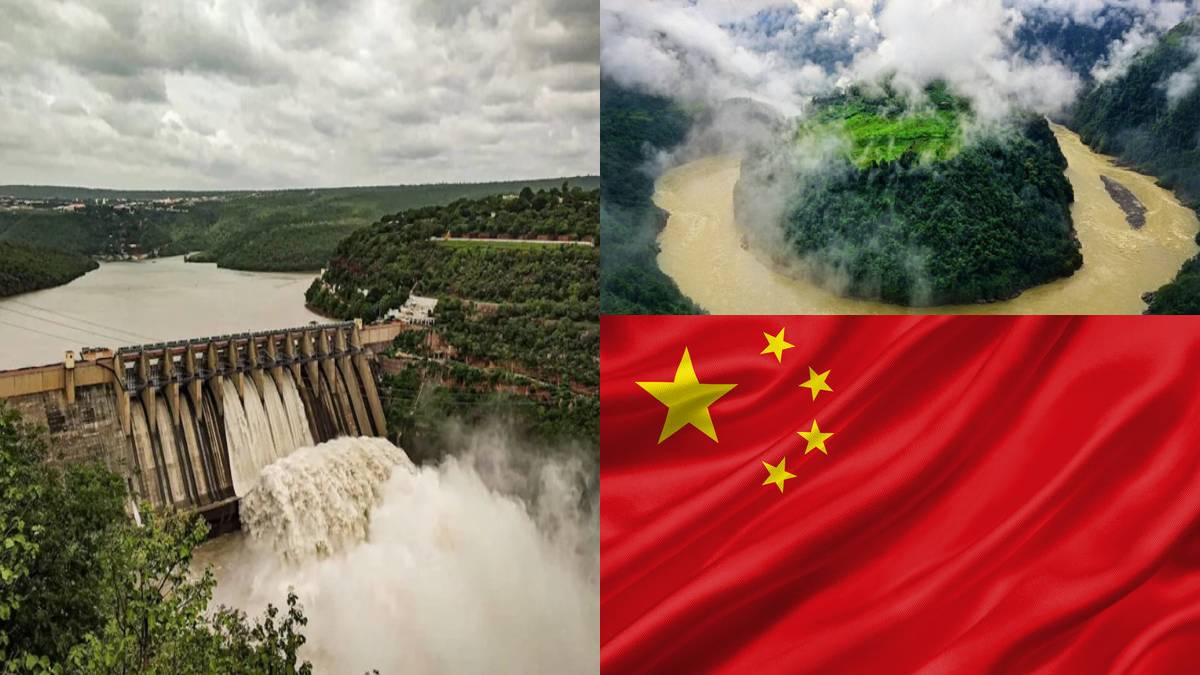
The proposed project is located in Tibet near the Great Bend of the Yarlung Tsangpo River, which makes a dramatic turn on the way to India as the Brahmaputra. The location offers a large hydropower potential because of its steep elevation drop, so China can produce much more electricity than existing mega dams such as the Three Gorges Dam.
Chinese authorities see the project as an important part of the country’s long-term clean energy strategy. The dam will substantially help China to minimize carbon emissions and create a good economic outlook for Tibet via infrastructure investment and security of energy.
But the project has also generated concerns in neighbouring countries, particularly India and Bangladesh, whose dependency on the Brahmaputra for agriculture, drinking water, fisheries, and livelihoods is also very high. For years, experts have debated whether upstream infrastructure on such an important transboundary river would have downstream effects on water flows, sediment transport, and ecological balance.
One of the most critical issues is the dam’s location in one of the most seismically active regions in the world. The eastern Himalayas are situated in the middle of the Indian and Eurasian tectonic plate boundaries, and thus are particularly prone to earthquakes. The earthquake risk of the project will be covered in all stages of construction and operation (as well as landslides and challenges in geological conditions).
The likelihood of major earthquakes has led some experts to question whether a project this large can still survive in the long run. Modern dam engineering has implemented seismic safety measures, but with the rugged terrain, unstable slopes, and the high level of tectonic activity, the region is an incredibly complex area.
Environmental organisations have also raised questions about the effect the project could have on river ecosystems, biodiversity, and sediment movement. Redirection of the river and water in the river system could affect aquatic habitats and downstream floodplains that depend on seasonal water and nutrient cycles.
China has said the project will primarily be for hydropower generation and will consider downstream impacts when developing it. Chinese officials have also stressed that the project is about renewable energy aims and not changing the sources of international water.
The Brahmaputra is a matter of economic and strategic importance for India. The river is a lifeline for millions of people in Arunachal Pradesh and Assam before it enters Bangladesh. Therefore, development of major upstream infrastructure is closely monitored by policymakers and security analysts in the country.
In addition to energy generation, the project has become part of the larger geopolitical picture between China and India. Water resources are increasingly seen as strategic assets, and large infrastructure projects on shared rivers often carry diplomatic implications as well as economic benefits.
As construction plans proceed, the project will be investigated to see if it can meet energy production, environmental sustainability, regional collaboration, and seismic safety standards. China’s Brahmaputra mega project is a gigantic engineering project that most people don’t know but will remain, ultimately, the one that will reap the long-term benefits because of the intricate geological, ecological, and geopolitical fault lines that surround it.