Trafficking of wildlife usually takes place in elephants, rhinos, or pangolins. But just lately the Kenyan government found a shocking case involving insects. A Chinese citizen has been arrested at Nairobi’s Jomo Kenyatta International Airport for trying to smuggle out over 2,000 queen ants from the country. This rare event reflects the way in which wildlife crime is increasingly sweeping to include species that are smaller and that have an important role in ecosystems.
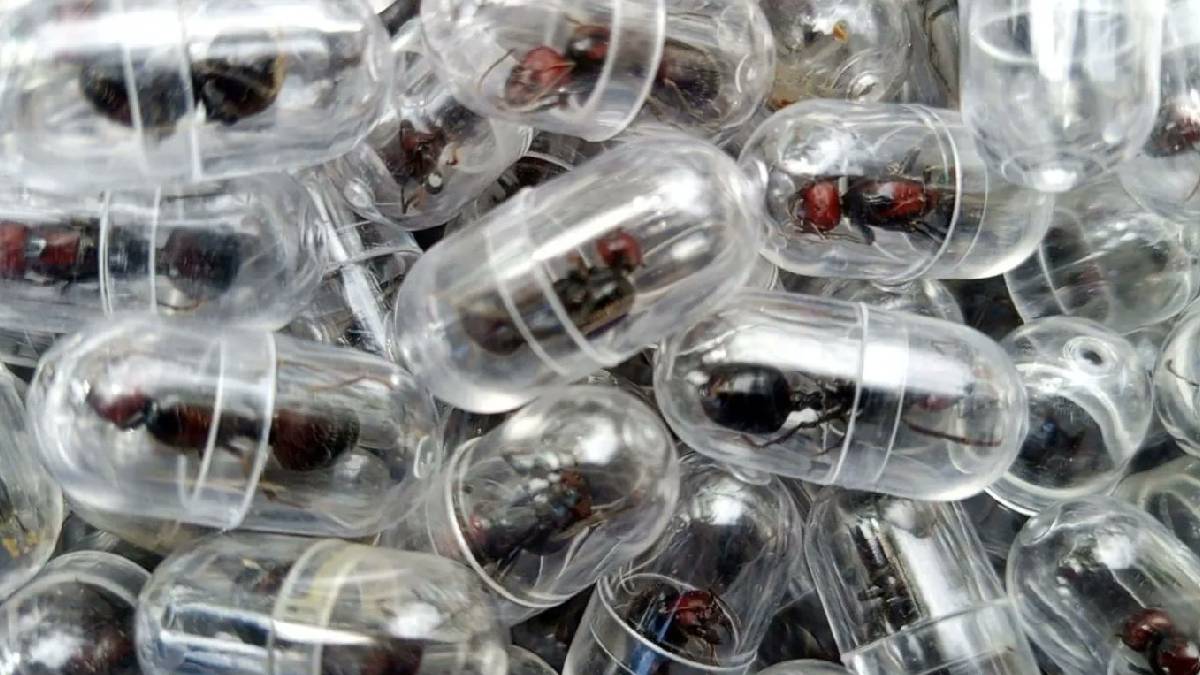
The suspect, identified as Zhang Kequn, was detained during a routine security check before boarding a flight to China. Officials found his luggage held almost 2,000 live queen ants inside test tubes and tissue rolls. The ants were intentionally packed to make the journey, an indication that the smuggling attempt was well‑coordinated.
Queen ants are the reproductive rulers of colonies. Traffickers can set up new colonies elsewhere by smuggling them in. Over time, rare ant species have become extremely popular in the exotic pet trade in Asia and Europe. Collectors pay high prices for uncommon species, making those animals a target for illegal traders. Such demand stresses natural populations and endangers biodiversity.
Eliminating queen ants from their native environment can disturb local ecosystems. Ants have a very key role in soil health, seed dispersal and pest control. Loss of large numbers of queens may damage colonies and affect the balance in nature. Kenya is famous for its natural biodiversity and wildlife trafficking; therefore, this case shows that even tiny species are imperiled with growing pressure.
Zhang Kequn was charged by Kenyan prosecutors with trying to smuggle protected species. Authorities say he could be connected to a larger trafficking network that focuses on insects. The arrest sends a strong message: Kenya is serious about our country’s biodiversity, to include, perhaps, big creatures as well as tiny insects or small ones.

The illegal smuggling of 2,000 queen ants led to the arrest of a Chinese citizen, and was a reminder that wildlife crime is changing. This now covers insects and other small species just as well as big animals. To safeguard biodiversity means to safeguard all creatures, big and small. The case also makes the case for an imperative for stronger enforcement and the necessity of coordinated international action to curb the illegal wildlife trade in all its manifestations.