But history also often produces stories that shape a community's practices of existence for centuries. In China one such tradition is the practice of slapping the statues of Qin Hui and his wife, symbolizing both figures who were accused of betrayal during the Song dynasty as well as others. Today visitors still slap and spit on these statues as a way to vent their anger at a betrayal more than 800 years ago. It isn’t just about punishing statue stonework, it is about preserving the memory of fidelity, honor and injustice.
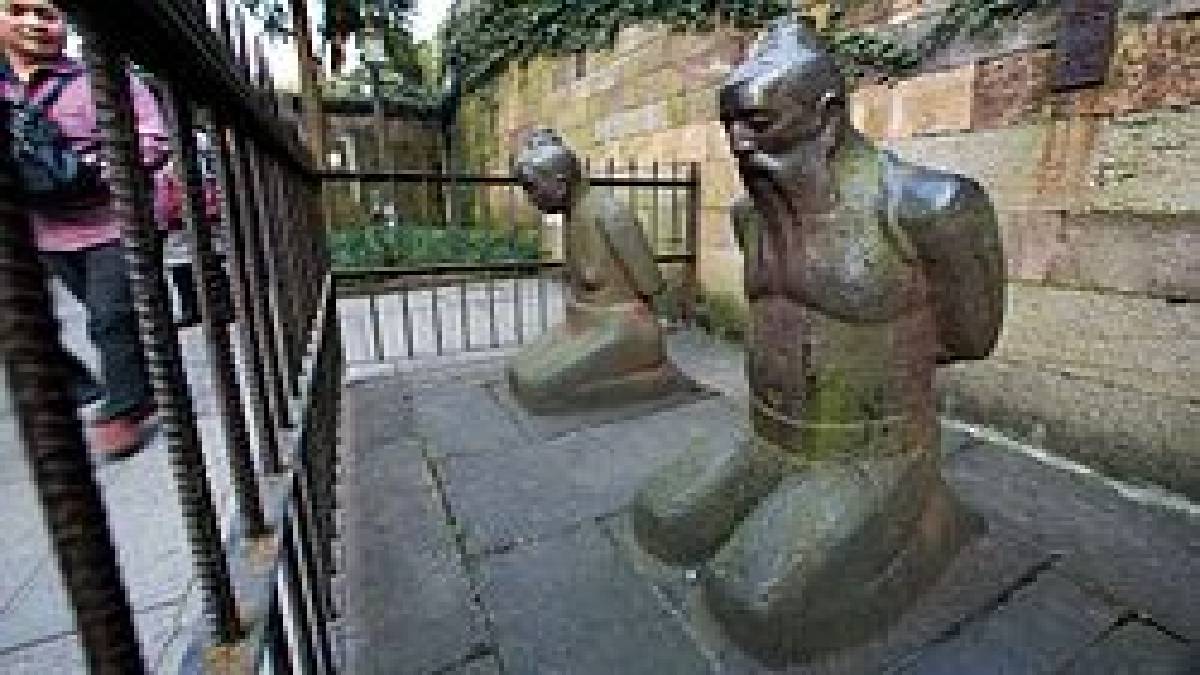
Qin Hui's story is one of a conspiracy against a military general, Yue Fei. A great tribute to the country's bravery, Yue Fei then became a symbol of patriotic heroics. But the betrayal of Qin Hui resulted in Yue Fei’s execution, a move that unnerved the masses and forever scarred Chinese history. Qin Hui and his wife, symbols of treachery, were dishonored, whilst Yue Fei was appointed a hero.
⚡️ 🚨الخيانة والعار لاتُنسى وتلاحق الإنسان حتى بعد الموت .
— موسكو | 🇷🇺 MOSCOW NEWS (@M0SC0W0) February 6, 2026
تماثيل في الصين لـ "تشين هوي وزوجته" يتعرض للصفع والبصق بشكل شبه يومي تخليدا لخيانة عمرها 800 عام حيث كان وزيراً في اسره سونغ وتآمر على إعدام القائد الذي يمجده الصينين إلى اليوم وهو العظيم "يوي في" الذي قاد المقاومة ضد… pic.twitter.com/1wCQxznP2O
Particularly among ancient temples and courtyards, statues of Qin Hui and his wife are a reminder of this kind of betrayal. Visitors frequently slap or spit on these statues to act out and protest dishonesty. Now, it is a tradition which generations have carried on, a part of the daily grind that is cultural in nature. It is not a violent protest, but symbolic justice; that the betrayal shall never be forgotten. The practice also illustrates how communities employ traditions to preserve historical lessons.

There's still a lot behind this story, even after centuries. As a result, however, it remains emotionally poignant and moving for people. For most, he says, slapping these statues stands for standing with Yue Fei's name and honor of loyalty in times the nation has failed. It is therefore also proof that a more truthful society and society itself is loyal - or not. When tourists observe or engage in such a method, they may find it strange but potent: It links them up squarely to one of history’s most visceral parts.
Slapping Qin Hui’s statue has more to do with a culture than a ritual; it is a cultural gesture. It’s a testament to how history shapes contemporary values, and to how communities maintain the lessons of loyalty and justice. By preserving this practice, people pay homage to Yue Fei and remind generations to come of the principle that betrayal, no matter how old, will always be condemned.