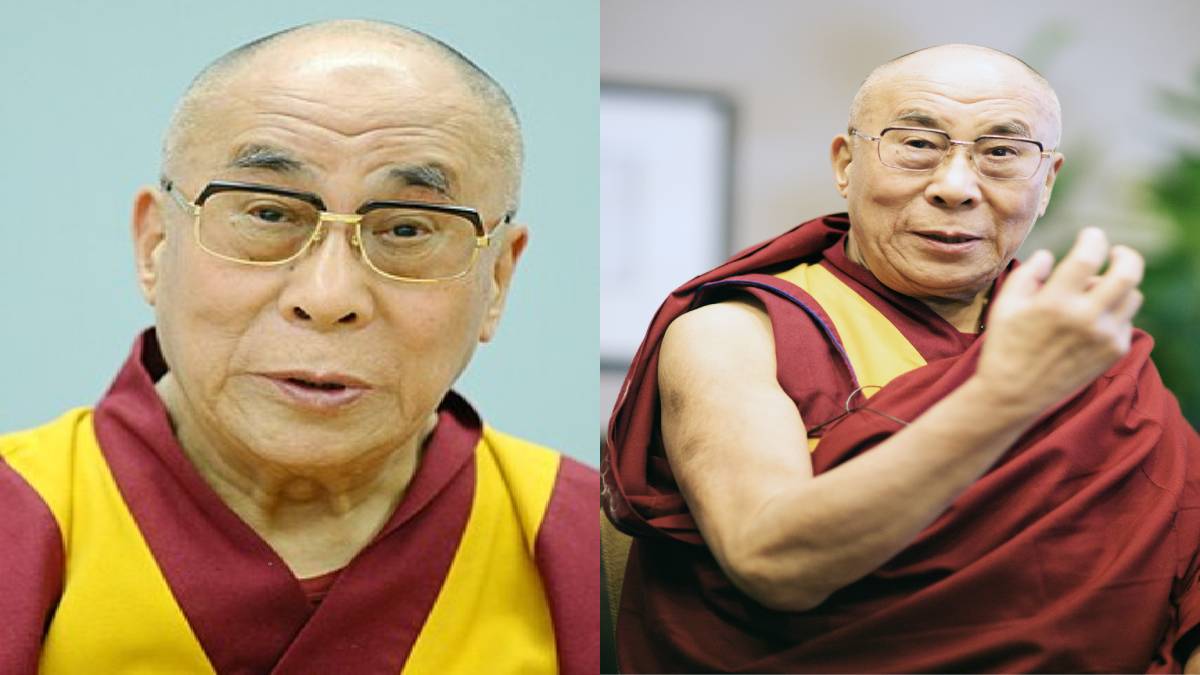
The Grammy Awards are one of the most prestigious awards in music and recording. In February 2026, the Dalai Lama, Tibet’s exiled spiritual leader, won his first Grammy Award. He scored best in the category of Best Audio Book, Narration, and Storytelling Recording in his work Meditations: The Reflections of His Holiness the Dalai Lama. The album was lauded for the message of peace, compassion, and shared responsibility conveyed. But it soon attracted a swift condemnation from China, which has seen the Dalai Lama not as a spiritual figure, but as a political exile.
The award was harshly condemned by China’s Foreign Ministry. Beijing “firmly opposes” the Grammy prize, and in addition accuses the Dalai Lama of using religion for separatist purposes, Chinese spokesman Lin Jian said. The Dalai Lama is, according to China, not a mere person of faith but an individual who promotes division and challenges the government’s sovereignty. This is in line with China’s long-held view that the Lama is a fight for Tibet independence, despite numerous calls that the Dalai Lama has repeatedly declared only for autonomy and the preservation of Tibetan culture.
In comparison, the Dalai Lama’s address was about peace and compassion during the Grammy celebration. He spoke about kindness and mindfulness, and the need for universal responsibility. His teachings have always been about non-violence and harmony, which is why he is such an admired figure around the world. To his followers, the Grammy Award is more than a victory for music or narrative, it’s a testament to his efforts as a career dedicated to disseminating messages of compassion and understanding. The award also represents worldwide goodwill for Tibetan identity and culture.
China’s resentment is based on politics and cultural control. Beijing is scared the Dalai Lama’s worldwide visibility would give him power and erode its grip on Tibet. Awards like the Grammy are seen as supporting Tibetan identity indirectly in a way that is perceived as an encroachment on sovereignty for China. From China’s standpoint, to pay tribute to the Dalai Lama is not a neutral act but a political assertion that might encourage separatist movements. That is why Beijing tends to exert great pressure on foreign governments and institutions to steer clear of giving him any sort of legitimacy.
The controversy illustrates how tightly art and politics can become intertwined. Generally, a Grammy Award means celebrating creativity and talent here, it has become an issue of politics. Supporters of the Dalai Lama contend that honoring him is about freedom of expression and acknowledging universal values, including compassion. China, on the other hand, sees it as interference in its internal affairs. The dispute is illustrative of how political valences can accompany cultural recognition, particularly so when the recipient is a figure of contested identity. It also hints that this kind of recognition will continue to be a source of diplomatic conflict.

The Dalai Lama being a Grammy winner is more than a celebration of spoken word artistic talents. It is a moment of crossing culture, of spirituality, of international politics. The Dalai Lama’s message here is about peace and compassion; China’s critique has been driven by a sensitivity about Tibet and a fight to control the narrative. It is a powerful reminder that artistic honor can be transformed into political theatre: The two are closely linked, with the implications of culture and diplomacy being one.