Colombia has been a great example of how nature can actually help cities cope with climate change and rapid urbanisation as cities around the world struggle with rising temperatures.
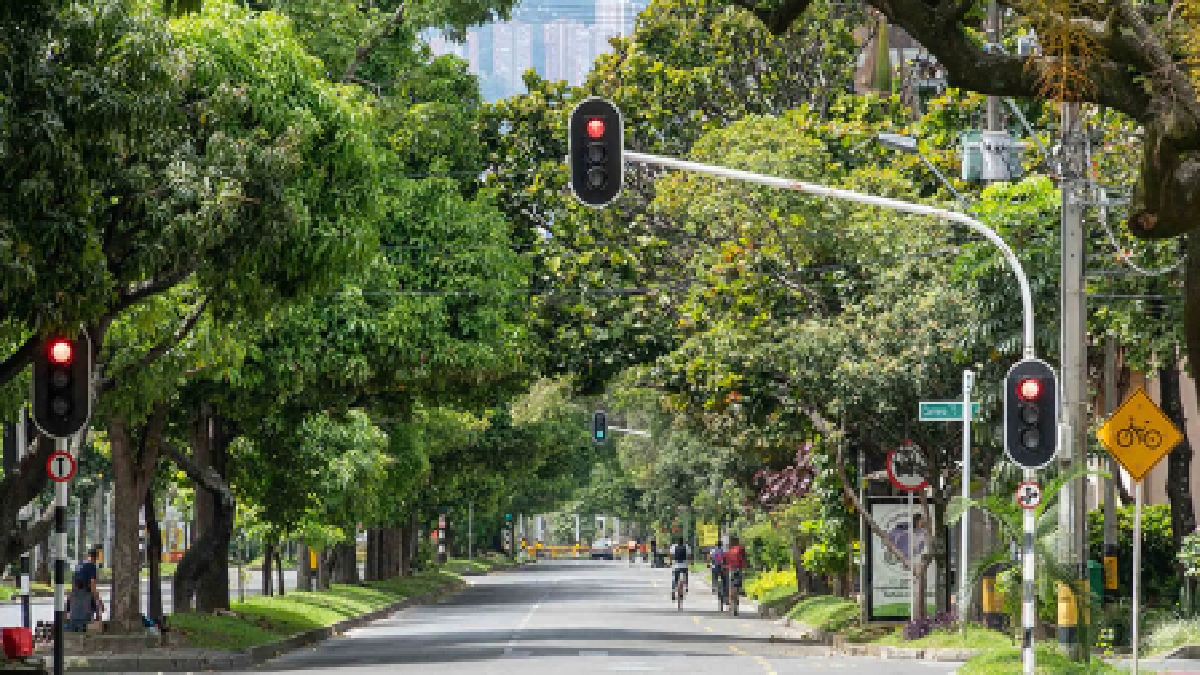
A massive urban greening program has been implemented in the country and by the end of the year, 880,000 trees are planted along streets, parks and in public spaces to help reduce temperatures in some urban areas by up to 5°C. And so the project has emerged as an international trend as cities search for sustainable solutions for dealing with extreme heat.
Urban areas often experience the “urban heat island” effect, where concrete buildings, asphalt roads, and limited vegetation absorb and hold heat. This causes cities to become exponentially hotter than their rural neighbor.
Colombia's tree-planting campaign addresses this issue by increasing green cover, providing shade and air circulation, and expanding the leaf-filled air space, which is important for urban areas.
Trees naturally cool their surroundings through evapotranspiration, in which water evaporates from leaves and cools nearby temperatures. They also block direct sunlight from reaching roads and sidewalks, so the surface temperatures are lower.

When that happens, neighborhoods are more pleasant for residents and the need for air conditioning and electricity consumption are reduced.
In large Colombian cities the initiative has been so successful that thousands of trees have been planted on streets, bicycle lanes, schools and public parks. Besides cooling the environment, such urban forests have helped improve air quality by absorbing pollution and capturing carbon dioxide from the environment, a step in climate change mitigation.
The advantages go beyond temperature reduction. The expanded green spaces provide habitats for birds, butterflies and pollinators in the cities and are favorable for biodiversity in the city. Walking, cycling, and outdoor recreation allow people to have a healthy lifestyle. Access to green spaces can be good for mental health, reduce stress and encourage physical exercise.
Colombia’s success underlines that investing in nature-based solutions can yield many long-term benefits. So cities can not just rely on expensive cooling technologies and infrastructure development to be built out and then protect the environment, but they can do this in such a way that they can evolve into a healthier and more resilient city.
Several cities around the world have done the same now. Singapore, Australia and the Netherlands have increased the number of tree-planting programs in cities, in a bid to reduce heat and to promote sustainability.
Climate adaptation planning is very much needed now in the face of growing global warming, as urban forests are all but a key part of it.
But experts believe that planting trees alone is not enough. Species selection, maintenance, irrigation in dry seasons and long-term urban planning are essential to the survival and success of these green corridors. Native trees are typically preferred since they match the local environment and wildlife.
Colombia’s massive tree-planting campaign is an exclamation point that simple, nature-based interventions can make a significant difference to cities. By putting greenery in cities we can lower heat, improve public health, create biodiversity and make cities more habitable for future generations.
Colombia’s urban forestry initiative is a model that other countries around the world can take for example.