Colombia is in the midst of one of the deadliest natural disasters in its history after a powerful 7.4-magnitude earthquake struck the western part of the country and killed 213 people and left more than 3,000 others missing. Rescuers, military personnel, emergency responders and volunteers are scrambling to find survivors beneath collapsed buildings and piles of debris as hope of finding more alive begins to fade.
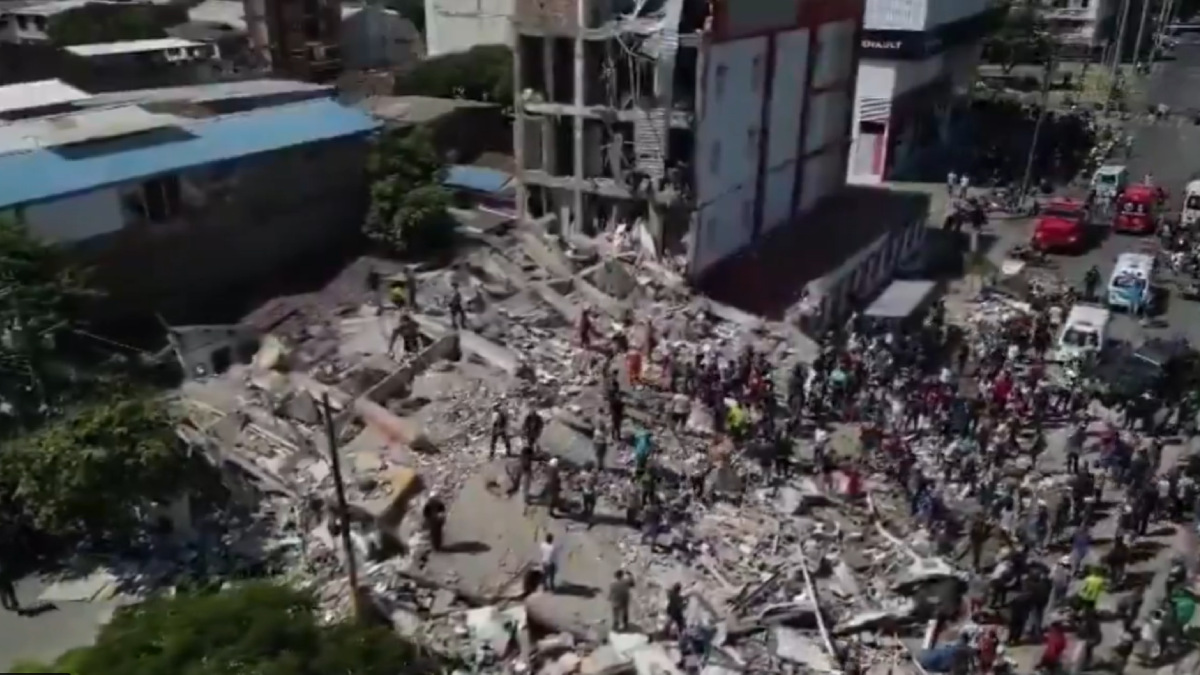
The earthquake struck on August 10 with its epicentre in San José del Palmar in Chocó. It was felt throughout much of Colombia from Cali, Pereira, Manizales, Quibdó to the capital Bogotá. There was strong shaking in apartment blocks, homes, schools, hospitals, and commercial buildings. It was called the strongest to hit Colombia in the last century, and the country’s earthquake track at that time was the strongest to be recorded in history.
The hardest-hit cities are Cali and Pereira, where whole neighbourhoods were devastated. Dozens of buildings collapsed; homes and houses were also destroyed, trapping residents under concrete and twisted metal. Thousands of families are displaced, and many are sleeping outdoors because of the risk of aftershocks and more buildings falling apart. All the while, cranes, excavators, search dogs, drones and other specialist equipment are on hand to search for survivors under the rubble.
More than 3,000 people are still missing, and the number of people unaccounted for is likely to go up; the death toll is likely to be much higher in the coming days. Communication failures and blocked roads have hampered rescue efforts in remote and mountainous areas near the epicentre of the earthquake. The extent of damage in and around the earthquake region is still being worked out by emergency teams.
President Abelardo de la Espriella declared a national state of emergency and has taken over the country’s response. Some 1,000 military personnel have been deployed to rescue efforts and keep order on the ground and prevent looting in affected areas. Emergency shelters, medical camps, and food distribution centres for displaced people have also been set up by the government.
International support for Colombia has started to pour in as countries and humanitarian organisations assist. The U.S., regional governments and financial agencies are throwing huge resources into disaster relief. Relief agencies are working on medical care, clean water, temporary housing and basic supplies to thousands of survivors.
Hospitals in the affected cities are overwhelmed by thousands of injured people, and medical doctors and emergency workers are overwhelmed. Power lines were down, water systems were damaged, transportation had been disrupted; travel networks were disrupted, and airports were closed at times for safety checks. Emergency officials said people were advised to be ready for aftershocks.
There are also signs of survival emerging from the disaster zone as rescue teams continue the marathon of work. A day after the earthquake, some victims were pulled alive from collapsed buildings, giving rescue workers hope for the first time in a day. But officials said that the next 24 hours are critical because it’s likely to be harder to find survivors, so they need to work hard. Rescue workers on the ground have stressed that every minute counts in order to save lives.
Colombia has lost hundreds of lives in the earthquake and now is in the midst of a humanitarian crisis that will take months and years to heal and rebuild. There are so many people still missing and so many communities destroyed; the nation faces a long time before we know if those people are alive or dead, and families are waiting for news of their loved ones.