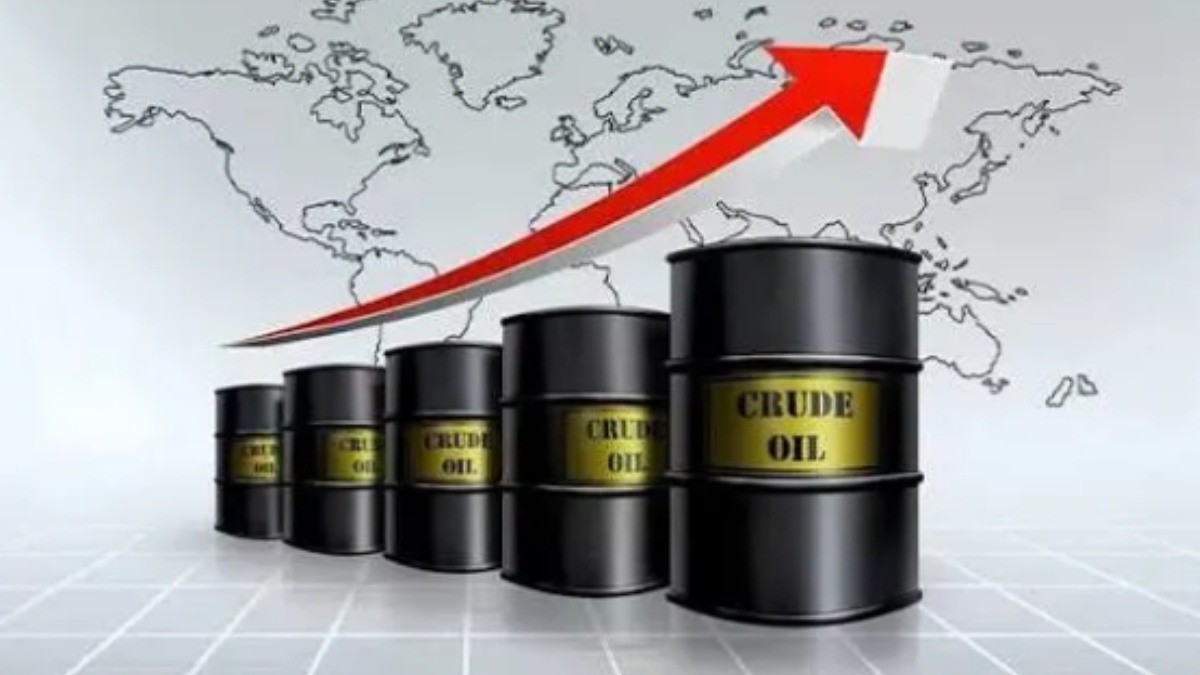
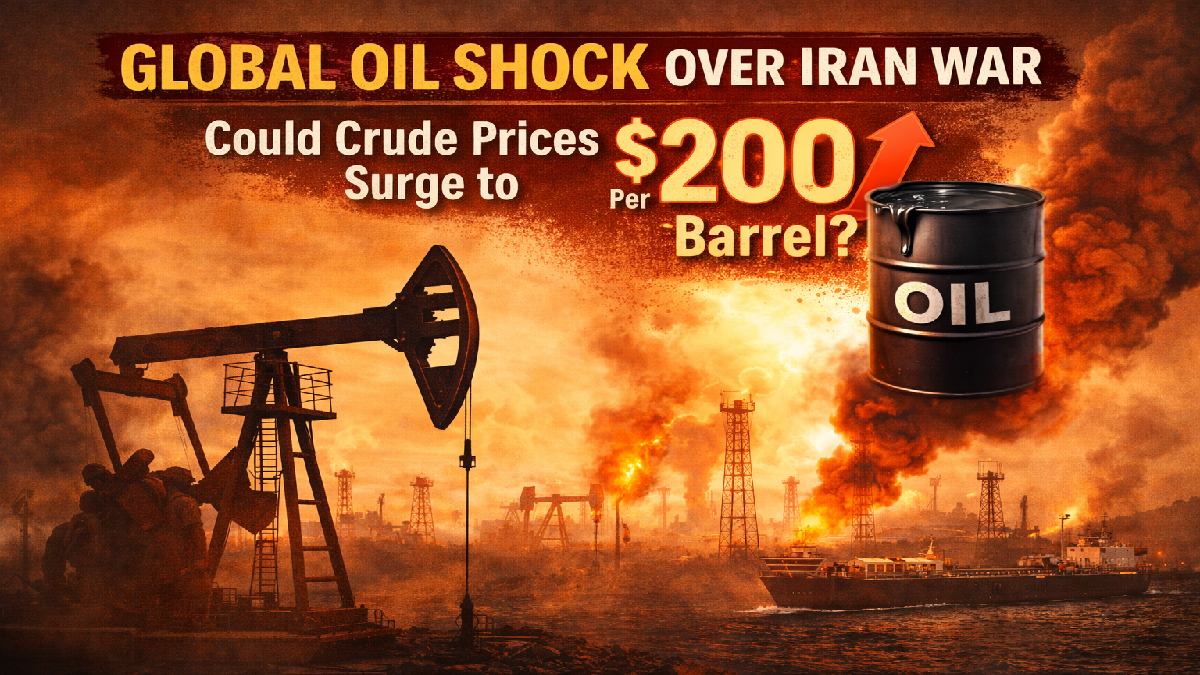
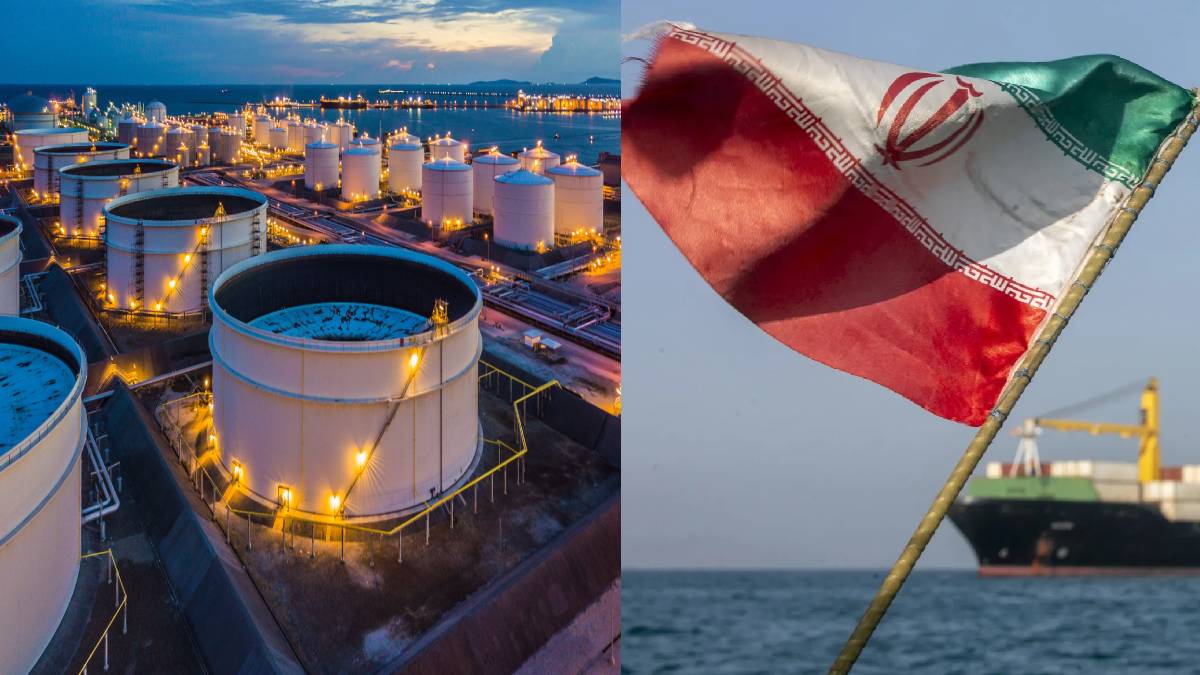
The global energy market is reeling from the escalating Iran-Israel conflict, with crude oil prices soaring to $119.50 per barrel the highest in nearly two years. The surge is driven by fears of disrupted transport routes, particularly the strategic Hormuz Strait, and potential damage to oil production infrastructure across the Middle East.
The Strait of Hormuz, through which nearly 20% of the world’s oil supply flows, has become a flashpoint in the conflict. With military activity intensifying in the region, shipping companies are rerouting vessels via longer and costlier paths such as the Cape of Good Hope, adding pressure to already strained supply chains.
Energy analysts warn that if the conflict continues, crude prices could breach the $130 mark, triggering a cascade of economic consequences. Countries heavily dependent on oil imports, including India, are already witnessing the fallout. Fuel prices — including Auto LPG and petrol have begun rising sharply, affecting transportation costs and consumer spending.
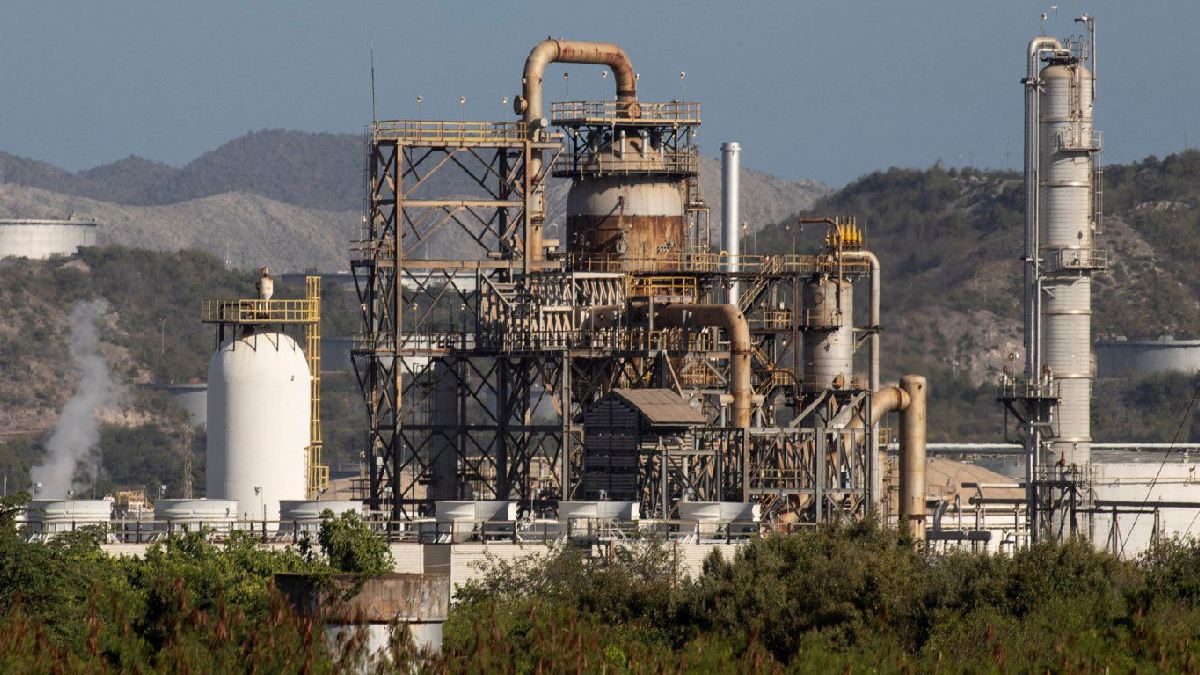
The production side is equally vulnerable. Iran’s oil exports, which had been recovering post-sanctions, now face renewed uncertainty. Israeli airstrikes and retaliatory actions have reportedly targeted key infrastructure, raising concerns about long-term supply disruptions.
Global stock markets have responded with volatility, and central banks may be forced to reconsider interest rate strategies to combat inflation. The aviation, logistics, and manufacturing sectors are expected to be among the hardest hit, with rising fuel costs threatening profit margins and operational stability.
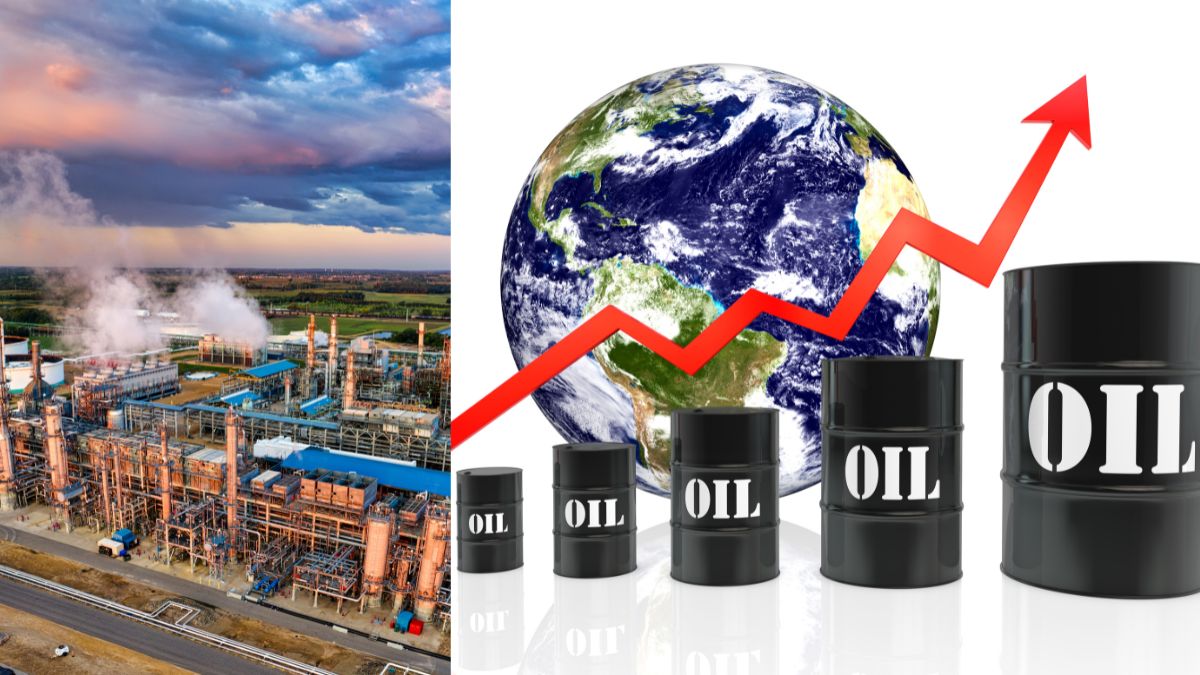
In summary, the Iran-Israel war is not just a geopolitical crisis it’s rapidly evolving into an economic one. With crude oil prices climbing to $119.50 per barrel, the world is bracing for a turbulent period marked by inflation, supply chain shocks, and heightened financial risk.