The healthcare landscape in Karnataka is bracing for a significant disruption as government doctors across the state have announced an indefinite strike starting March 11, 2026. This move follows a series of failed negotiations with the state government regarding long-standing administrative and professional grievances. With outpatient department (OPD) services expected to grind to a halt, millions of citizens particularly those from economically vulnerable backgrounds face a period of immense uncertainty regarding their medical care.
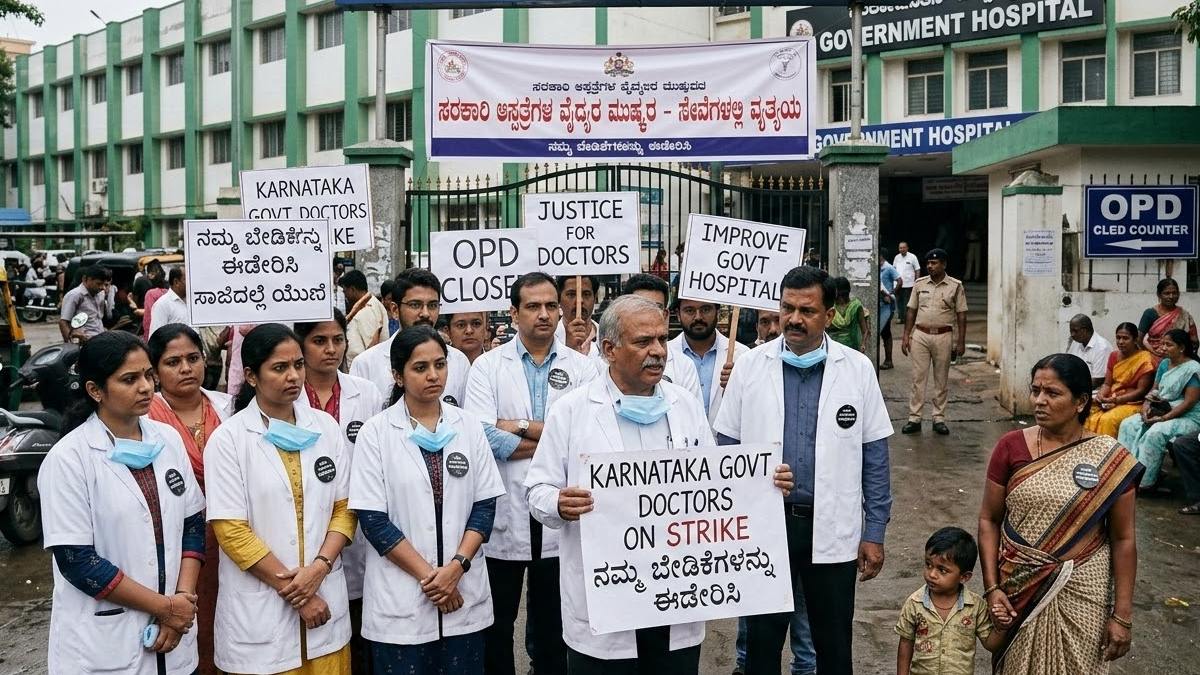
The Core of the Conflict: 15 Key Demands
The Karnataka State Government Medical Officers' Association (KSGMOA) has been advocating for systemic reforms for years. According to the association’s leadership, the decision to strike was a last resort after the government failed to provide written assurances for their 15 primary demands. Key issues include:
- Cadre and Recruitment (C&R) Rules: The recruitment process has reportedly been stalled for over four years, leading to severe understaffing and increased pressure on existing medical personnel.
- Seniority List Disparity: The seniority list for government doctors has not been updated or revised for 13 years, directly impacting promotions and career progression.
- Resource Scarcity: Beyond administrative issues, doctors are protesting the chronic shortage of essential medicines and diagnostic equipment in state-run facilities.
Failed Negotiations and Escalation
Despite the gravity of the situation, a resolution remains elusive. The Health Department has held seven rounds of meetings with the association to date. The most recent high-profile meeting on March 2, chaired by the Health Minister, ended in a deadlock.
Dr. Ravindranath Meti, President of the KSGMOA, emphasized that the lack of a formal, written commitment from the government has left the medical fraternity with no choice but to protest. To mark their protest, doctors and staff will initially wear black badges while suspending OPD services.
Impact on the Public
The timing of the strike is particularly concerning for patients suffering from seasonal ailments such as fever, cough, and skin infections, as well as those requiring routine blood tests and scans. While emergency services are expected to remain operational, the closure of OPDs will hit the poor and middle-class populations hardest, as they rely almost exclusively on government infrastructure for affordable healthcare.
If the government does not intervene, the protest is set to escalate on March 16, when doctors have threatened a mass casual leave (absenteeism), which could lead to a total collapse of non-emergency medical services across the state.
As the March 11 deadline approaches, the ball is firmly in the state government's court. While the doctors' demands highlight a need for structural healthcare reform, the immediate victim of this standoff is the common man. Without a swift diplomatic breakthrough, Karnataka’s public health system faces an unprecedented challenge.