This year, we have the most intense display of the power of nature in the Indian Ocean with Cyclone Horacio going through a period of “explosive intensification,” reaching Category 5 on Tuesday. Horacio has officially transitioned to the strongest tropical cyclone of the 2026 season with sustained wind speeds reaching a terrifying 260 km/h (160 mph) and gusts exceeding 310 km/h.
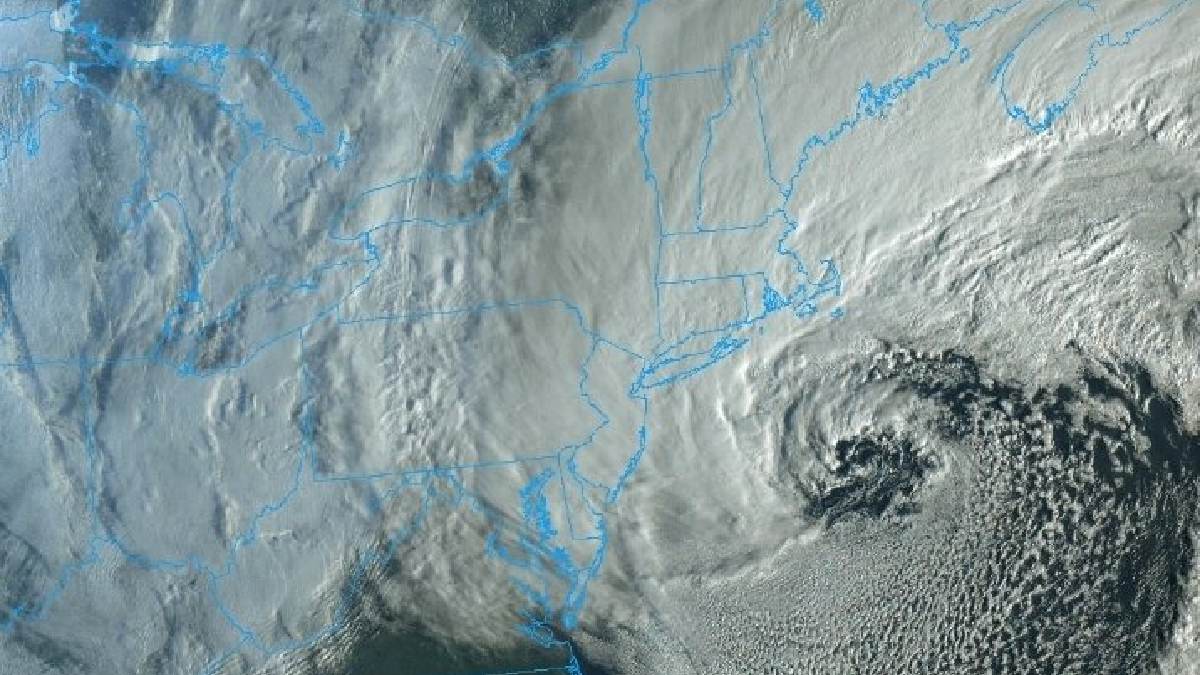
The extreme rapid evolution of the storm has alarmed meteorologists at the Regional Specialized Meteorological Centre (RSMC) in La Réunion, because it went from a Category 2 to Category 5 in less than 24 hours, driven by record-high sea surface temperatures. Currently swirling in the central Indian Ocean, the satellite imagery of Horacio shows a “pinhole eye” a trademark characteristic of very intense and compact super cyclones.
The storm itself features a near-perfect structure that has deep convective bands and symmetrical outflow that ensure the strongest of storms will maintain its peak intensity despite moving into areas with moderate wind shear. As of Tuesday evening, the eye of the storm is about 800 kilometers east-northeast of Mauritius and traveling steadily west-southwest.
This trajectory has put island nations and the eastern coast of Africa on high alert, after the storm’s diameter of influence increases with both its increase in the diameter and scope. The urgent danger is still the Mascarene Islands specifically Mauritius and Rodrigues. Although the existing forecast track indicates the storm’s center could whip past just north of Mauritius, the “dangerous semi-circle” of which the strongest winds and highest storm surges are located, may still lash the islands with hurricane-force winds and extreme moisture.
It is worth noting that the authorities have raised the Cyclone Warning Class III for the island of Mauritius and have even urged citizens to implement any precaution and to shelter in established shelters if they live in flood-prone coastal areas. Madagascar officials are preparing for a landfall by the weekend fearing that a disaster-predicting storm might result in major flooding in a country that is still recovering from recent seasons.
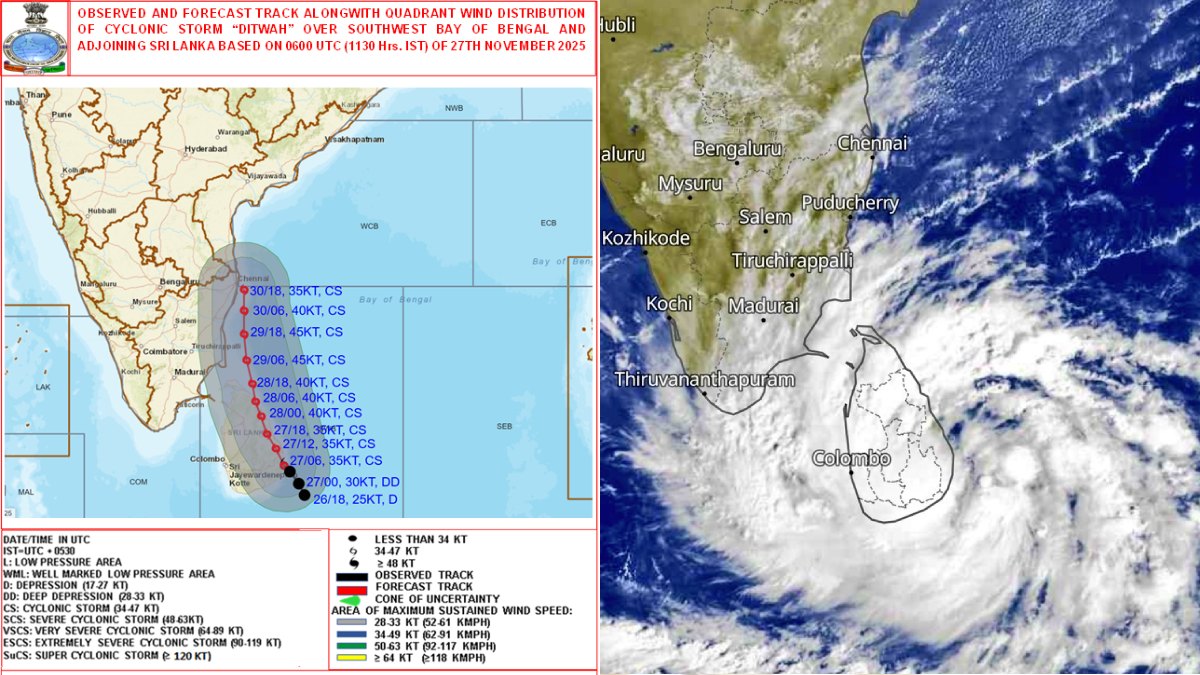
And, aside from the wind, the biggest one for disaster management teams is the enormous storm surge a predicted 4–6 metre high storm surge in coastal bays. Combined with forecast rainfall exceeding 500 mm (20 inches) in a 48-hour period, this presents a high probability of flash flooding, and a flood disaster.
Climate scientists all over the world are watching Cyclone Horacio to be a grim sign of the "new normal" for 2026: warm oceans, which offer a continuous supply of energy for storms to surge to maximum intensity at unprecedented speeds. During what is likely to be a great humanitarian challenge, international aid agencies are pre-positioning supplies in the region against the storm heading where it is going.