A huge firecracker explosion at a manufacturing plant in Virudhunagar, Tamil Nadu, killed a minimum of 23 people and injured six others; it is one of the deadliest industrial accidents in recent years. An explosion earlier that day sparked a massive fire, spreading chaos across the factory and in areas around it.
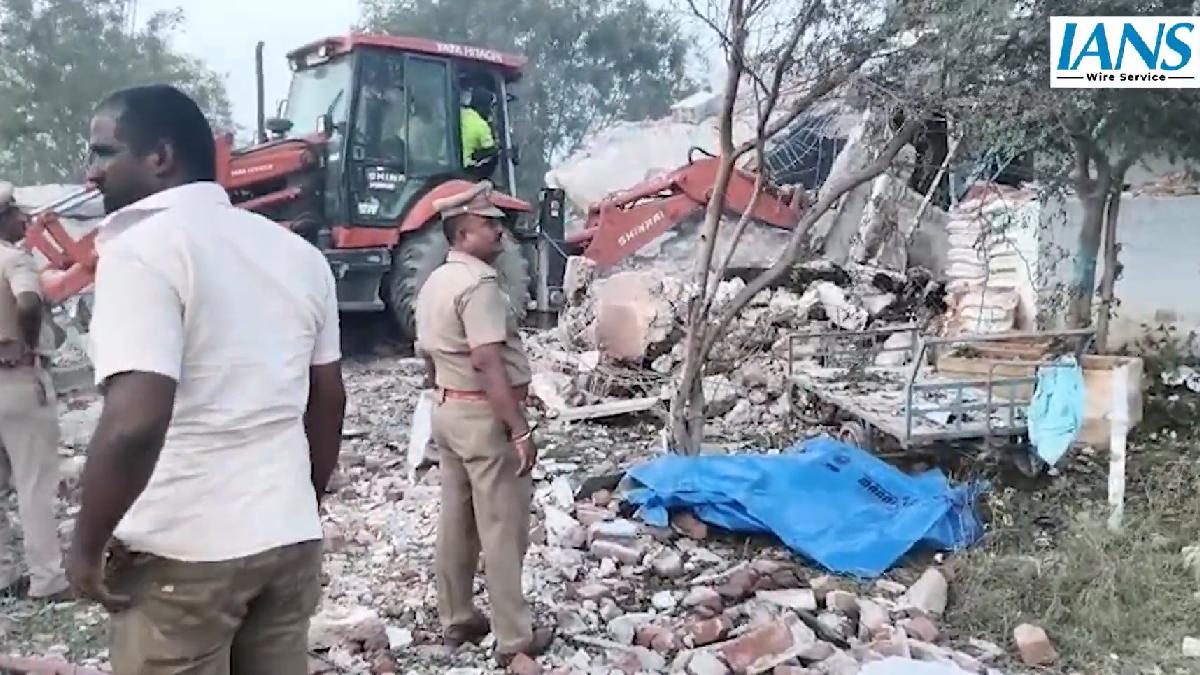
Accidentally, it happened during the use or storage of highly flammable pieces of material in fireworks, preliminary reports said. A blast delivered such an impact to most of the facility that it flattened part of the building, trapping workers under debris and swallowing the area within seconds.
They alerted the emergency services, fire and rescue teams, who showed up at the location soon after the incident was reported. Firefighters fought a fire for several hours to try to extinguish the blaze. Thereafter, rescuing operations were carried out in hard conditions, as well as those on duty, and the authorities managed to search for survivors and recover the bodies from the rubble.
Workers on the factory floor during the explosion are believed to be most of the victims. They’re also being treated at local hospitals, with several accounts of critically ill people. Medical crews are performing intensive care while attempts are still underway to stabilise the people involved. The district administration, including police officials, has isolated the area and embarked on an extensive investigation into the exact cause of the explosion.
That gave rise to early misgivings of potential safety violations, an ongoing headache at firecracker production facilities around Tamil Nadu. Firecracker production, especially in districts like Virudhunagar, is made with hazardous chemicals, and hence, safety regulations are essential. Known past incidents have repeatedly identified non-compliance, inordinate work volume in work areas, and suboptimal storage that lead to catastrophic mishaps.
Tamil Nadu govt. authorities have extended their condolences to the families of the dead. Senior officials will probably travel to the site, where they are expected to review safety rules for a similar region-wide factory. Compensation for victims’ families should also fall under remediation efforts. This disaster once again has opened the possibility of serious industrial safety and regulatory lapses.
There is a greater need for tighter inspections, better worker training, and updates to the facility, experts said, to prevent another such catastrophe. Witnesses at the scene heard a loud explosion, and houses vibrated before smoke billowed in to engulf people and send “blasts to the air,” residents said. As rescue and investigation activities continue, the focus is still to identify all victims as well as assist their families through this hard time.
The event becomes a painful reminder that workers in toxic-industrial plants were exposed to very real hazards and to the very necessary conditions for protection and safety in all working conditions. The nation mourns the deaths of 23 people in this tragic explosion: should the lessons of the disaster lead to better safety measures and prevent such a disaster from happening in future?