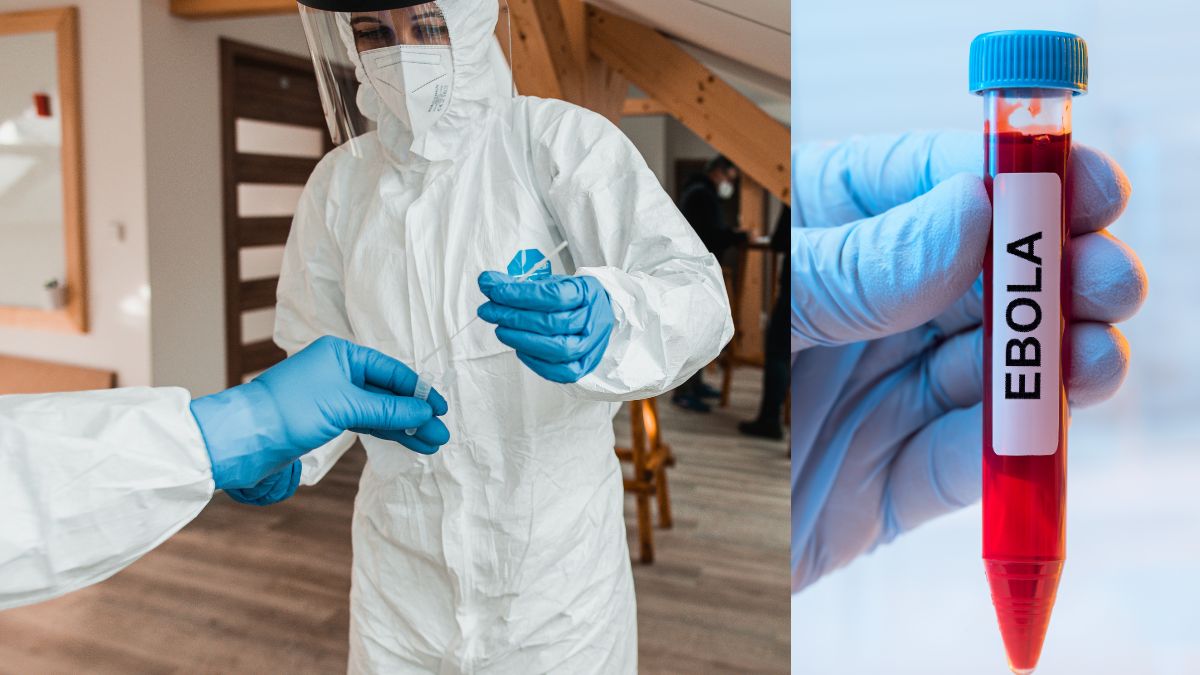
There’s been a deadly Ebola outbreak that has killed at least 100 people in the Democratic Republic of Congo, and it is a global health crisis after it was reported that six Americans were exposed to the virus.
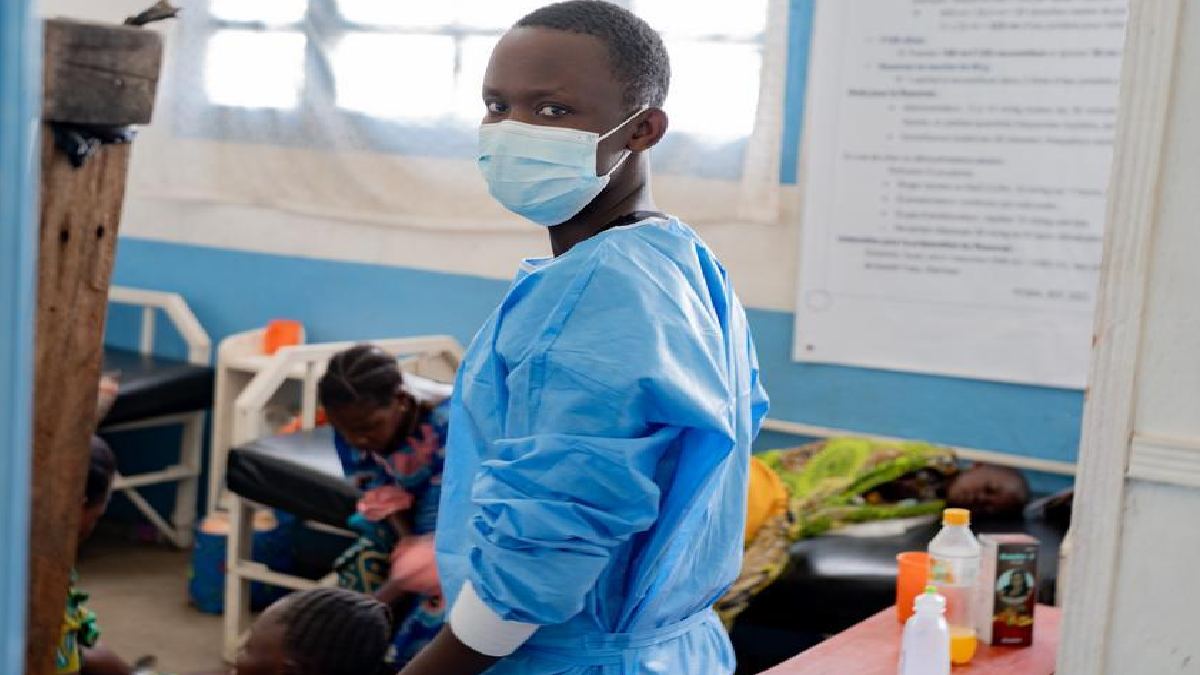
The US Centres for Disease Control and Prevention (CDC) is doubling down on monitoring and preventing outbreaks of the disease in parts of the world beyond Africa. Health officials in DR Congo said the outbreak has targeted several remote areas where medical infrastructure continues to be limited.
The virus has spread rapidly among local communities because it was detected late, because infected people moved around and because it has struggled to reach those who provided care, officials said.
The Ebola virus, one of the world’s deadliest infectious diseases, causes severe fever, internal bleeding, vomiting, diarrhoea, and organ failure. It travels primarily through direct contact with an infected person's bodily fluids or contaminated substances or surfaces. Mortality rates may vary between 25 per cent and 90 per cent, depending on the outbreak and response availability.
As many as six of the American aid workers and health workers who had returned from impacted areas in DR Congo may have been exposed to the virus, according to reports. All six were monitored (and currently under medical observation) and were being regularly checked for symptoms, US health officials reported.
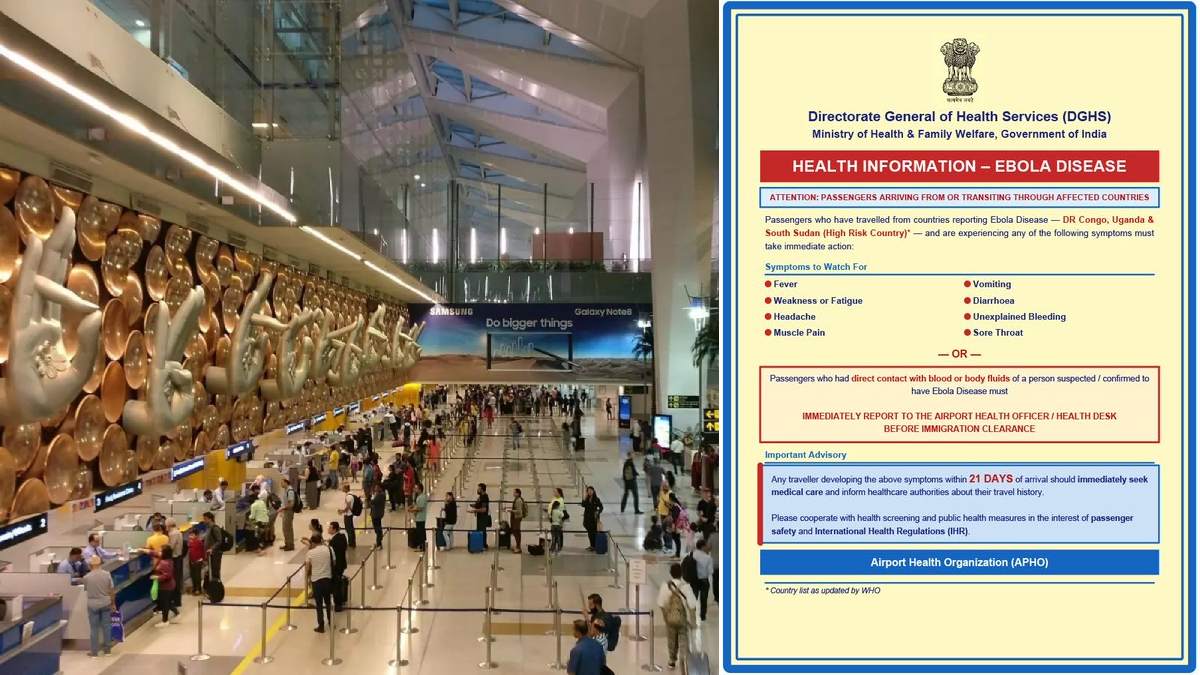
Until now, there have been no confirmed Ebola cases in the United States. The CDC has stepped up emergency response, implemented emergency response procedures and intensified airport screening for travellers coming to the country through Central African countries.
Public health agencies are also working with international organisations, including the World Health Organisation (WHO), to quell the outbreak and monitor potential exposures. Doctors have cautioned that Ebola outbreaks can be incredibly deadly if not contained quickly.
The virus has already infected some areas of Africa and led to devastating epidemics, such as the massive one in West Africa that ravaged West Africa from 2014 to 2016 and killed more than 11,000 people. Health workers are under tremendous pressure to keep the current outbreak under control in DR Congo, officials said.
That has resulted in a lack of transportation, a lack of medical services and a lack of trust in some communities in the targeted areas, complicating the response. Vaccination initiatives and contact tracing are in progress to delay transmission. WHO teams and other relevant humanitarian groups have set out to assist local authorities with such emergency treatment centres, isolation units, and information campaigns. International experts are responsible for ensuring that foreign countries also enhance their border surveillance and emergency preparation.
Recent outbreaks have led to fears among global health officials that they may transmit the virus cross-border through international travel. Government officials said Ebola is not transmitted via air, as COVID-19 might be, and then go on to say that they need to be very close to an infected person or be around bodily fluids before they spread it themselves before doing so.
US officials have urged residents travelling to areas affected by the epidemic to take care and report symptoms like fever and fatigue, vomiting or bleeding rapidly.
The key to limiting the spread of the outbreak is early identification and isolation, the CDC said. In DR Congo, the situation is changing quickly as a quickly mobilised team of health workers tries to control the outbreak before it spirals out of control. International health agencies are on high alert, and fears that more infections could develop in the next few weeks.