The Democratic Republic of Congo (DRC) is facing one of its most serious public health crises in years as an outbreak of rapidly spread Ebola has already killed more than 200 people in less than a month. The epidemic is called the worst outbreak of Ebola in this country, and health authorities say the true number could be far higher than official statistics suggest.
According to the Africa Centres for Disease Control and Prevention (Africa CDC), the country has recorded 875 confirmed Ebola cases and 202 deaths so far. 379 patients remain hospitalized or in isolation, while only 67 people have recovered. Ituri province in eastern Congo is the epicenter of the outbreak with more than 90% of all confirmed cases.
Health officials believe the outbreak is spreading faster than reported. Large parts of eastern Congo remain difficult to access because of armed conflict, insecurity, inadequate infrastructure and mass displacement of communities. So many suspected cases may not yet have been identified and recorded.
Africa CDC official Wessam Mankoula warned that response teams from agencies such as the Africa CDC and the WHO are struggling to reach affected communities. Contact tracing, considered one of the most important tools to contain Ebola, is highly limited due to security concerns and the remoteness of many villages.
Humanitarian agencies have also expressed concern that the outbreak is not yet at its peak. Bruno Michon of the International Federation of Red Cross and Red Crescent Societies warned that the epidemic could take up to a year to get control if transmission continues at the current rate.
The crisis is even more complicated given that this is the 17th Ebola outbreak in the DRC and is caused by the rare Bundibugyo strain of the virus. Unlike other Ebola strains, Bundibugyo Ebola has no vaccine or targeted treatment available and containment is therefore even more challenging.
The virus has already crossed international borders. Neighboring Uganda has confirmed 19 cases and two deaths, indicating that the outbreak could spread regionally if it is not contained quickly.
What Is Ebola?
Ebola Virus Disease is a serious and often fatal illness caused by the Ebola virus. It is spread by direct contact with the blood, bodily fluids or tissues of infected people or animals. Most commonly, symptoms are fever, headache, muscle pain, fatigue, vomiting, diarrhea and, in severe cases, internal or external bleeding.
How Can Ebola Be Prevented?
Health experts recommend:
- Handwashing with a lot of water and hygiene.
- Not touching infected people.
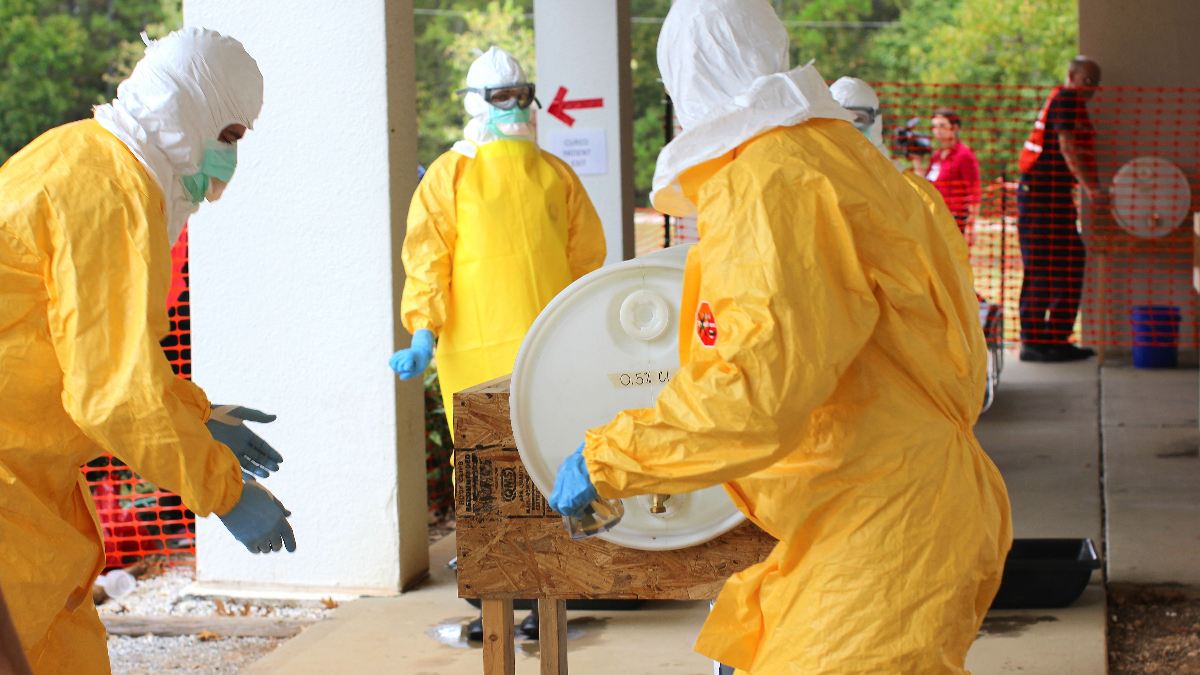
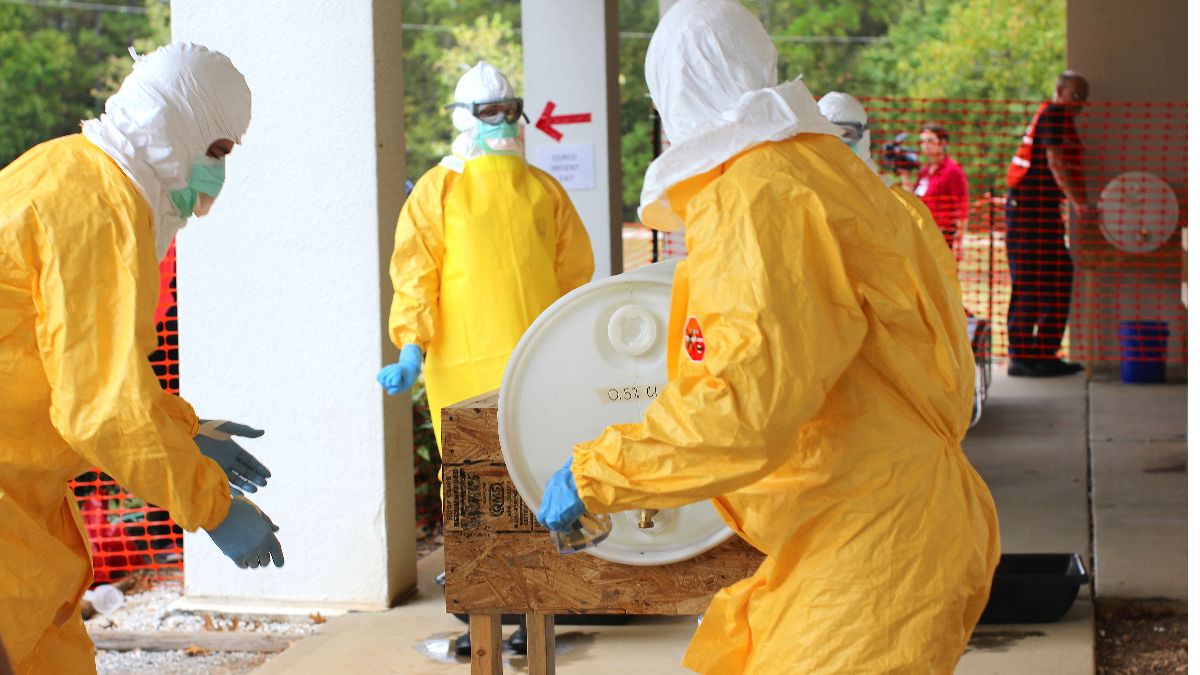
- Use protective equipment when caring for patients.
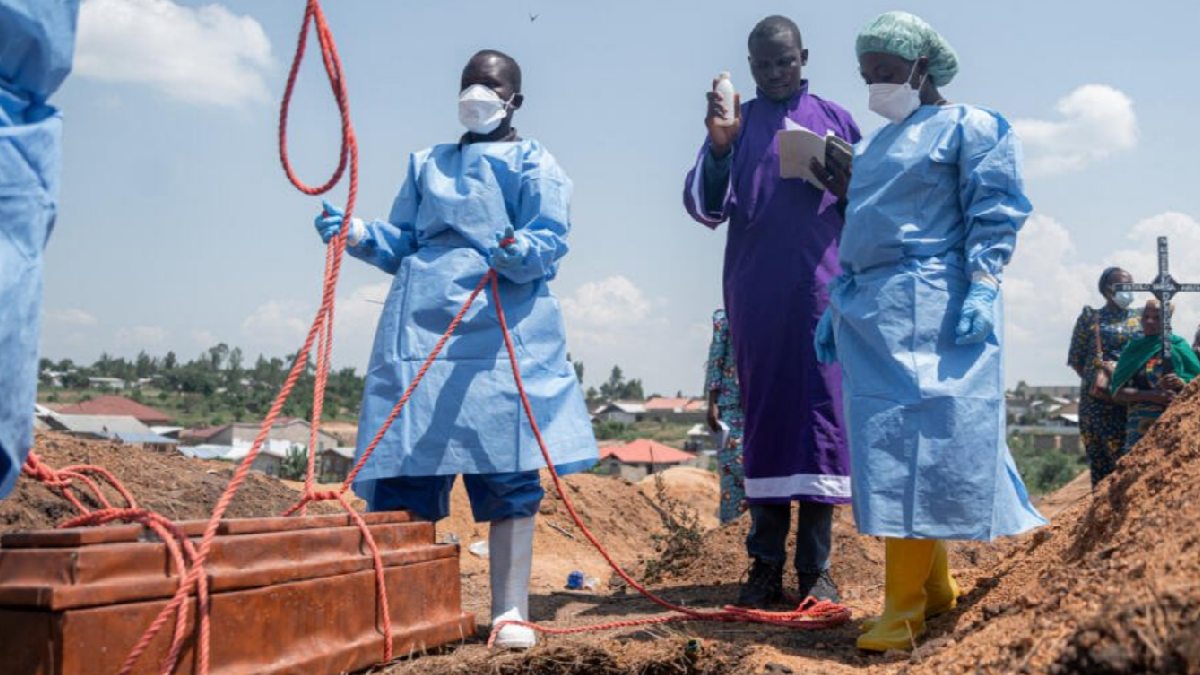
- Care of the dead. Safe burial.
- Rapid isolation and treatment of suspected cases.
Should Asia Be Concerned?
There is no immediate outbreak of Ebola in Asia, and the overall risk is relatively low. But officials around the world are closely monitoring the situation, because international travel can spread infectious diseases across continents. Asia should keep up surveillance measures and preparedness strategies at the airports and border entry points.
For now, the most urgent concern is eastern Congo, where conflict, displacement and weak healthcare infrastructure are creating the perfect conditions for the virus to spread. And with nearly 900 confirmed infections and health officials warning that the outbreak is still growing, the next few weeks could determine whether we can prevent one of the region’s worst Ebola crises from worsening.