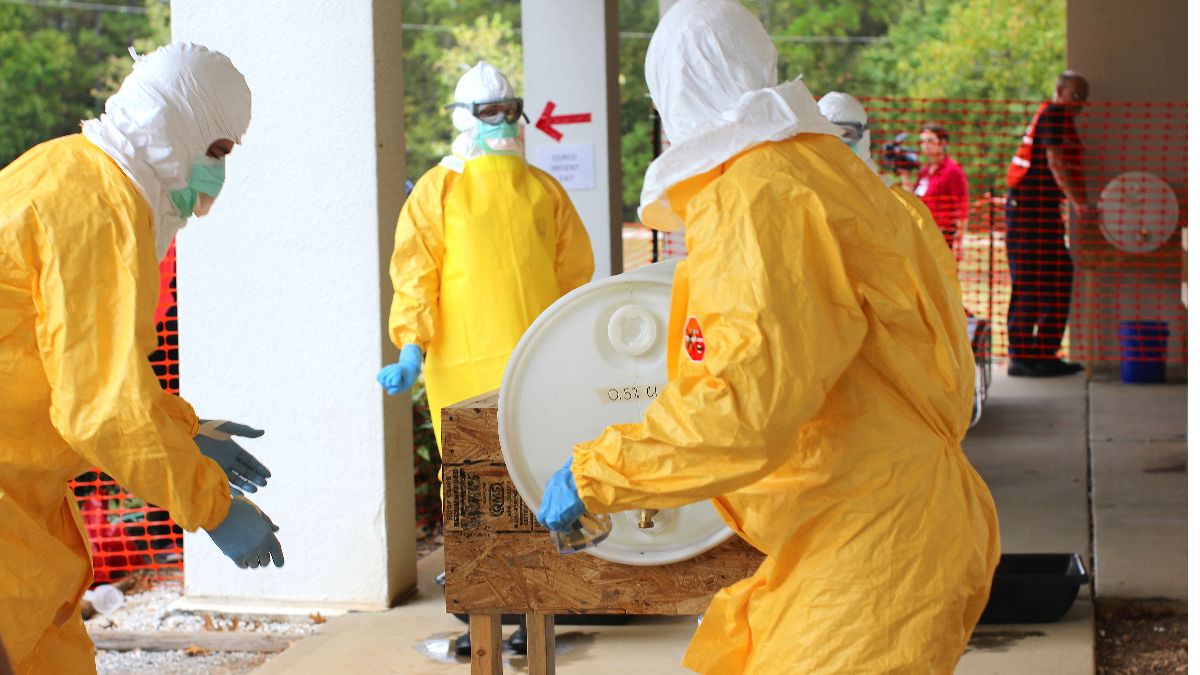
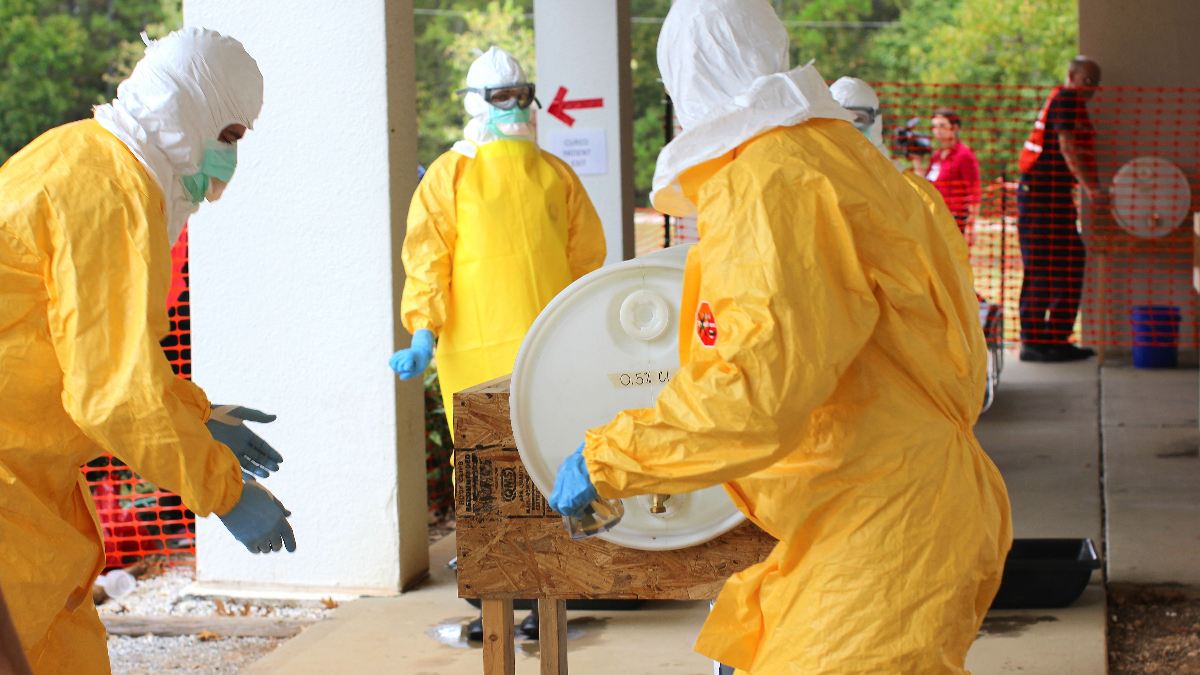
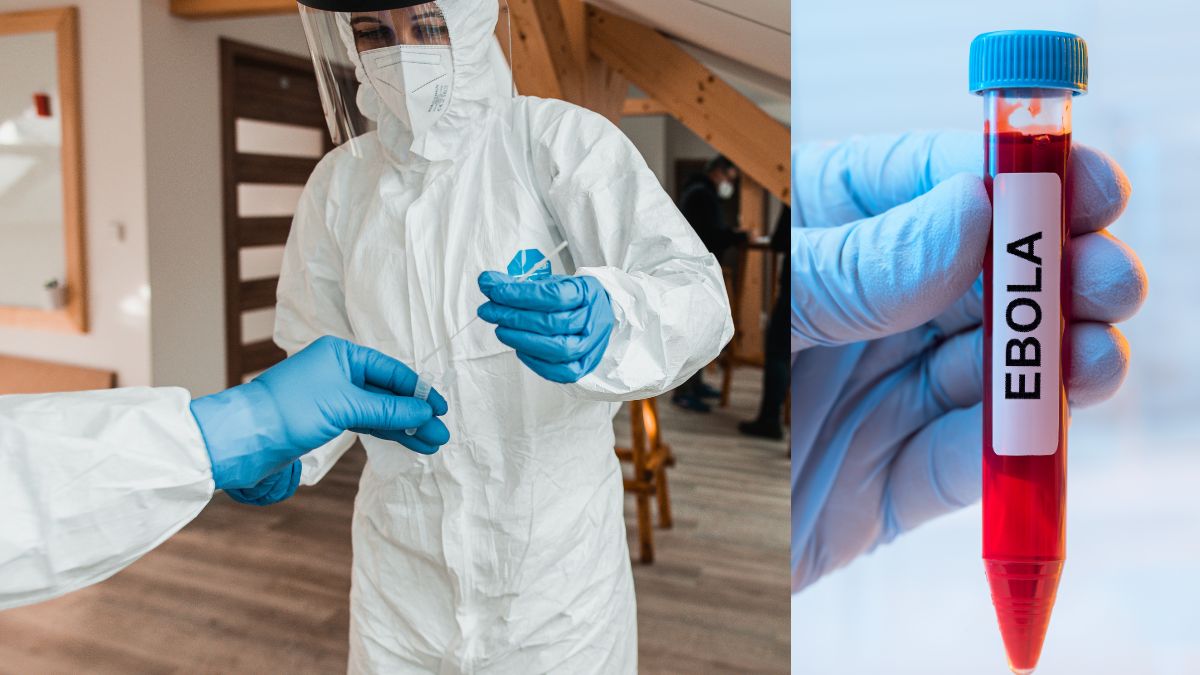
The outbreak of Ebola in Democratic Republic of Congo (DR Congo) is now the fastest-growing outbreak ever recorded, African health officials say, raising fears that the disease is spreading faster than response efforts can keep pace.
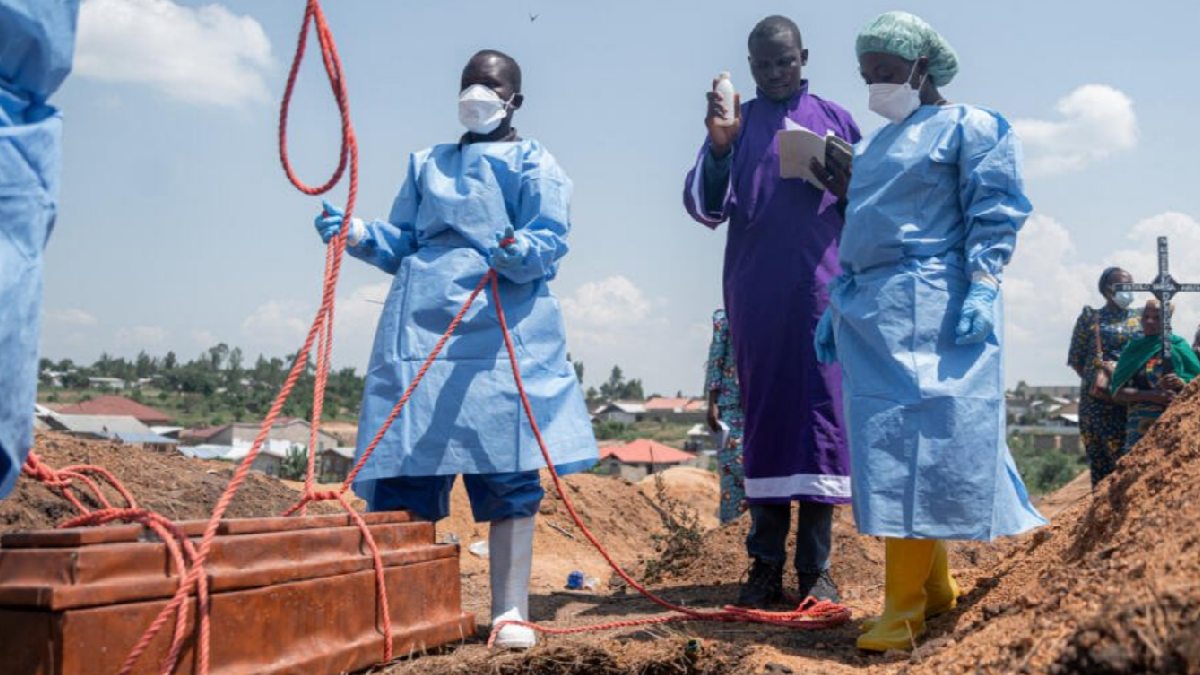
The World Health Organization (WHO) reported on Thursday that there are now 1,759 confirmed cases of Ebola in the country since the outbreak was announced in mid-May with 600 deaths. The rapidly mounting situation has prompted calls from the WHO for more international assistance as health workers struggle to fight the disease.
The Virus Is Ahead Of Our Response
In a speech to the media, Wessam Mankoula, head of Emergency Preparedness and Response at Africa Centres for Disease Control and Prevention (Africa CDC), said the outbreak was unprecedented.
"This is the fastest-growing Ebola outbreak ever—not only among Bundibugyo outbreaks, but across all Ebola virus strains."
Mankoula warned health authorities are struggling to keep up with the pace of transmission.
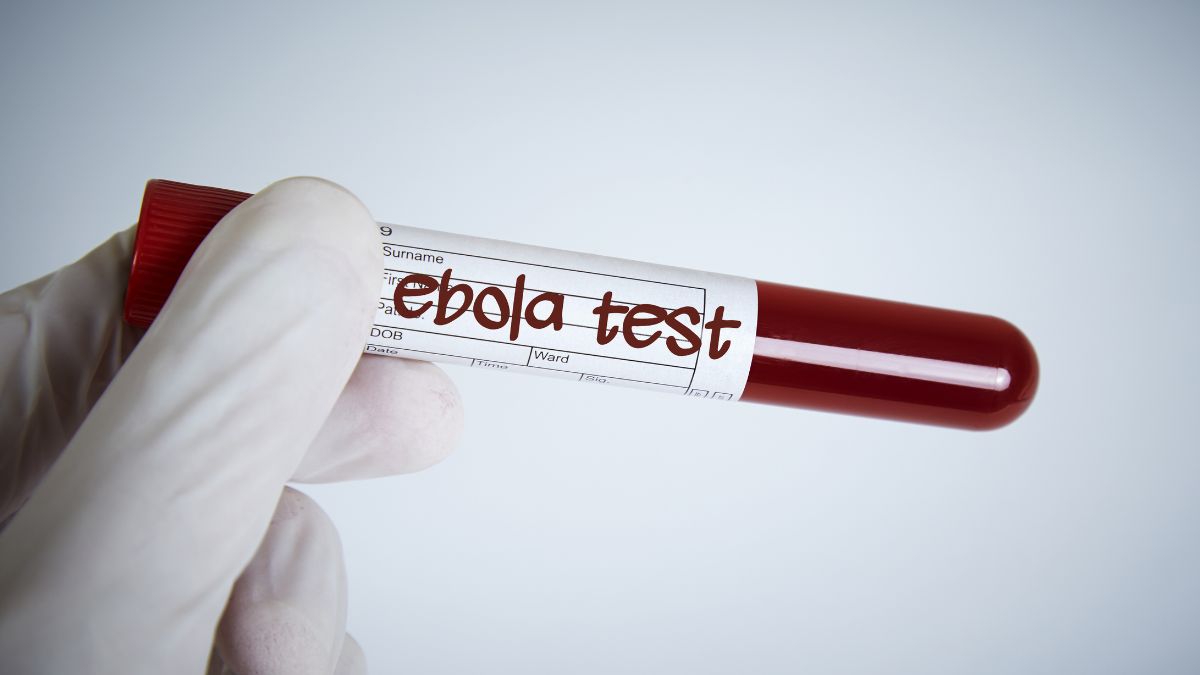
"Unfortunately, the virus is still ahead of our response. It’s moving faster than we can put any resources on it to control it.”
The Africa CDC says that confirmed cases are currently doubling every 28 days, and that medical resources and surveillance need to be increased by scaling up and increasing medical resources.
Rare Bundibugyo Strain adds to challenge
The current outbreak is driven by the Bundibugyo strain of the Ebola virus—a relatively rare variant for which no approved vaccine or specific treatment currently exists.
The WHO said the outbreak has a case fatality rate of around 34%, meaning roughly one in every three infected patients has died.
So far:
1,759 confirmed cases
600 confirmed deaths
285 recoveries
304 suspected cases under investigation
The outbreak has spread to four provinces in northeastern DR Congo, with Ituri province still the epicentre.
Why is the Outbreak spreading so quickly?
Health officials say there were complications on how to contain the virus.
The high population movement, persistent insecurity in the affected regions and a weak medical system have made contact tracing and treatment far more difficult.
The WHO said more than 10,000 people who may have been exposed to the virus are currently being monitored, while around 700 treatment beds are available at 22 Ebola treatment centres. Additional facilities are also being built to meet the growing demand.
Experimental Treatments Offer Hope
There is no approved vaccine for Bundibugyo disease, but researchers have begun the process of testing two promising treatments.
Clinical trials started in DR Congo on July 2, evaluating:
MBP134, a monoclonal antibody therapy to treat multiple strains of Ebola virus.
Remdesivir, an antiviral drug that has previously been studied for several viral diseases.
They hope that the trials will be useful and could be very beneficial to survival rates if the treatments are successful.
Global Support Needed
Africa CDC estimates that $1.4 billion will be required to support both the public health response and humanitarian operations in affected communities.
Health officials say public health authorities are urging the international community to increase funding, medical supplies and personnel before the outbreak spreads to new areas and numbers of people in the world and to the world before it gets worse.
But with the virus already spreading so rapidly, even if treatment is expanded and contact is tracked, the virus could outpace containment and put thousands more lives at risk, officials say.