DR Congo is facing one of its most severe public health emergencies as the current Ebola epidemic is officially the second-worst such event. Health authorities, international aid organisations, and global health experts are growing increasingly concerned as the number of infections and deaths continues to rise and their healthcare system is already in deep crisis.
The outbreak started earlier this year in remote parts of eastern DR Congo and has rapidly grown despite the efforts to control the virus. The epidemic has already reached a level that has surpassed many previous epidemics in terms of confirmed cases and deaths in the past, and is now second only to the devastating West African Ebola epidemic of 2014-2016 that struck Guinea, Liberia, and Sierra Leone.
Ebola Virus Disease (EVD) is one of the deadliest infectious diseases, with fatality rates ranging from 25% to 90% depending on the outbreak and available medical care. The virus spreads through direct contact with the bodily fluids of infected persons or contaminated materials. Symptoms can be fever, severe headache, muscle pain, weakness, vomiting, and diarrhoea, and, in severe cases, internal and external bleeding.
Health experts say many factors have contributed to the worsening situation in DR Congo. Most victims are scattered in remote and conflict-affected places where healthcare institutions do not have enough facilities. Armed violence and population displacement, along with the difficulty in reaching vulnerable communities, have complicated efforts to trace contacts, isolate people who are infected, and distribute vaccines.
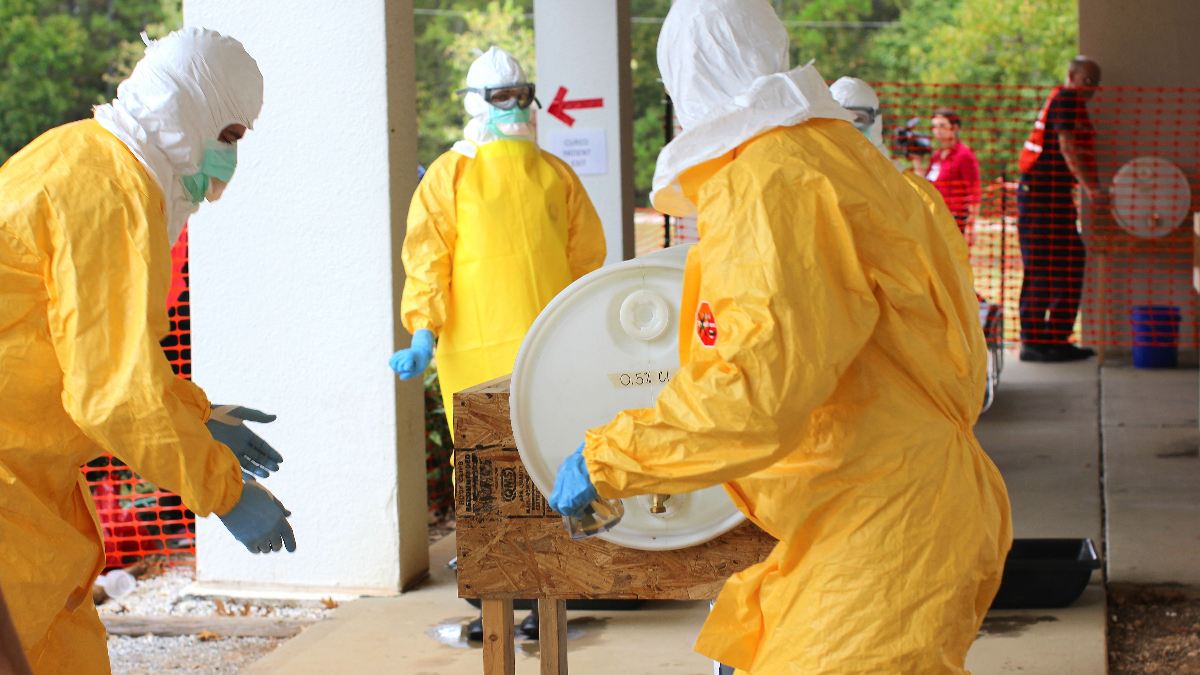
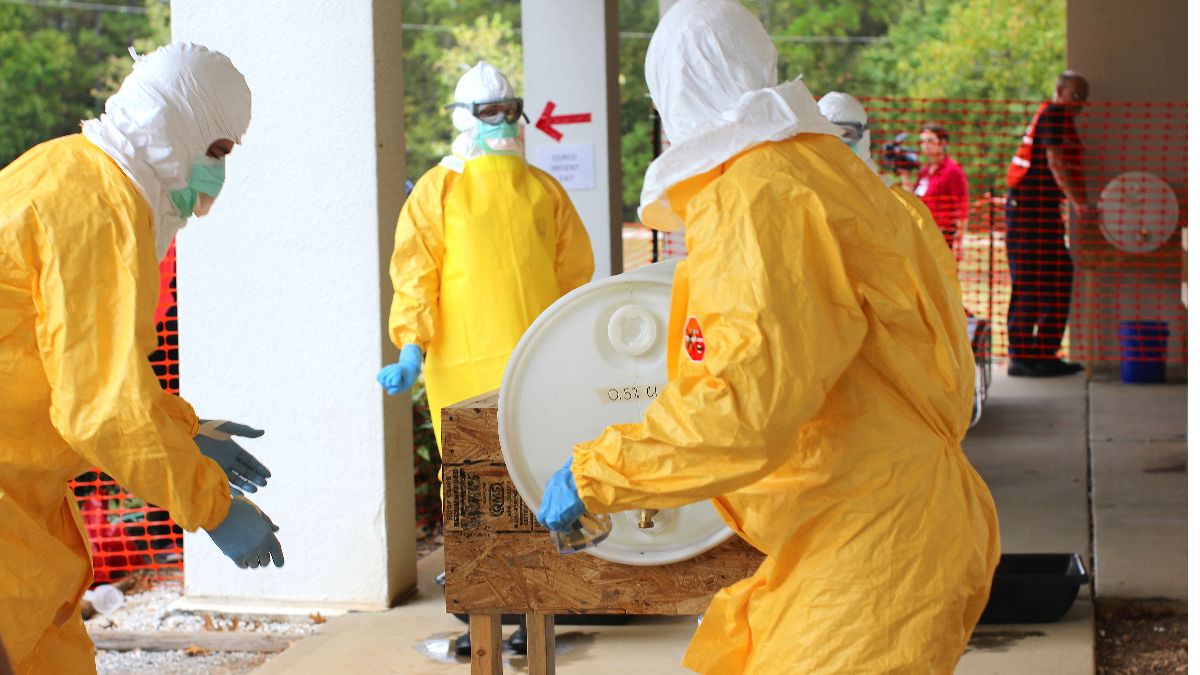
World Health Organisation (WHO) emergency response teams, local health authorities, and international humanitarian organisations are involved in emergency response work in affected areas. Thousands of healthcare workers are on surveillance, treatment, vaccination campaigns, and public awareness programs to reduce transmission. But the outbreak is still very difficult due to logistical challenges and public distrust in some areas.
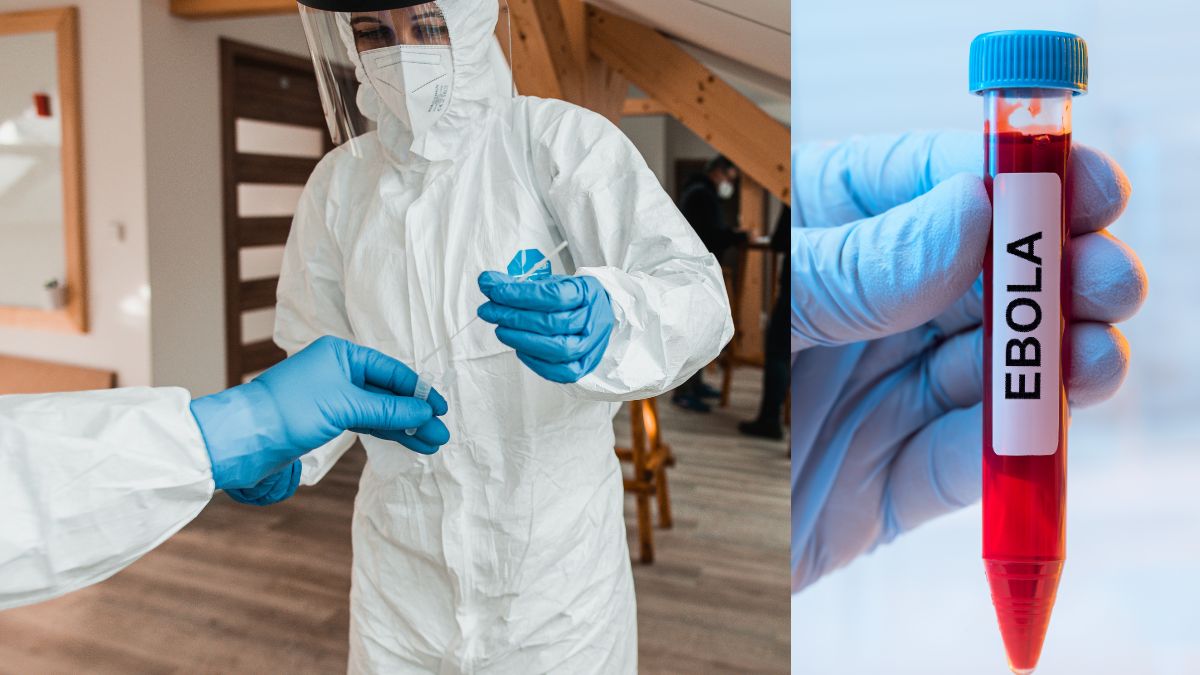
Vaccination is still one of the most effective tools used to control Ebola outbreaks. Health officials have stepped up ring vaccination efforts, where close contacts of sick people and frontline workers get vaccines to prevent further spread. While these efforts have halted some of the spread in some areas, new clusters of infections are continuing, and we are worried about the next phase of the outbreak.
The increased number of cases also has raised fears of cross-border transmission. Neighbouring countries are beefing up screening measures at border crossings, airports, and transportation hubs to prevent the virus from spreading beyond DR Congo's borders. Regional governments are working closely with international health agencies to monitor events and respond quickly to suspected cases.
The outbreak is affecting society more than health in the immediate sense - it's also having a strong social and economic impact. Schools have been disrupted, local businesses have been destroyed, and resources that could have been placed on other medical conditions are being used to aid in Ebola response efforts. Social anxiety among communities affected by the outbreak also means psychological stress, stigma, and uncertainty about the future.
Experts from global health care say that the outbreak is a reminder of the need for continued investment in healthcare infrastructure, disease surveillance, and emergency preparedness. The recurring Ebola outbreaks in Central Africa indicate the need for better health systems to be able to respond quickly to new disease outbreaks.
As the extent of the crisis has become clear, international support for DR Congo has increased with the outbreak’s scale. Nations, aid organisations, and philanthropic organisations have also put forward more money, medical supplies, and technical support and equipment. But they say that monitoring and long-term commitment will be critical to control the epidemic.
As the outbreak approaches a final crucial stage, healthcare professionals are trying to break the chains of transmission and prevent further loss of life. Much progress has been made with Ebola diagnosis and vaccination in recent years, but the current crisis is a stark reminder that infectious diseases are still a major global health concern.
The next few months will be crucial in seeing if DR Congo will be able to control the outbreak or if the epidemic will continue to spread to the region and the world, and its impact will become more severe and risk-laden, with the possibility of a growing epidemic in the region and the rest of the world.