As the World Meteorological Organization (WMO) warned that the months between July and September are likely to see significant weather disruptions due to ongoing weather disturbances as a result of the continuing impact of El Nino (a naturally occurring climate pattern that alters global weather systems).
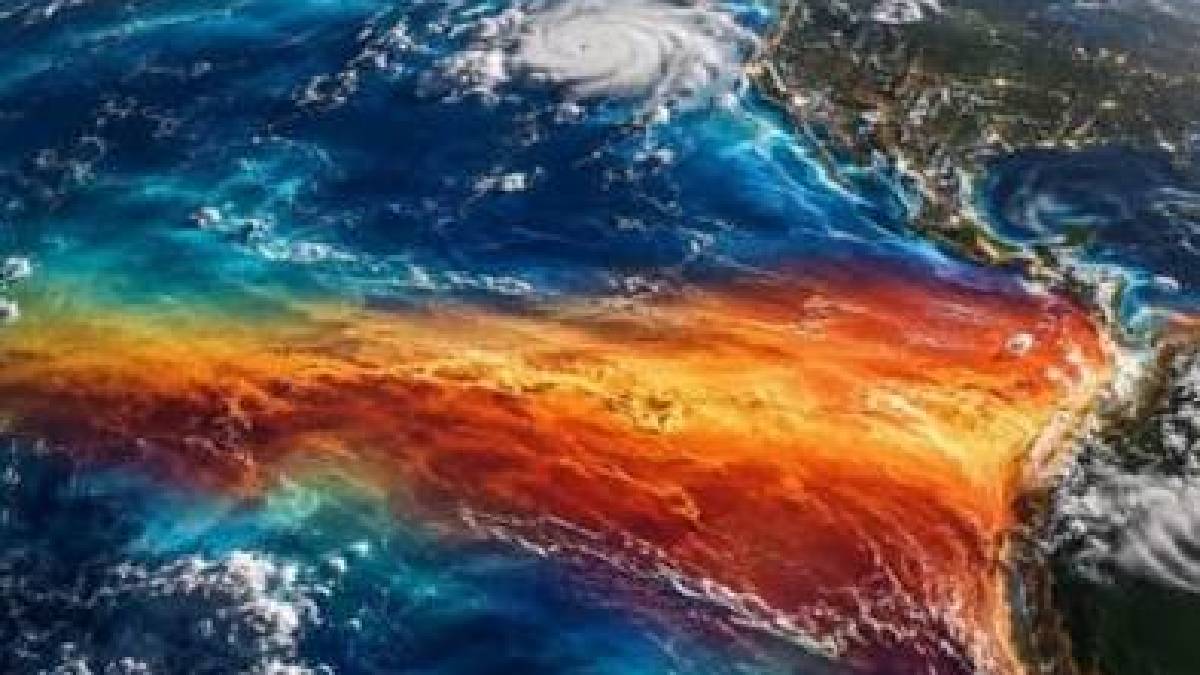
El Nino is a Pacific Ocean-based phenomenon but impacts the world’s weather system on continents in many areas and contributes to rainfall, temperatures, storms, droughts, and agriculture.
El Nino can mean higher-than-average temperatures and unusual rainfall patterns can occur in many parts of the world, the WMO said.
It is not the same for every El Nino event and experts do believe it can also lead to more extreme climate extremes, especially if combined with the long-term impacts of global warming.

El Nino occurs when sea surface temperatures in the central and eastern tropical Pacific Ocean become warmer than normal.
This warming alters the overall atmospheric circulation and weather is affecting the weather much beyond the Pacific.
South America could experience heavy rainfall and flooding and parts of Australia, Southeast Asia and South Asia are often experiencing below-normal rainfall and increased drought risk.
As for India, meteorologists are watching El Nino very closely because it can weaken the southwest monsoon -- which is crucial for agriculture and water supply in India.
A weaker monsoon can mean less crops, lower reservoir levels and lower incomes in rural areas. But weather experts maintain that the impact of El Nino will be only one of many factors that affect the Indian monsoon and that weather can be very diverse in the region.
The WMO also said that global warming related to climate change is also affecting natural climate events (e.g. El Nino).
That means more heat and more storms and heavier rainfall and longer dry spells. Scientists believe that the interrelated effects of all of that are increasing the risk of weather-related disasters worldwide.
From July to September, a number of different regions will experience longer heatwaves, flash floods and shifted rainfall patterns.
Governments and disaster managers worldwide should further expand their preparedness precautions, enhance early warning systems, and inform people about the risks.
The agriculture sector is one of the most vulnerable in El Nino years. Farmers could see delays in rainfall, less soil moisture, and lower crop yields in drought-prone areas.
Water resource managers should also be sure to plan for that as reservoirs and groundwater supplies could be at risk if rainfall is below average.
Health experts say extreme heat can lead to heatstroke, dehydration, and other heat-related illnesses in children, older adults, and outdoor workers.
Heavy rainfall and flooding can also accelerate the spread of waterborne diseases, they say.
The WMO is still tracking global ocean temperatures and atmospheric conditions and working closely with national meteorological organizations to make regular forecasts.
Scientists say that El Nino is a natural climate phenomenon but preparedness and timely action can dramatically reduce its impact on communities.
Governments, farmers, businesses and the public should keep up with weather updates as well as local advisories. Climate variability is increasing and understanding El Nino and preparing for its effects is crucial.