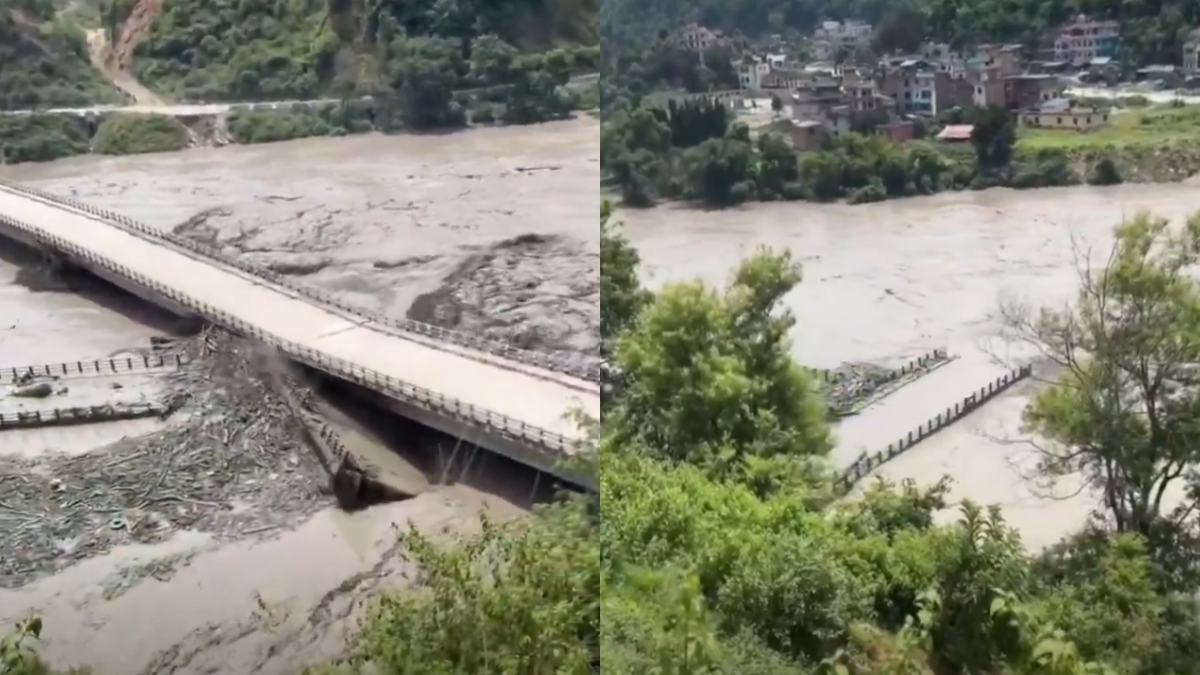
A devastating flash flood that hit the Nepal-Tibet border on August 26 has left behind widespread destruction, hundreds of missing people and a huge rescue operation. Videos and social media footage showing a herd of elephants being swept downstream and eventually surviving have been published and circulated by Indian and international media in the wake of a disaster in Nepal and abroad while the country is dealing with one of its most severe recent natural disasters.
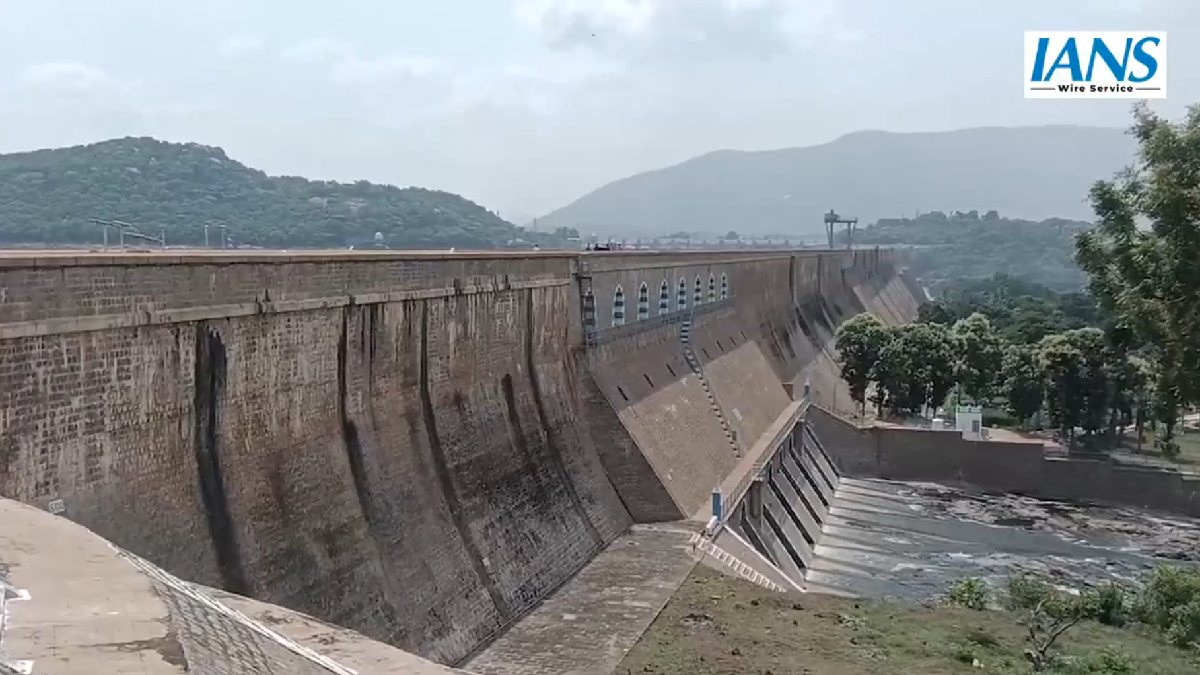
According to reports, the flood occurred in the Himalayan region after a large amount of ice, rock and debris fell overnight and flooded the river valleys in Nepal. An earthquake or landslide was suggested to have caused the disaster, but subsequent scientific analysis showed that an ice-and-rock collapse was a major cause of the disaster.
Nepal Police said some 157 bodies were recovered as of August 26, and hundreds of people were missing. Foreign tourists and Indian nationals were among the missing. On the Tibetan side of the border, Chinese officials reported deaths and hundreds of missing people. Rescue teams have been operating under extremely challenging conditions with roads and communication links broken and high water levels making it hard for helicopter operations.
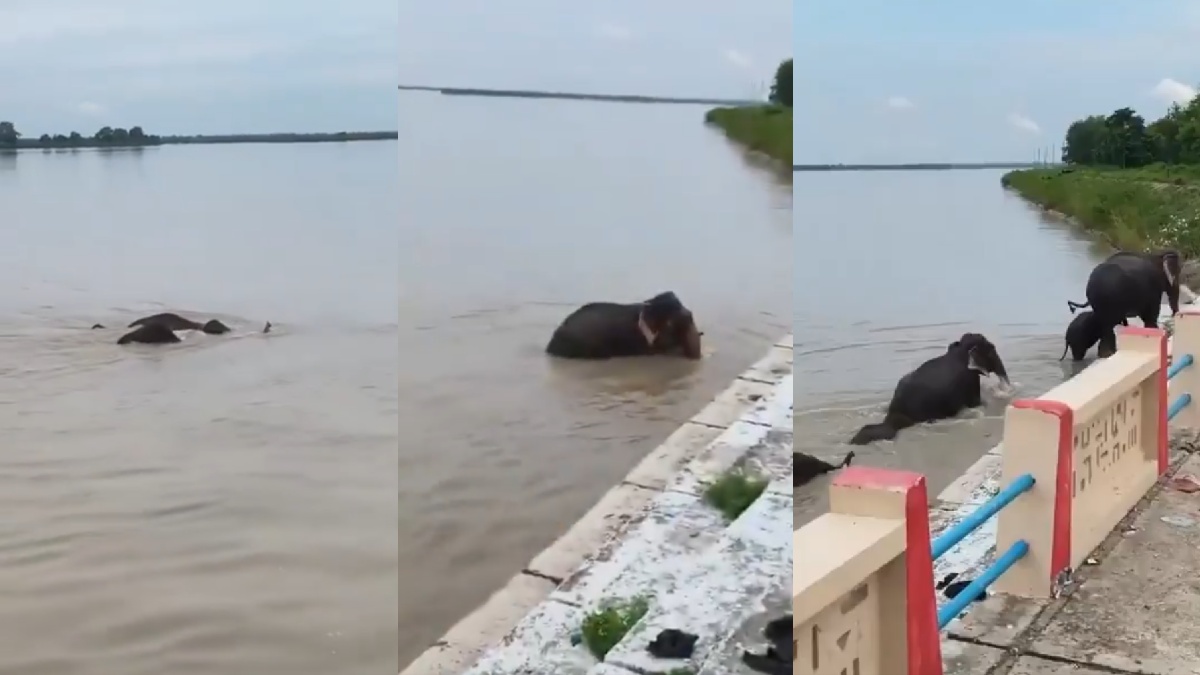
In this grim light, the reported survival of elephants has made for an unusual and emotional story. Videos circulating online show elephants caught in torrential floodwater before reaching safer ground in India. Some social media users believe the animals were carried downstream before they got to the places on the river systems in the Nepal-India border.
But the details of the elephant footage and its location and timing have not been independently established in the major reports of the Nepal disaster. The flood was most widely reported to have affected the Bhote Koshi and Trishuli river systems and the floods then moved downstream through the Gandak system towards India. So the claims that the animals reached the Karnali River area should be treated cautiously until wildlife authorities or independent sources verify them.
The emotional reaction to the footage has been significant. People have said the elephants’ escape was an extraordinary moment of hope amid scenes of disaster. The animals’ resilience has been celebrated on social media and people have referred to them as “the $5 survivors” in an attempt to get donations for relief money. It seems to be a social media-driven, not a scientific, term for the animals.
Elephants are highly social animals and usually move in family groups, so to save a whole herd if the footage shows the current disaster is particularly impressive. The ability to navigate changing terrain, water and vegetation can sometimes help them respond to environmental threats, but even large mammals are at risk in a flash flood.
Look at this extraordinarily brave elephant herd, staying together, protecting their young and fighting raging waters ! Heartbreaking, yet an extraordinary story of resilience. Amid the devastating floods in Nepal, a herd of five wild elephants, three adults and two young calves,… pic.twitter.com/6hW4LQ920m
— Supriya Sahu IAS (@supriyasahuias) August 27, 2026
It is also a real elephant story, because natural disasters affect wildlife and human communities in a similar way. Floods can destroy forests, grasslands, riverbanks and animal habitats, forcing wildlife to move into unfamiliar places in search of higher ground and food. In South Asia, where wildlife habitats often intersect with human settlements and river systems, large floods can create additional obstacles for both animals and people.
The focus for Nepal for now remains to rescue those who are still missing and repair damaged infrastructure and support the affected communities. India also is responding to the situation and downstream countries are monitoring river levels and preparing for flooding.
If this elephant footage is finally proven authentic, then the herd’s journey could become one of the most interesting wildlife survival stories of the disaster. But until then, the images are a potent reminder that the disaster’s effects extend well beyond human populations and wildlife can also be an unnoticed victim of catastrophic floods.