Indian Railways is embarking on a massive expansion of infrastructure to strengthen some of the country’s busiest and most strategically important railway corridors. Seven high-density rail lines spanning approximately 11,000 kilometres are set to be expanded to four tracks, an expansion that is expected to greatly increase railway capacity, reduce congestion and facilitate travel of passengers and freight across large parts of India.
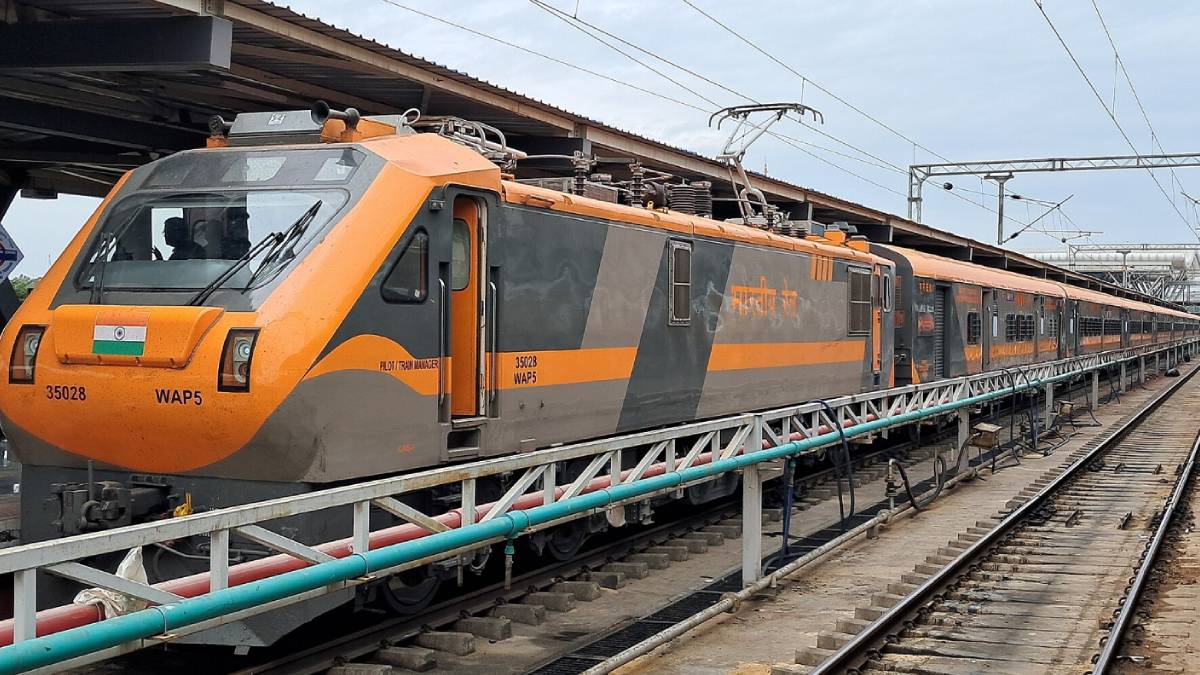
The seven corridors identified for the expansion connect several of India’s largest cities and economic centres. They include the Delhi-Howrah route, Howrah-Chennai route, Chennai-Mumbai route, Mumbai-Delhi route, Delhi-Chennai route, Mumbai-Howrah route and Delhi-Guwahati route. In the end, these are all part of India’s railway network and carry high volumes of passenger and freight traffic every day.
The move toward four-track infrastructure is particularly important in that a lot of these corridors already run at high volumes when traffic is heavy. Increasing railway lines’ capacity by more tracks can give more flexibility to schedule trains. Additional tracks can also make passenger and freight services more compatible to avoid delays and the network will be more reliable overall.
The Delhi-Howrah corridor is one of the most important railway routes in our country. It connects the national capital with eastern India and serves major cities and industrial centres along its way. The Howrah-Chennai route is another key east-south link for connecting eastern India with the southern railway network. Similarly, Chennai-Mumbai and Mumbai-Delhi corridors connect major commercial hubs and provide significant passenger and freight movement.
The Delhi-Chennai and Mumbai-Howrah corridors also strengthen connections between India’s northern, southern, eastern and western regions. The Delhi-Guwahati route is crucial for connecting the national capital with the northeast. Better operations on this corridor would further enhance the connectivity between passengers and goods that flow through the Northeastern region and other parts of the country.
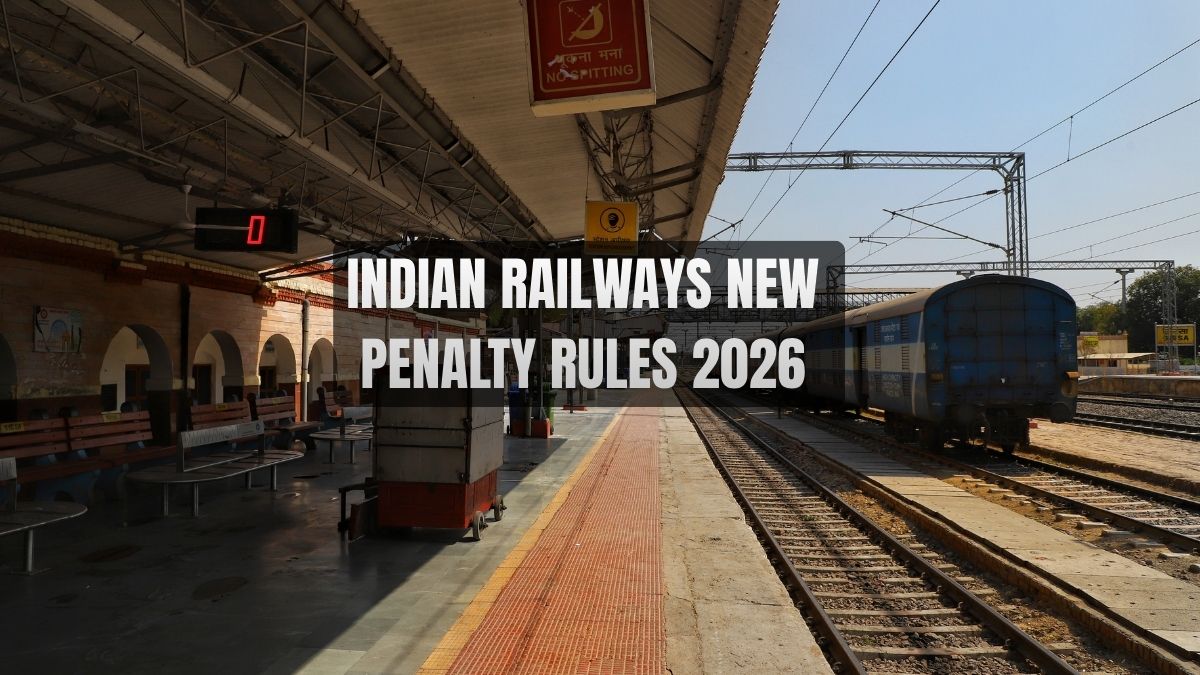
The expansion is about providing more capacity without having to build whole new railway corridors. Railways can manage or be better separated in four-track sections. Depending on the needs of the organization, additional tracks could be used to accommodate faster passenger trains, long-distance services and freight trains and not to put a road in front of existing lines.
In India’s larger effort to modernise railway infrastructure, the expansion also fits in. In the past few years, the railway authorities have focused on electrification, track upgrades, signalling improvements, station redevelopment, dedicated freight infrastructure and higher-speed train services. Increasing track capacity on high-density routes is an important part of this larger transformation.
For passengers, better infrastructure may result in more trains in service, more punctual and more flexible scheduling. Though infrastructure expansion cannot necessarily result in instant improvements in every part of the railway network, more track capacity allows railway operators more space to introduce services and deal with disruptions.
The freight sector itself could also benefit greatly. India's railways carry tons of coal, steel, cement, food grains, petroleum products and other commodities to the market. The congestion on high-density passenger routes can also affect freight movement as both the passenger and goods trains share the same infrastructure. Increasing the number of tracks could therefore improve freight movement and passenger services in general.
The scale of the project is enormous. Expanding around 11,000 kilometres of high-density routes to four tracks involves significant engineering work, land and construction requirements, signalling upgrades and operational planning. Work on different sections may progress at different speeds depending on the local conditions, traffic requirements, clearances and project priorities.
The expansion will also help India’s economy in the long run as it will connect the major production centres, ports, markets and consumption centers to one another. Rail transport would be more efficient and would reduce logistical bottlenecks, and businesses would have more reliable means to move goods over long distances.
With seven major corridors to be extended with four-track capacity in the pipeline for the expansion of the existing four-track corridors, Indian Railways is looking to add to the backbone of its existing network. The move is to increase capacity to the routes that are already in demand and not only add new lines to the existing ones but also new lines to meet such high demand.
The passenger and freight traffic in India is growing so fast that this is going to become increasingly important now in order for trains to move more efficiently and safely. The use of four-tracking of these high-density corridors will thus help prepare the railway network for future demand and to a greater extent improve connectivity between some of the country’s most important cities and regions.