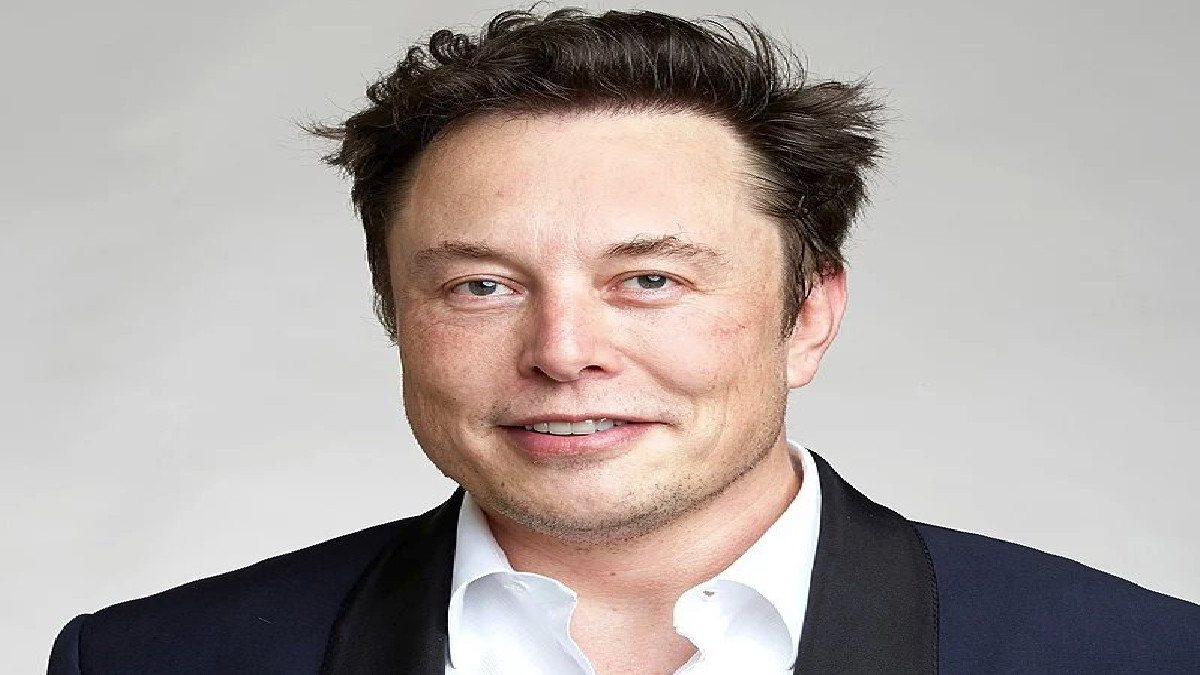
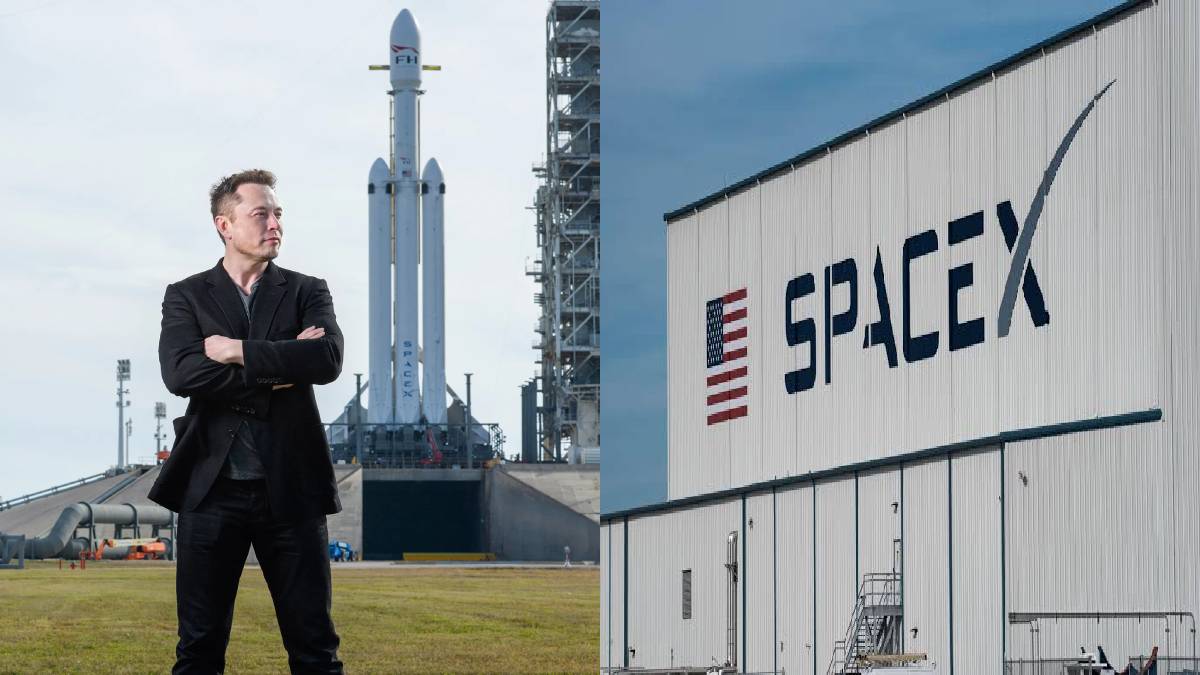
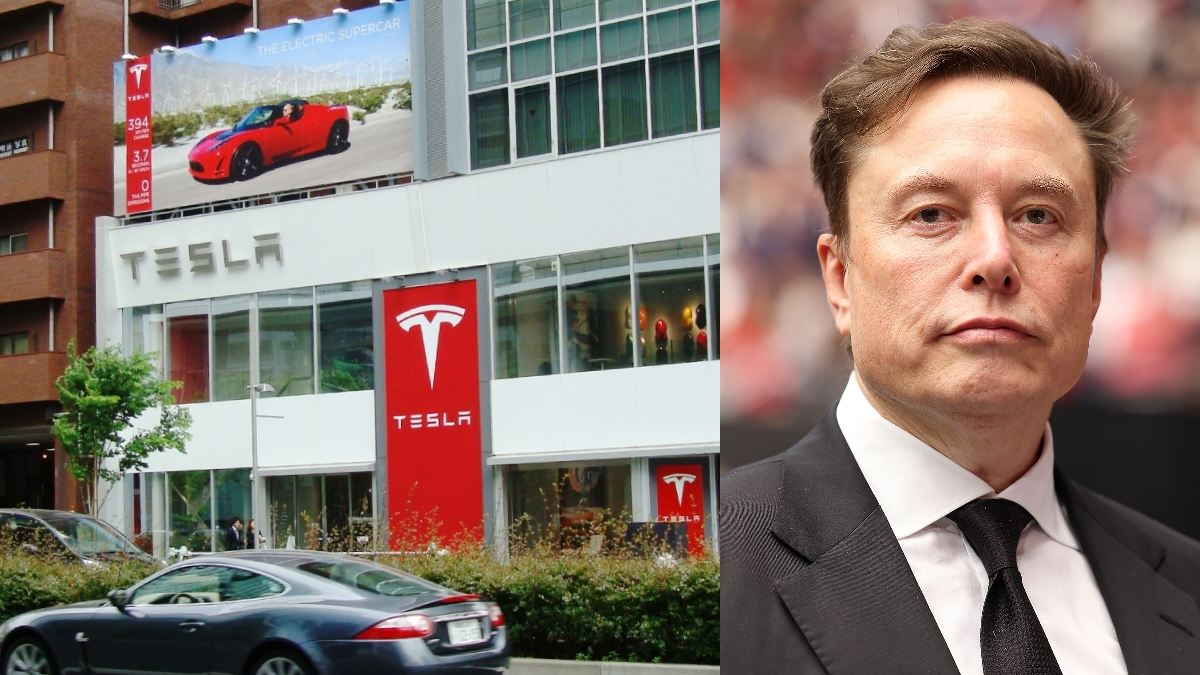
Elon Musk has once again reminded us of the huge economic potential of artificial intelligence and robotics, and if we can get ahead of Europe, the U.S. will be in for much faster growth than Europe. Musk's prediction is consistent with his long-standing belief that AI and humanoid robots would revolutionize productivity, manufacturing, and the way economies operate.
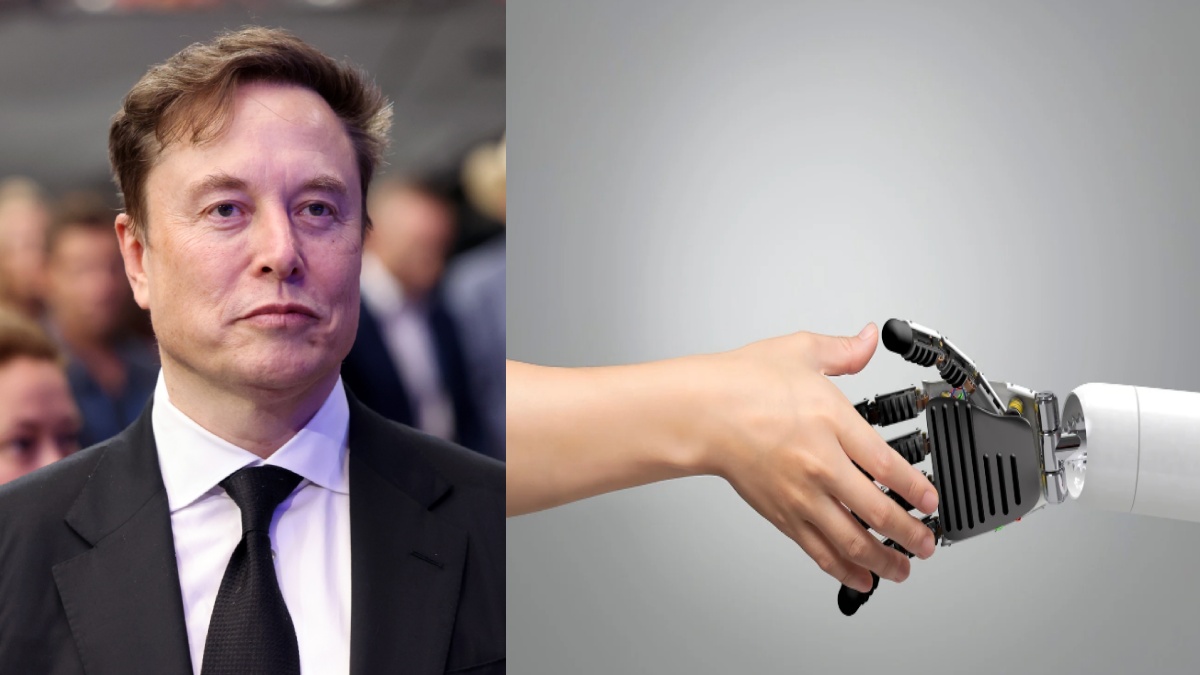
The statement that America's economic growth from much faster AI and robot adoption could exceed Europe's by more than ten times is a particularly striking forecast. It should be viewed as Musk’s projection rather than an established economic forecast, but it comes amid growing evidence that the United States is currently ahead of several European economies in workplace AI adoption.
Research by the Federal Reserve Bank of St. Louis and Brookings offers some support for the broader notion that there is a serious adoption gap. Their 2026 survey found that 43 percent of US workers reported using generative AI for their jobs, compared to an average of 32% in the European countries they examined. The researchers find that those sectors with greater AI adoption have experienced faster productivity growth, but the data are not evidence for a causal link.
This difference is important because AI is increasingly seen as a general-purpose technology that can affect almost every part of the economy. And unlike technologies that are made for a particular industry, AI can also be applied in software development, customer service, manufacturing, research, logistics, finance, healthcare, and education. The economic impact will become much bigger as businesses incorporate AI into more tasks.
Musk’s argument goes a step further by combining digital AI with physical robotics. Artificial intelligence may do or aid with cognitive tasks, but robots can bring automation into the physical world. Factories, warehouses, and other workplaces might use more and more advanced machines to perform repetitive or physically demanding tasks. Musk has frequently argued that the combination of advanced AI and a huge number of robots could produce extraordinary economic productivity growth.
At the World Economic Forum in Davos earlier this year, Musk described AI and robotics as pathways to an “abundant future” and argued that widespread AI and robotics could lead to economic growth unlike previous technological changes. He also predicted that robots could eventually outnumber humans.
The economic rationale for the argument is fairly straightforward. Of course, economic output depends on how much labor, capital, and technology can be used effectively. If AI can help workers complete tasks more efficiently and robots can do more physical work, much more will be produced in terms of goods and services.
But turning technological capability into economic growth is not automatic. Businesses must invest in technology, workers need to be trained to use it effectively, and organizations need to change how they operate. Regulation, infrastructure, access to computing power, electricity availability, and investment conditions can also affect how quickly new technologies spread.
This is one of the areas where the US appears to have an advantage. The St. Louis Fed research found that US firms and workers are more likely than their European counterparts to adopt AI, while management practices and companies actively encouraging employees to use AI are strongly linked to adoption rates.
The difference is not uniform across Europe. Some European countries have much higher AI adoption rates than others. Workforce adoption rates in six European countries ranged from about 36% in the United Kingdom to about 26% in Italy compared to 43% in the US. This suggests that describing Europe as a single technological market can mask some differences between countries.
Europe also enjoys significant strengths in industrial manufacturing, engineering, scientific research, and advanced technology. European companies are already active in AI in automation, robotics, automotive manufacturing, aerospace, and other sectors where AI could have major applications. The question will therefore not only be whether Europe will adopt AI, but how quickly businesses and governments can scale its use.
Regulation is also important. European policymakers have generally been less adventurous in their approach to artificial intelligence regulation, while in the United States, the emphasis is more on innovation and investment. European policymakers say that better controls will help to address privacy, safety, and accountability problems, and European companies will benefit from stronger regulations. But critics say too much regulation is going to slow the adoption of technology and make European businesses less competitive.
The International Monetary Fund has also highlighted the potential economic benefits of AI for Europe, but warned that productivity gains will depend on policy choices, investment, and structural reforms. AI can boost productivity, but the extent of this will depend on how well economies nurture the adoption of AI.
Robotics adds another dimension to the debate. AI software could help millions of workers, but robots do not necessarily replace their physical labor, whereas humanoid or specialized robots may eventually automate physical tasks. If robots become sufficiently capable and affordable, companies could deploy them in manufacturing, logistics, and other sectors.
Musk’s companies are deeply involved in this technological vision as well. Tesla is developing its Optimus humanoid robot, and Musk has also predicted a future in which AI and robotics are embedded into the economy. Because of this direct involvement in the development of these technologies, his predictions are informed by them.
The potential benefits are immense, but the uncertainties are also great. Economists are still debating how much AI will increase productivity, how quickly businesses will adopt it, and how the labor market will respond. The evidence is still relatively new because widespread generative AI adoption is only a few years old.
The St. Louis Fed research has so far found no clear evidence that higher AI adoption at the industry level has resulted in significant job growth or job losses. But researchers warn that this could change if the technology is increasingly implemented and becomes integrated into the workplace.
This uncertainty is crucial when considering Musk’s claim of more than tenfold differences in economic growth. The gap would represent a startling divergence between two major economic regions and would depend on many factors beyond AI adoption alone. Productivity growth, investment, demographics, energy costs, education, infrastructure, trade policy, and broader economic conditions would all play a role.
Even so, Musk's warning about the importance of technology adoption is garnering attention because history provides examples of countries that benefited from adopting transformative technologies more rapidly. The United States’ earlier adoption of computers and information technology has been linked to its stronger productivity performance compared to Europe over several decades. The current AI transition could create another divergence if adoption patterns are significantly different.
So the debate seems to be less about whether AI will matter now so much about how quickly the economic impact of AI will take hold and who will benefit from it. The US has a strong position in AI development, investment and adoption of the technology in AI development and investment and adoption, and Europe has a number of industrial and research capabilities that might be able to make the gap between it and Europe to do so very much more.
Businesses are increasingly entering an AI race and business adoption is more and more a strategic concern. AI innovation within organizations can reduce costs, increase productivity and produce new products and services. At the same time, firms that do not follow suit face competitive pressure from more technologically advanced foes.
For workers, the transition could change the skills that employers value. For companies, knowledge of AI tools, data analysis, digital systems and technology-enabled workflows will be critical in many fields. Education and training will then be important in determining how societies will be able to use AI to be able to make the most of the change while still being able to cope with the disruption.
Elon Musk's prediction is one of the more dramatic visions of the AI-powered economy. But whether the US could actually grow faster than Europe in the future even with AI and robotics is still open to debate. What is clear is that the speed of technological adoption is becoming an increasingly important factor in economic competitiveness.
With US workers today reporting higher AI usage than workers in several European economies, the foundations of a technology-driven productivity gap are already visible. The next phase will depend on how quickly companies deploy AI, how well robots move from prototypes into real-world workplaces, and how governments balance innovation with safety and regulation.
Musk’s prediction may be too optimistic, but it brings out a fundamental question for both sides of the Atlantic: will AI and robotics lead us into a new era of economic growth, and what economies will be best positioned to accommodate that growth?