A new political fight has erupted since billionaire entrepreneur Elon Musk attacked New York City mayoral candidate Zohran Mamdani for his plan to open government-owned grocery stores.
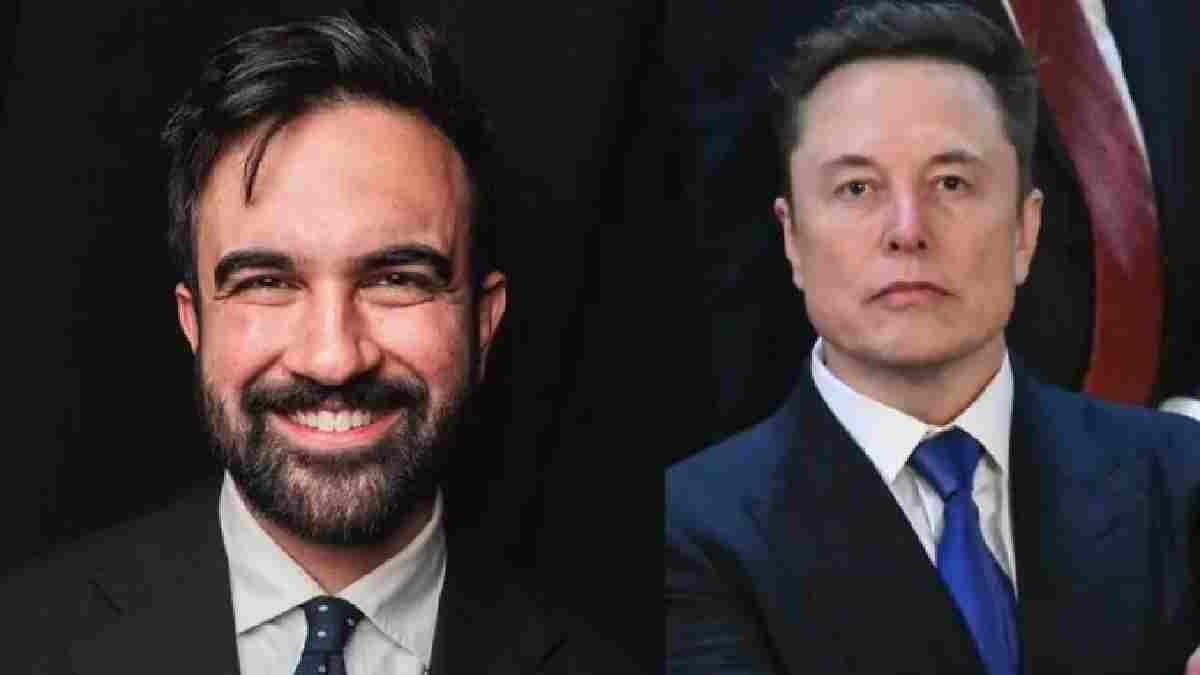
Musk, who is politically active and has a wide-ranging political philosophy and deep-seated economic beliefs, brands Mamdani as a “thief and a liar.”
The controversy started when Mamdani repeated his campaign promise to bring city-run grocery stores to neighborhood residents at affordable prices. The idea is to curb rising food prices and give fresh produce to the less well-off.
Publicly-run grocery stores would reduce food insecurity, and they could even compete with private retailers, they say.
But the idea has drawn fire from free-market advocates, including Musk. Musk, who has been an advocate of the move on social media, accused Mamdani of propagating policies that would put taxpayers in a position to suffer and hurt private businesses.
Musk’s post was quickly picked up and the web debate about government involvement in critical services raged on.
Mamdani, a democratic socialist and member of the New York State Assembly, is pitching his political argument on more public services and cheaper living. His grocery store plan is the best of many: affordable housing, more public transportation and stronger tenant rights.
Government-run grocery stores, some say, could be unsustainable and inefficient if they become government-owned.
Public money should be used to supplement existing food assistance programs or to get private businesses to expand into underserved communities or to encourage them to do so.
But they say that similar publicly supported food initiatives have been successful in other parts of the world. And they say a bigger competition from city-owned stores may actually mean lower prices and more food that can be purchased in neighborhoods often referred to as “food deserts.”
Musk’s remarks are once again exposing a growing divide between those who advocate for free-market capitalism and those who are more in favour of government involvement in the public welfare.
Musk has also openly criticized socialist policies, but Mamdani has defended his vision as a practical response to ever-increasing living costs for working-class families.
The exchange quickly became an Internet-driven topic and social media users poured in to comment on how government should play a bigger role in food distribution.
Political analysts say the controversy might only galvanise both supporters and opponents of Mamdani ahead of the upcoming elections.
Although Musk’s comments made headlines, they also raised the bar on inflation, food affordability and the future of urban policy. And whether Mamdani’s plan can get broader political support has yet to be seen the debate has only brought the city’s cost of living to the fore.
And the tension between one of the world’s most influential business leaders and a rising progressive politician indicates the increasing polarization of economic policy in the US.