The European Union is preparing to forward new proposals that set minimum age limits for accessing social media platforms, one of many measures to improve online safety for children and teenagers. The proposal is expected to be presented this summer and forms the basis of a larger European Union campaign to create a safer digital landscape while making tech companies more accountable for protecting young users.
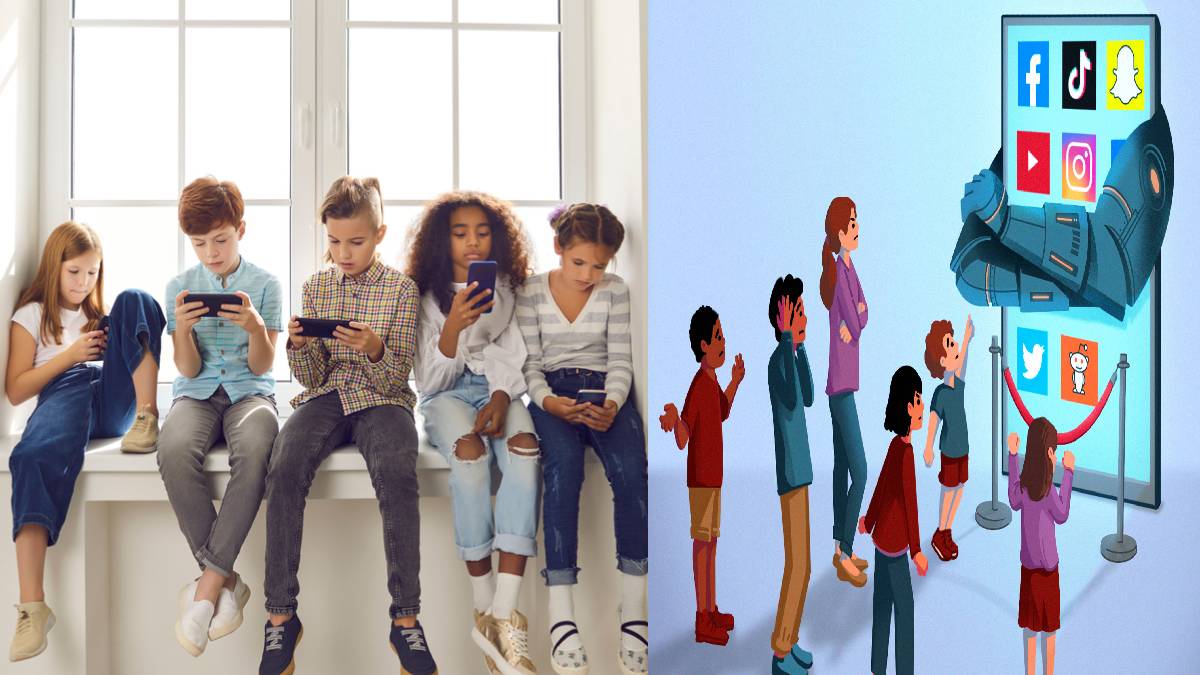
European policymakers are increasingly alarmed at how much social media use affects kids’ mental health, privacy and overall well-being. Cyberbullying, harmful content, addictive platform designs, and exposure to misinformation are all new topics to be investigated in recent years, and the pressure for more restrictive regulations on minors accessing the internet of things is growing.
Under this framework, the EU would have a common minimum age requirement for people to create or maintain social media accounts. That age is now not fixed, but officials are exploring stronger age verification systems that would help platforms to prevent younger users from bypassing existing restrictions.
The initiative is meant to complement existing digital legislation like the Digital Services Act (DSA), which already requires large online platforms to take stronger measures against illegal content and reduce risks to users. European regulators would like to see more uniform rules for children’s access across the whole EU and harmonization of regulated practices between governments in the countries.
If the proposal is implemented, technology companies will also have some additional responsibilities. That could be setting up privacy-by-default settings for minors, targeting advertising for children, more parental control, and more transparency with recommendation algorithms that influence what young users see online. Platforms will also need to assess the risk for children regularly.

All of these social media companies, as proposed rules and already have safety measures in place, protect the youngest people, they say. They say stronger laws would allow the platforms to create services that are about children in need of safety rather than getting more users to get involved. Long-term social media use has been linked with anxiety, depression, sleepiness, and a lack of attention span among adolescents as well.
But that would be an open one for policymakers, digital rights groups and tech firms to debate. The requirement of age verification as a condition for accessing online services is in violation of privacy laws if users have to provide a list of their identity documents and biometric information.
Technology companies will also be interested in how age verification systems can be constructed without compromising personal information. Several companies already use AI-based age estimation tools and other verification tools to balance user privacy and regulatory compliance.
The European Union’s approach is in line with a global trend of stricter oversight of children’s online experiences. Legislation that is currently being considered or has been passed around the world to curb the access of young people to social media or to enhance child safety standards on digital platforms is part of the agenda. As online harm worsens, regulators are pressing technology companies to create safer digital environments around the world.
The proposal hasn’t been officially made public, but it’s a sign that the EU is still trying to push in that direction in terms of digital protection for minors. If adopted, the new rules would change how social media sites work in Europe and the way they are used in other countries. Policymakers, technology companies, educators, parents, and child safety experts will have to weigh freedom online, privacy, and protecting young users, and the balance will be weighed over the coming months.