So Europe is once again experiencing an uncharacteristically extreme heatwave, but the problem is bigger than hot temperatures. From deadly health emergencies and transport snarls to falling infrastructure and cancelled public events, the continent is now experiencing the consequences of climate change in real time.
Millions of people in Germany, France, Poland, the Czech Republic, Hungary, Romania and many other European countries are experiencing one of the most intense heatwaves in recent years. Scientists said the frequency and severity of these extreme weather events are being amplified by human-driven climate change, and as greenhouse gas emissions have dramatically increased, prolonged periods of extreme heat have become more and more common.
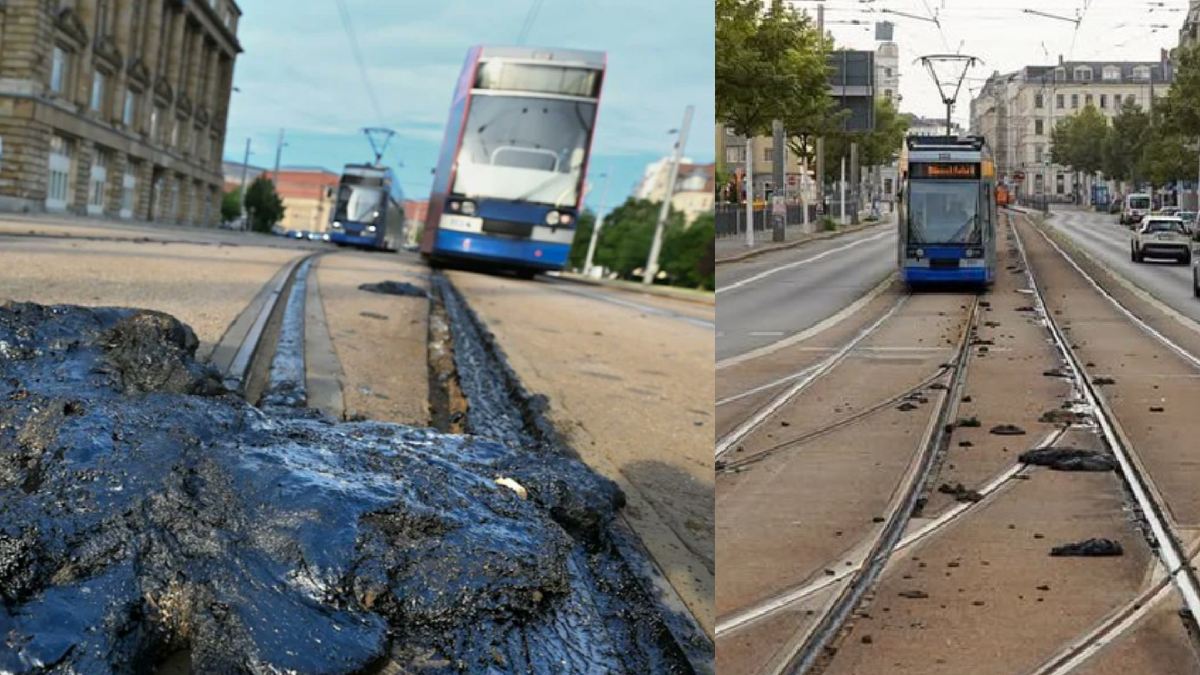
The most dramatic scenes of the crisis were from Leipzig, Germany, where the tram service was halted in the city as high temperatures caused the railway tracks and key rail infrastructure to melt and damaged railway tracks were destroyed by extreme heat. High temperatures caused deformation of track parts and softened asphalt and bitumen surfaces, and tram services were unsafe until emergency inspections were carried out, officials said.
The incident has been a growing concern in Europe - much of the continent’s infrastructure was built to work in a cooler climate and is struggling to cope with long-term high temperatures. Roads, railway networks, power grids and public transport systems are increasingly under pressure as temperatures continue to break historical records.
Heatwave Claims More Than 1,300 Lives
The human toll has been even more alarming.
According to the World Health Organization (WHO), the current heatwave has been linked to ‘more than 1,300 excess deaths across Europe since June 21’. Health officials say the number could be even higher as temperatures become so extreme in large parts of the continent.
WHO director-general Dr. Tedros Adhanom Ghebreyesus called heat stress a “silent killer” and urged governments to strengthen heat-health action plans and protect vulnerable groups including the elderly, young children and people with chronic diseases.
France has now seen more than 1,000 additional deaths since June 24 alone, health authorities say, with deaths among elderly people living alone skyrocketing. Hospitals in some regions have also reported an increase in admissions for dehydration, heatstroke and cardiovascular complications.
Germany had one of its warmest nights on record. The town of Kubschuetz had a minimum temperature of 29.4°C overnight, the highest night temperature there in nearly 150 years. Normally, the temperature drops down after sunset so people and infrastructure can cool down. This time, it was a constant heat all night.
The Czech Republic also shattered records, with Doksany recording 41.1°C, one of the highest temperatures ever recorded in the country.
Leipzig halts all tram services after extreme heat damages tracks
— non aesthetic things (@PicturesFoIder) June 29, 2026
Record-breaking temperatures of 41.7°C damaged tram tracks and switches across Leipzig, Germany, forcing the city to suspend its entire tram network until repairs could be completed pic.twitter.com/7D91MOeHU6
Cities Scramble to Protect Residents
As temperatures continue to surge, governments and local authorities across Europe have launched emergency heat response measures as temperatures continue to soar.
Berlin’s police used water cannon—not to control the crowd but to spray water throughout public areas to cool down residents. If the heatwave continues, the same operation might continue, authorities said.
Romania has issued its highest-level red heat warning, while meteorological agencies estimate that almost 190 million Europeans could experience temperatures of 35°C or higher during the current weather system.
Public cooling centres, longer swimming pool hours, drinking water stations and emergency medical teams have also been put in place in several cities to reduce the health risk associated with prolonged exposure to extreme heat.
🚨 Europe is gripped by an intense #Heatwave as soaring #Temperatures send #People rushing to buy #AirCoolers , #Fans #PortableACs, and other #Cooling essentials. Authorities are urging everyone to stay hydrated, avoid peak heat, and take precautions. ☀️🌡️ #Heatwave #Europe pic.twitter.com/gH93dhxtIq
— Rajesh Kumar Reddy E V (@rajeshreddyega) June 27, 2026
Festivals Cancelled, Daily Life Disrupted
The relentless temperatures have also disrupted major cultural and public events in Europe.
France’s Garorock Music Festival and Solidays Festival in Paris were cancelled because of the extreme weather that was too unsafe for people to attend. There have been heavy losses for charities that depend on revenue generated through these venues.
Organisers of the event had also postponed the Paris Pride due to safety concerns and fears that large outdoor gatherings could put more pressure on already stretched emergency medical services.
Climate Change Debate Intensifies
Climate scientists say the latest heatwave is just the latest reminder that Europe must prepare for a future in which extreme weather takes place more frequently and more severely.
Experts say that emergency measures such as cooling centres and heat alerts are only short-term solutions. Long-term adaptation involves a huge investment in “heat-resistant infrastructure,” climate-resilient cities, greener urban spaces, improved transport infrastructure and better public health systems to deal with long-term hot weather.
With temperatures still breaking records all across the continent, Europe’s record-setting heatwave has turned into not just an extreme weather event but a global weather event. These are just the kind of things that can only be considered “hard-hitting” heatwaves, and the governments need to change to cope with climate change and to meet the challenges and risks posed by climate change, because extreme heat will become the new normal.