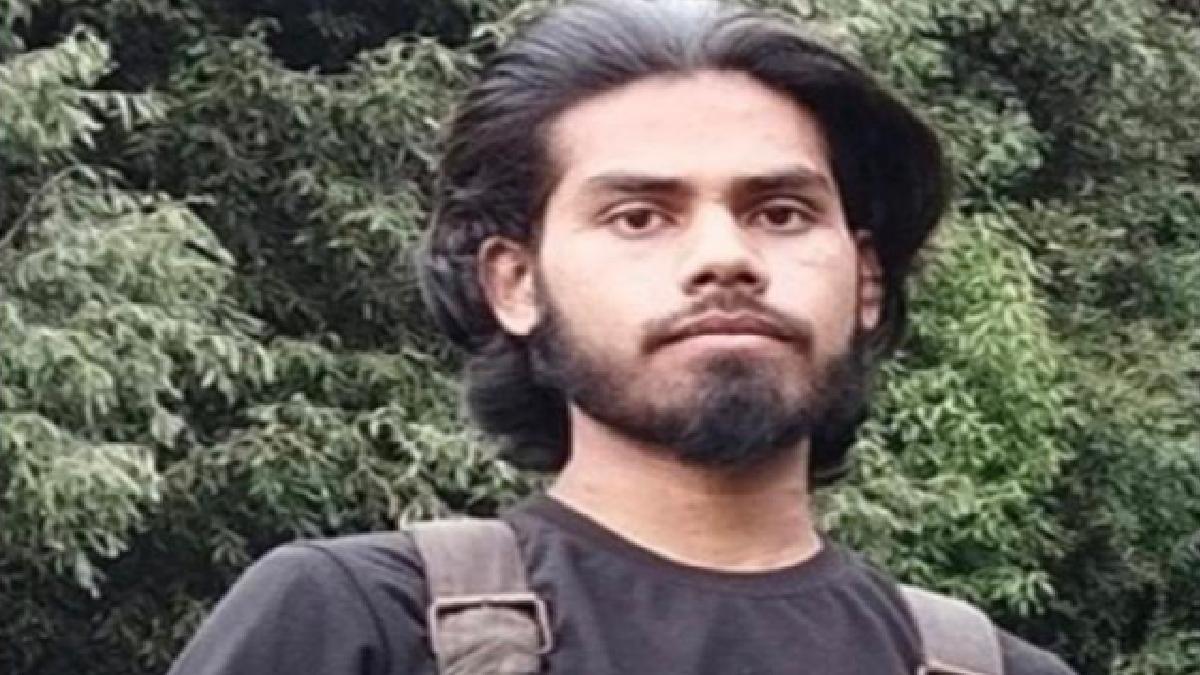
Khalid Ahmed Satary, an alleged healthcare fraud suspect behind one of the largest Medicare fraud schemes carried out in recent years, was captured and taken back to the United States last night by the FBI and several U.S. government agencies and international law enforcement partners.

According to FBI Director Kash Patel, Satary’s capture is another major success under the agency’s renewed campaign to track down high-profile fugitives accused of financial crimes. It was the FBI’s third “Most Wanted Fraudster” catch in less than five weeks, Patel said, and it is a sign of a greater determination by the FBI to locate and bring alleged white-collar criminals back to the United States to face justice.
Investigators said Satary was originally indicted in 2019 on Health Care Fraud Conspiracy charges. They say he was allegedly a central player in a larger scheme that bilked Medicare of $547 million in losses for expensive and medically unnecessary genetic tests from 2016 to 2019 by fraudulently billing Medicare for expensive and medically unnecessary genetic tests.
Investigators contend that the fraud was done with deceptive marketing methods to recruit Medicare patients who might not have had genuine medical need for the tests. The indictment claimed that patients were targeted through telemarketing campaigns and misleading advertisements. Illegal kickbacks and bribes were paid to get them to refer those patients and doctor's orders and to file fraudulent reimbursement claims to Medicare.
Federal prosecutors say the fraudulent billing generated hundreds of millions of dollars in improper payments from the federal healthcare program. The case has been called one of the largest genetic testing fraud conspiracies uncovered by U.S. authorities.
According to the indictment, Satary fled the U.S. and lived outside the country for a number of years, prompting law enforcement agencies to step up the search for him internationally. The specific nation where he was arrested, officials say, is not publicly known but is under ongoing legal proceedings and international cooperation agreements.
Patel hailed the cooperation of domestic police and international agencies and said Satary’s arrest proves that coordination in law enforcement is effective. People who have been accused of defrauding taxpayer-funded healthcare programs will still be investigated, no matter how long they remain fugitives or where they try to hide, he said.
Healthcare fraud remains one of the Department of Justice’s top enforcement priorities because fraudulent Medicare claims not only cause huge losses but can also erode patient trust in the healthcare system. That is because unnecessary medical testing schemes may put patients in pain or divert taxpayer money away from legitimate medical care, authorities say.
The Department of Justice and the FBI are especially focused on the complex healthcare fraud networks that involve laboratories, telemedicine providers, marketers, and medical professionals in illegal referral arrangements and fraudulent billing practices. These networks have to be dismantled in order to protect Medicare and public funds, officials say.
FBI Captures Fugitive Accused in Massive $547 Million Medicare Fraud Scheme
— Paul A. Szypula 🇺🇸 (@Bubblebathgirl) July 21, 2026
“The arrest of Khalid Ahmed Satary and return to the U.S. is the third Most Wanted Fraudster capture from this FBI and our partners in just five weeks — continuing the historic run of success for this… pic.twitter.com/uZmhCP6cbu
Satary’s return to the United States is the beginning of the next phase of the criminal justice process. He will soon go to federal court to face the charges listed in the indictment. Like all criminal cases, the allegations are accusations and the defendant is presumed innocent unless and until proven guilty in a court of law.
The FBI said more fugitives will be identified and captured in the financial and healthcare fraud investigations. Officials say Satary’s capture is a sign of the agency’s resolve to hold alleged fraudsters accountable and restore confidence in federal healthcare programs through aggressive enforcement and international cooperation.