South Korean entrepreneur Kim Byung-hoon is now one of the most successful business leaders in Asia after a bold career pivot that turned from dating and e-commerce applications into a multi-billion-dollar business. Kim also started Medicube, a skincare brand that has brought him over $3 billion, because he was interested in beauty.
Kim’s entrepreneurial journey demonstrates the need for adaptability in today’s rapidly changing business environment. He didn’t just keep to technology startups; he caught the consumer appetite for scientifically backed skincare products and moved into the very competitive K-beauty sector.
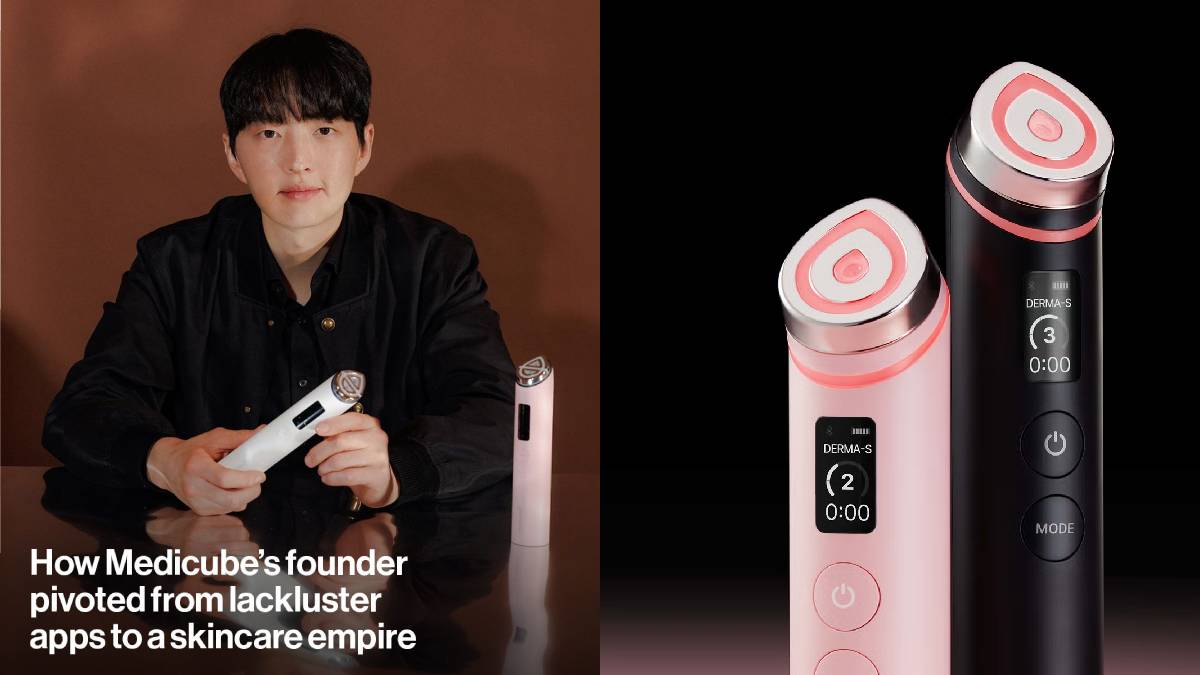
South Korean entrepreneur Kim Byung-hoon dabbled with making dating and e-commerce apps before switching to skincare and creating Medicube.
— Bloomberg (@business) July 17, 2026
Now, he’s worth more than $3 billion. Read more: https://t.co/oOjexpqE3G
📷️: Jessica Pons for Bloomberg Businessweek pic.twitter.com/49Ba32UMbp
Medicube was founded to combine dermatological research with innovative skincare solutions. The company quickly established itself with clinical, scientifically tested products targeted at common skin problems (acne, aging, pigmentation, skin hydration, etc.), and it was rapidly winning over customers.
As the popularity of skincare rose worldwide, Medicube capitalized on the increased popularity of Korean beauty products—often called K-beauty. International use of skincare has blossomed. The industry has enjoyed fantastic growth in the past decade due to innovative formulation, emerging skincare technology, and aggressive marketing techniques in digital marketing.
Medicube’s success has been driven by its direct-to-consumer approach and a very strong digital presence. Social media, influencer partnerships, online marketing campaigns, and e-commerce platforms were used by the company to reach customers in Asia, North America, Europe, and other international markets.
Medicube expanded beyond skincare products to include advanced beauty tools that are part of daily skincare routines. These home-use beauty technologies are winning over consumers wanting professional-like treatments without visiting clinics—further strengthening the company’s position in the premium skincare market.
Kim’s entrepreneurial background in app development and e-commerce provided valuable experience in digital customer acquisition, online retail operations, and technology-driven business growth. Medicube was able to scale quickly with that and also keep engagement with its growing global customer base high.
Medicube's success has also driven APR Corporation, the parent company behind several beauty, fashion, and lifestyle brands. The cash burn and increasing international demand have propelled its valuation and elevated Kim to the top of South Korea’s wealthiest entrepreneurs.
Industry analysts see Kim's journey as an example of how founders can successfully pivot into entirely new industries by spotting new market opportunities. His transition from software applications to consumer skincare shows that entrepreneurial success is typically much more about identifying unmet customer needs than staying tied to one sector.
The skincare industry is booming worldwide, with beauty consumers increasingly looking for health and prevention and personalized beauty products. Research on dermatological, artificial intelligence, smart beauty products, and online marketing is creating new opportunities for companies that have the capacity for product innovation (as well as a solid brand identity) to be innovative.
Kim Byung-hoon’s rise from a technology entrepreneur experimenting with mobile applications to the founder of a globally recognized skincare brand is a testament to the power of strategic reinvention. His story is an inspiration to entrepreneurs who want to take advantage of the opportunities that are available to them in the rapidly changing industries.
Kim, who is worth over $3 billion, is now one of the most influential people in South Korea’s thriving startup community, with Medicube still one of the most prominent names in the global K-beauty industry.