The Baglihar Hydroelectric Power Project Dam in Chanderkote, Ramban district of Jammu & Kashmir, conducted a scheduled silt flushing operation on Friday morning, and the dam's gates opened at around 9 AM to remove sediment from the reservoir.
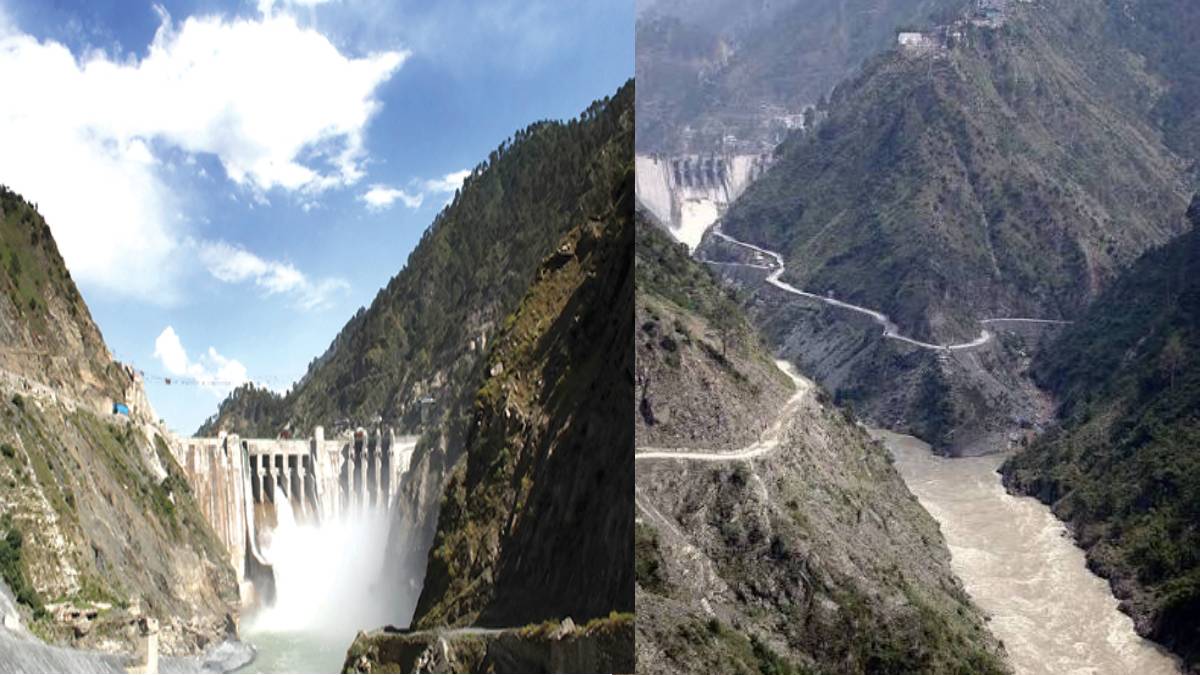
The operation is part of routine maintenance carried out at hydropower projects to ensure the long-term efficiency and safety of dam infrastructure. From the site, the water was released through the spillway gates as the controlled flushing process began.
Silt flushing is an essential engineering process in reservoirs on sediment-rich rivers such as the Chenab River, on which the Baglihar Dam is located. Over time, water flows, leaving behind sand, silt, and other sediments that settle at the bottom of the reservoir and decrease its storage capacity and thus the efficiency of hydroelectric power generation.
By releasing water through special gates to flush out accumulated sediments downstream, operators can then restore reservoir capacity and protect turbines and other key components from excessive wear.
The Baglihar Hydroelectric Power Project is one of Jammu & Kashmir’s most important power generation facilities, which is vital for the supply of electricity in northern India. The project has been developed in stages and plays a major role in the renewable energy production of the region.
The experts in hydropower say flushing operations are planned to minimize environmental effects and ensure operational safety. Such maintenance is critical in order to maintain efficient electricity generation and extend the life of large hydroelectric power plants.
The authorities usually coordinate these operations with relevant departments to monitor downstream water flow and inform the people living near the river of changes in discharge levels during the flushing period.
The Baglihar project has long been considered a key infrastructure asset for Jammu & Kashmir, which is used to ensure energy security for the region while tapping the hydropower potential of the Chenab basin. Regular maintenance work like silt flushing maintains the dam and helps to avoid any difficulties in maintaining it when heavy sediment inflow from monsoon rains and seasonal river flows occurs.
As India continues to expand its renewable energy capacity, efficient management of existing hydropower infrastructure remains a priority. Reservoir management, sediment collection, and periodic inspections are essential tasks for ensuring that hydroelectric plants continue to operate safely and efficiently for generations to come.
The scheduled flushing at Baglihar Dam is a reflection of project operators’ efforts to maintain optimal reservoir conditions and ensure that critical infrastructure is safeguarded while providing hydroelectric power generation for the region.